Innovative Process Turns Salty Whey Waste into Bioethanol Fuel
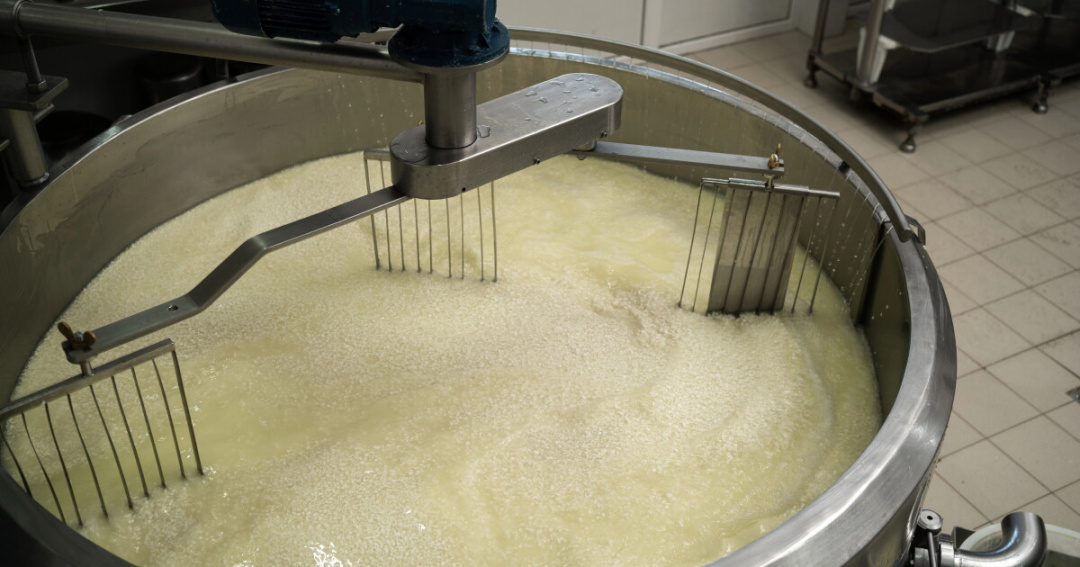
For centuries, humans have sourced fuel from various unconventional materials, and now researchers are looking at cow's milk by-products, specifically salty whey, as a potential biofuel source. Salty whey is a by-product generated during the cheese-making process, particularly with cheeses like cheddar, where salt is added to the curd. This results in whey that contains a salt concentration of about 4% to 10%, making it significantly more challenging to process compared to regular sweet whey, which is primarily composed of water, lactose, and proteins.
The high salt content of salty whey complicates its disposal and processing, as untreated discharge can deplete oxygen in aquatic ecosystems, while land application can adversely affect soil health and crops. In the UK alone, approximately 95,000 tonnes of salty whey are produced annually, creating a substantial waste management challenge for dairy producers.
In response to this issue, British biotech firm Take Root Bio, in collaboration with researchers from Heriot-Watt University's International Centre for Brewing and Distilling, has developed a biological process to convert the sugars found in salty whey into bioethanol. Bioethanol is a renewable fuel produced through the fermentation of sugars by microorganisms, and this new process aims to overcome the difficulties posed by the high salt content.
While the researchers have not disclosed specific technical details, such as the type of microorganisms used or the fermentation conditions, they report successful conversion of salty whey into bioethanol. This innovation could transform a waste product into a valuable resource, providing an economic incentive for dairy producers who currently face high costs associated with managing salty whey waste.
Kirk Siderman-Wolter, founder of Take Root Bio, emphasizes the importance of rethinking waste materials and exploring their potential value. The collaboration is also considering mobile production units to process salty whey closer to dairy farms, which could further enhance the economic viability of this approach by reducing transportation costs.
Moreover, the research team is exploring the possibility of applying similar bio-based techniques to other food and agricultural by-products, including those generated from fruit and vegetable processing. They are also investigating the gases produced during fermentation, which could potentially be captured and utilized in other food production processes.
This project not only addresses the pressing issue of dairy waste management but also contributes to the broader goal of developing sustainable energy solutions. If the process can be scaled economically, it could represent a significant advancement in the utilization of food industry by-products, promoting a circular economy in food production.