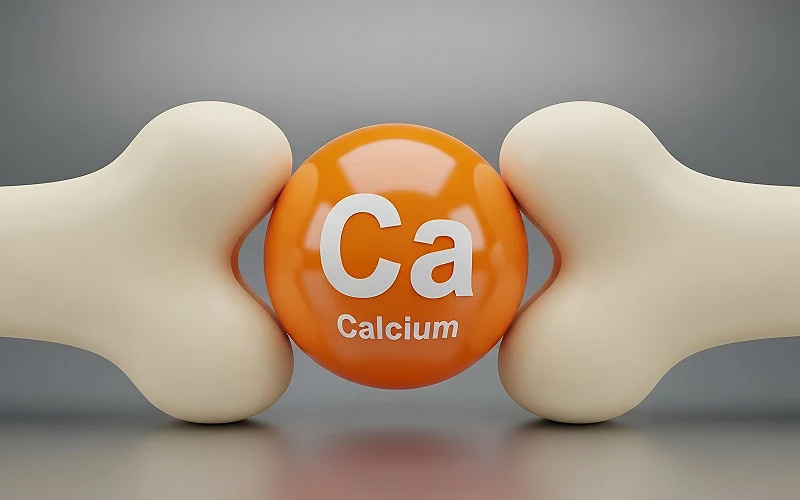
Five Calcium-Rich Vegetables for Bone Health
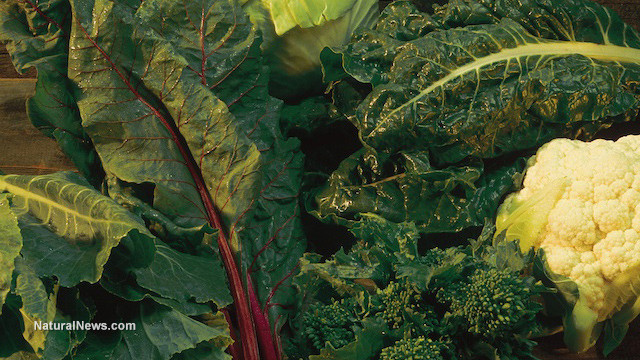
For many years, the prevailing belief has been that milk is the primary source for building strong bones. However, recent nutritional research has brought attention to the significant calcium content found in leafy green vegetables, which can play a vital role in meeting daily calcium requirements. This is particularly important as osteoporosis and bone density loss remain pressing public health issues, especially for women over 50 and men over 70, who require 1,200 milligrams of calcium daily according to federal guidelines.
As more Americans embrace plant-forward diets for various reasons, including ethical and health considerations, the findings of nutrition expert Heidi Cope, reviewed by registered dietitian Kayla Girgen, shed light on five vegetables that can rival dairy products in calcium density when consumed in adequate portions. This research underscores the need to recognize vegetables as significant sources of calcium.
Among these vegetables, collard greens stand out. A cup of cooked collard greens provides 249 milligrams of calcium, which is about 19% of the daily value for adults. This positions collard greens as a competitive alternative to dairy products for calcium intake. In addition to calcium, collard greens are rich in vitamin K, which works in tandem with calcium to support bone structure and reduce the risk of fractures. They can be enjoyed in various ways, including braised, sautéed, or added to soups, making them versatile for regular consumption.
Kale, often praised for its antioxidant properties, also contributes a meaningful amount of calcium. A cup of cooked kale contains 177 milligrams, or 13.6% of the daily value. Interestingly, raw kale offers slightly more calcium per serving, with four cups providing 16.6% of the daily value, making it an excellent choice for salads.
Turnip greens, the leafy tops of turnip roots, offer 197 milligrams of calcium per cooked cup, equating to 15% of the daily value. These greens belong to the same family as broccoli and cabbage but have a distinct bitter flavor that can be enhanced through cooking with fats or acidic ingredients like lemon juice or vinegar. They also provide fiber, folate, and vitamin A, adding to their nutritional profile.
It is essential to note that not all vegetables provide calcium equally. Some contain oxalates, which can bind with calcium in the digestive system and hinder absorption. While this binding can help prevent kidney stones, it reduces the amount of calcium available for bone health. Therefore, nutrition experts recommend focusing on low-oxalate vegetables for optimal calcium absorption. Both kale and turnip greens fall into this category, making them superior choices compared to higher-oxalate options like spinach or Swiss chard. Boiling vegetables can reduce oxalate levels significantly, although it may also leach some nutrients.
Broccoli rabe, also known as rapini, contains 185 milligrams of calcium per cooked cup (14.2% of the daily value) and has moderate oxalate levels. This Italian staple pairs well with olive oil, garlic, and chili flakes, providing a flavorful option for enhancing bone health.
While these vegetables can significantly contribute to calcium intake, it is crucial to also consider vitamin D, which is necessary for calcium absorption. Foods such as herring, trout, salmon, and fortified mushrooms are excellent sources of vitamin D that aid in processing calcium from greens.
In summary, incorporating a variety of these calcium-rich vegetables into your diet can support bone health while also providing fiber, antioxidants, and other essential micronutrients. For instance, a cup of cooked mustard greens offers 165 milligrams of calcium (12.7% of the daily value) along with a substantial amount of vitamin K.
The evidence strongly suggests that vegetables should be recognized alongside dairy products for their calcium contribution. Collard greens, kale, turnip greens, mustard greens, and broccoli rabe each provide between 12% to 19% of the daily value per cooked cup. For adults needing 1,000 to 1,200 milligrams of calcium daily, incorporating these greens into meals represents a practical and scientifically supported strategy for maintaining bone density. As dietary preferences evolve and the population ages, these findings provide reassurance that strong bones do not rely solely on dairy consumption; the journey to better bone health can indeed begin in the produce aisle.