Nutrient Availability Influences Salmonella Typhimurium Replication in Macrophages
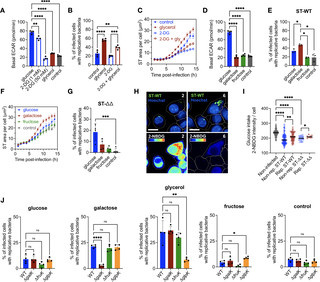
A recent study published in PLOS Pathogens investigates how nutrient availability influences the replication of Salmonella Typhimurium within macrophages, a type of immune cell that typically fights off infections. Traditionally, it was believed that Salmonella relied heavily on its Type III Secretion Systems (T3SS) to manipulate host cells for its replication. However, this study challenges that notion by demonstrating that the metabolic state of macrophages plays a crucial role in determining the bacteria's ability to replicate. Researchers used live-cell imaging techniques to monitor bacterial dynamics at the single-cell level in human primary macrophages. They found that not all infected macrophages supported Salmonella replication; however, when specific carbon sources, such as glycerol or galactose, were provided, the bacteria were able to replicate efficiently even in cells lacking functional T3SS. This indicates that the presence of optimal nutrients can compensate for the absence of these virulence factors. The study further revealed that macrophages with higher glycolytic activity showed enhanced bacterial replication, suggesting that the metabolic environment significantly impacts the outcome of the infection. The findings underscore the importance of host cell metabolism in shaping the dynamics of bacterial infections and highlight the need for further research to understand the implications of these interactions for public health. By revealing that Salmonella can bypass its canonical virulence systems under favorable nutrient conditions, this research opens new avenues for exploring therapeutic strategies against foodborne pathogens.














