Consumer Sentiment Shifts: The Rise of 'Slop' in Modern Dining
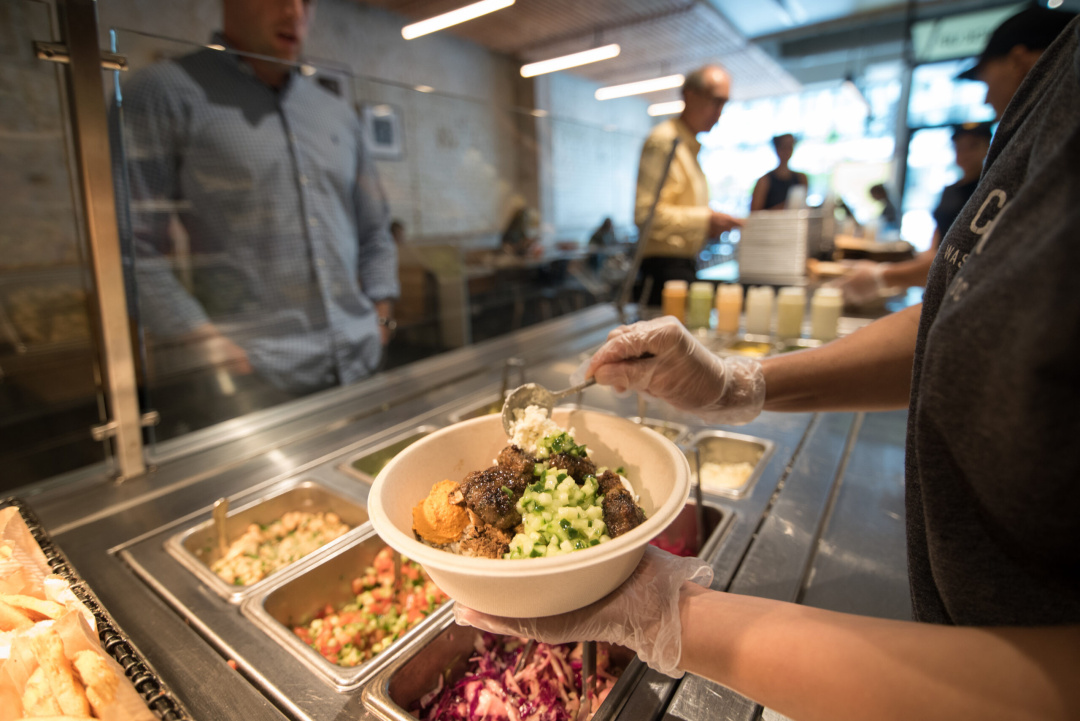
In a recent visit to a fast-casual restaurant in a suburban strip mall, the experience highlighted a growing sentiment among diners regarding modern restaurant food, often referred to as 'slop.' This term encapsulates various anxieties about the quality and authenticity of meals served in contemporary dining establishments. The restaurant, characterized by sleek design reminiscent of an Apple Store, featured self-order kiosks and a menu accessible only through a QR code, emphasizing a disconnect between the dining experience and the personal touch that many consumers crave.
The bowls served at this establishment were acceptable in taste but felt shockingly anonymous, reflecting a broader trend in the food industry. This phenomenon can be traced back to the rise of ghost kitchens during the pandemic, where established brands like Chuck E. Cheese created delivery-only concepts that blurred the lines of authenticity. Customers often felt misled when they discovered that their 'new' dining options were simply rebranded versions of familiar chains, prompting a wave of consumer detective work to uncover the true origins of their meals.
As diners navigate this new landscape, the term 'slop bowl' has emerged as shorthand for the fast-casual meals that prioritize convenience over individuality. These bowls, typically a mix of grains, greens, and proteins, are designed to be customizable and easy to prepare, yet they often lack the distinctiveness that many diners seek. The growing trend of 'hacking' these bowls—swapping sauces or doubling proteins—reflects a desire to extract more enjoyment from meals that are increasingly standardized.
Moreover, the introduction of AI-generated food imagery in restaurant marketing has further alienated consumers. Many diners express discomfort with the unrealistic representations of food, perceiving them as indicative of a lack of care in food preparation. This sentiment has led to a backlash against restaurants that rely on AI for promotional materials, with customers pledging to avoid businesses that do not showcase genuine effort in their marketing.
The financial implications of these trends are significant, as major chains like Cava, Chipotle, and Sweetgreen report declining interest from younger customers who are returning to grocery shopping in response to rising prices. This shift is not solely economic; it also reflects a deeper aesthetic rejection of food that feels devoid of human authorship. Diners are increasingly sensitive to the notion that a meal's quality is tied to the effort and care put into its creation.
The concept of 'PE slop,' referring to the influence of private equity on restaurant operations, highlights concerns about the potential degradation of food quality as financial interests prioritize cost-cutting over culinary integrity. The recent investment in Los Tacos No. 1 by a private-equity firm sparked fears among loyal customers about the future of the beloved taco shop, underscoring the anxiety surrounding corporate involvement in the food industry.
Ultimately, the growing discontent with 'slop' reflects a broader yearning for authenticity in dining experiences. Consumers are not merely seeking food that is convenient or visually appealing; they desire meals that convey a sense of care and intention. As the food landscape continues to evolve, the challenge for restaurants will be to balance efficiency with the personal touch that diners increasingly crave.