Study Links Turmeric Extract to Improved Memory in Older Adults with Alzheimer's
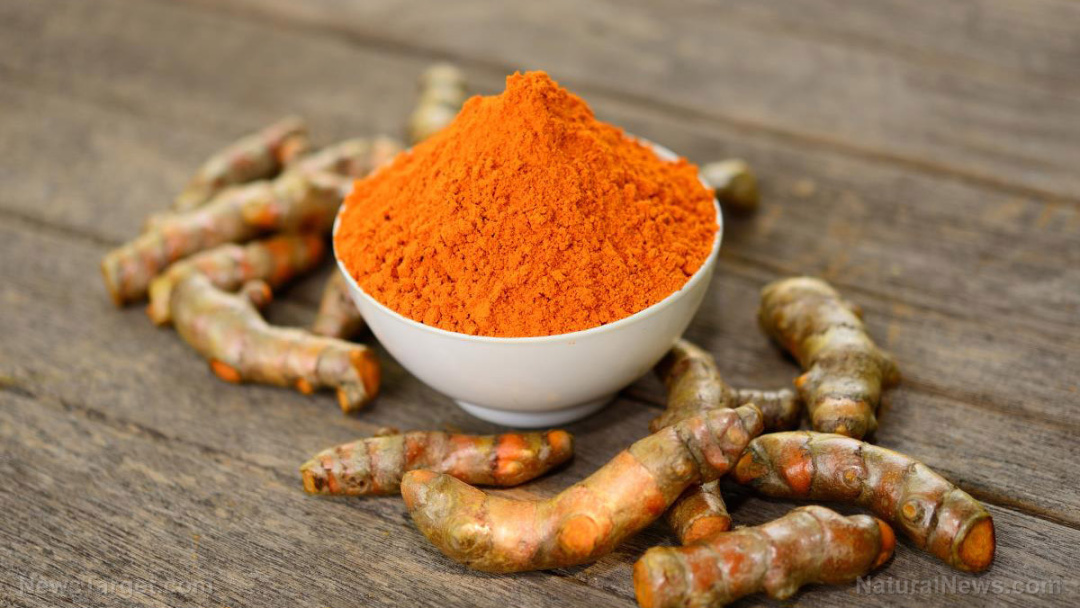
Turmeric, a spice known for its earthy flavor and vibrant color, has been the subject of recent research exploring its potential benefits beyond culinary uses. A study focused on a concentrated turmeric extract aimed to assess its impact on memory and attention in older adults diagnosed with mild cognitive impairment due to Alzheimer's disease. This research involved 13 participants who were awaiting a new treatment for Alzheimer's. Each participant consumed a daily turmeric extract containing compounds known as turmeronol A, turmeronol B, and bisacurone over a four-month period. Researchers evaluated their memory, attention, and cognitive skills at both the beginning and end of the study. Ultimately, only 10 individuals were included in the final analysis, as three participants either did not complete the study or were excluded for other reasons. The average age of the participants was approximately 75, with eight of the ten being women. After four months, there were notable improvements in tests measuring visual learning and working memory, which assesses the ability to retain and utilize information in real-time. Additionally, participants exhibited a lower estimated brain age, a score derived from their performance on a digital cognitive test compared to typical age-related scores. However, the findings regarding broader cognitive assessments were mixed. Participants demonstrated enhancements in attention and performed better on a memory task involving number sequences, yet their overall cognitive scores did not show significant changes. Measures related to processing speed and complex attention also remained largely unchanged, and blood markers associated with inflammation did not exhibit meaningful variations. These results contribute to the expanding research on turmeric and its components, which may have implications for brain health and recovery from exercise. Despite the intriguing nature of these findings, it is crucial to note that the study's small sample size and absence of a control group limit the ability to draw definitive conclusions. Researchers cannot dismiss the possibility that the observed improvements could stem from participants becoming more accustomed to the cognitive assessments. Therefore, further studies with larger, controlled groups are necessary to determine whether these cognitive enhancements are substantial and how they might differ based on various compounds and dosages. This study should not be interpreted as a reason to excessively incorporate turmeric into every meal. Instead, turmeric may serve as a supplementary tool alongside other established methods to promote cognitive health. Moreover, turmeric is well-supported by evidence for its anti-inflammatory properties and benefits in recovery.