Chronic Inflammation and Colon Stiffness Linked to Rising Early-Onset Colorectal Cancer
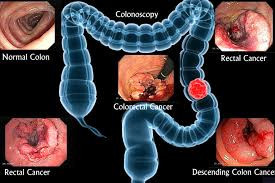
In a significant study conducted by scientists at UT Southwestern Medical Center and the University of Texas at Dallas, researchers have identified a crucial biological mechanism that may explain the alarming rise of colorectal cancer among young adults. This research indicates that chronic, low-grade inflammation in the colon may lead to tissue stiffness, creating conditions that favor cancer cell growth. This finding could transform our understanding of colorectal cancer, traditionally viewed as a disease primarily affecting older individuals.
Historically, colorectal cancer has been seen as a condition of aging, with cases in older adults declining while early-onset colorectal cancer—defined as cases in individuals under 50—has surged. Since 2020, this aggressive form of cancer has accounted for approximately 12 percent of all colorectal cancer cases in the United States. The American Cancer Society reported that in 2019, 20 percent of new colon cancer patients were under 55, nearly double the rate from 1995. These cases are often diagnosed late, presenting significant health challenges.
The study, published in the journal Advanced Science, goes beyond merely identifying risk factors by examining the biological changes in colon tissue. Researchers analyzed intestinal samples from 33 patients who had undergone tumor-removal surgery. They found that the colon tissues of younger patients exhibited significantly greater stiffness, not only in the tumors but also in the surrounding healthy tissue. This suggests that the stiffening process may occur prior to the full development of cancer, potentially laying the groundwork for tumor formation.
The stiffness of the colon is attributed to scarring caused by chronic inflammation, which leads to excessive collagen deposition—a protein integral to scar tissue formation. In samples from younger patients, this collagen was found to be denser and more tightly packed, resulting in a colon that is not only hardened but also inflexible and fragile.
This physical alteration of the colon influences cellular behavior. The research identified heightened activity in pathways related to mechanotransduction, where cells respond to physical forces in their environment. As colon tissue stiffens, it sends mechanical signals that cancer cells interpret as cues to proliferate. Laboratory experiments confirmed this, showing that colorectal cancer cells grown on artificially stiff surfaces multiplied more rapidly and grew larger, creating a feedback loop that exacerbates inflammation and tissue stiffness.
The study provides a potential explanation for the rising incidence of early-onset colorectal cancer, linking lifestyle factors such as diets high in ultra-processed foods, sedentary behavior, obesity, and antibiotic overuse to chronic inflammation. This research offers a direct mechanism by which inflammation remodels the colon's physical structure, fostering a pro-cancer environment.
The implications of this study are profound for screening and prevention strategies. Currently, there is no test to assess colon stiffness, and colonoscopies are typically recommended only after middle age. This research paves the way for developing new diagnostic tools that could detect tissue rigidity, enabling earlier intervention for high-risk individuals.
Furthermore, the findings suggest new treatment approaches. If stiffness contributes to cancer growth, therapies targeting mechanotransduction pathways could potentially slow or halt cancer progression. Managing inflammatory conditions and addressing lifestyle factors—such as quitting smoking, reducing alcohol consumption, improving sleep, maintaining a healthy weight, and adopting a high-fiber, minimally processed diet—are crucial. Young adults should also be vigilant about persistent symptoms like rectal bleeding, unexplained anemia, chronic abdominal pain, or changes in bowel habits, as these could indicate underlying inflammation that may precede cancer.
This study marks a significant advancement in understanding early-onset colorectal cancer, shifting the focus from merely observing trends to identifying potential biological causes. It highlights the importance of developing tools to assess changes in colon texture and therapies that could mitigate the risks associated with this rising disease.