Study Reveals Black Teatfish May Live Over 120 Years, Raising Conservation Concerns
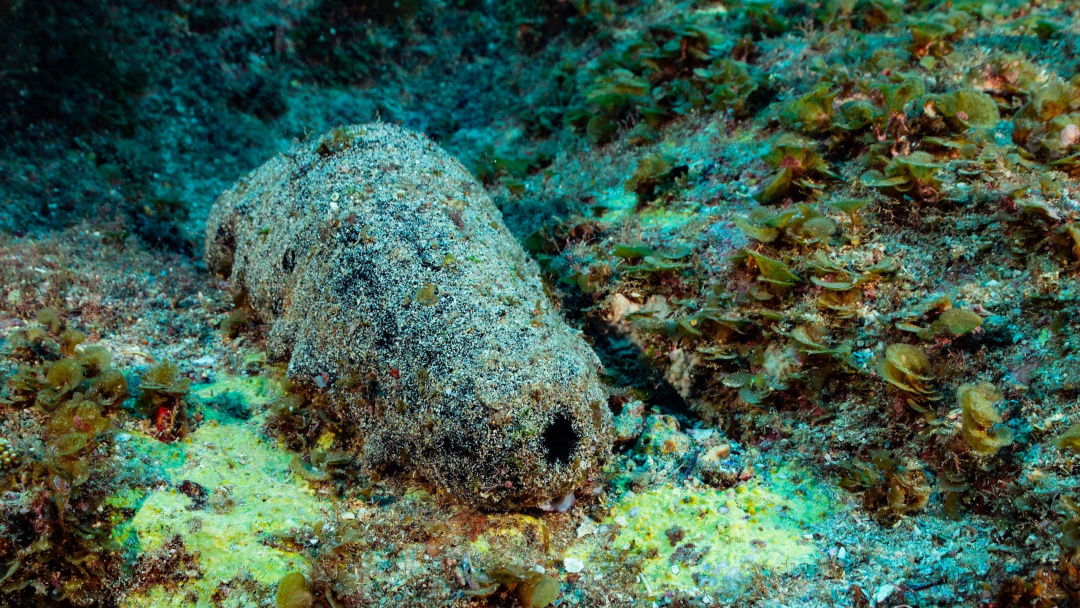
A recent study has revealed that the black teatfish, scientifically known as Holothuria (Microthele) whitmaei, may have a lifespan exceeding 120 years. This finding comes from a genetic study conducted over two decades by a team led by biologist Sven Uthicke from the Australian Institute of Marine Science. The black teatfish, which resembles feces and is highly sought after as a delicacy in various cultures, has been listed as endangered for over a decade. The study published in iScience marks the first time a sea cucumber species has been documented to surpass a century in lifespan.
The research began in 2000 when Uthicke and his colleagues sought to address declining populations of the black teatfish around Australia's Great Barrier Reef, which led to the closure of its fisheries. To track the population over time, the researchers faced challenges in tagging the sea cucumbers due to the ineffectiveness of physical markers. Instead, they employed DNA sampling as a unique identifier for individual sea cucumbers.
After 24 years, the researchers returned to one of the original sampling sites at Bird Islet on the Great Barrier Reef's Lizard Island. They found 53 black teatfish and were able to match 31 of them to samples collected in 2000, confirming that these individuals were at least 24 years old. Interestingly, the study found that these sea cucumbers had not grown; in fact, they had shrunk, with an average weight loss of 21 percent and a height reduction of 14 percent.
The survival rate of the black teatfish was calculated at 41 percent over the 24 years, leading to an estimated annual mortality rate of just 0.037, which is remarkably low for a sea cucumber. This low mortality rate suggests that the species could persist for over 120 years, although the researchers noted that their findings might underestimate the true longevity due to potential unobserved movements or losses of individuals.
The study also highlighted the absence of juvenile black teatfish, raising concerns about the slow replenishment of populations. This lack of younger individuals indicates that the species may not be reproducing quickly enough to sustain its numbers, particularly in the face of high demand from delicacy hunters.
The implications of this research extend beyond the survival of the black teatfish itself. These sea cucumbers play a vital role in coral reef ecosystems by recycling nutrients and maintaining ecological balance. The researchers emphasized the urgency of reassessing conservation and management strategies for holothuroid species, particularly in light of the pressures posed by climate change and overfishing. As coral reefs face increasing challenges, the removal of ecologically important species like the black teatfish could further jeopardize the health of these ecosystems.