Mulberry Compounds May Influence Gut Microbiota and Metabolism, Human Studies Needed
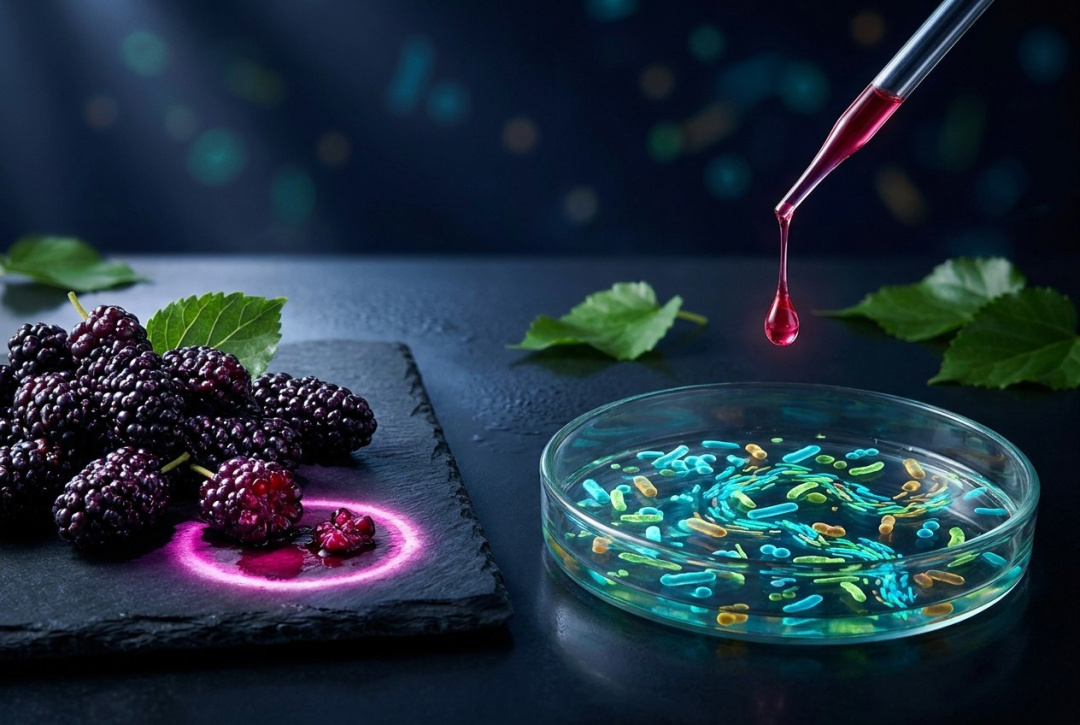
A review conducted by researchers at Wroclaw Medical University highlights the potential of compounds found in mulberry to influence gut microbiota and, consequently, metabolism. Published in the journal Biomolecules, the review underscores the promising nature of these findings while noting the critical gap in human data. Prof. Anna Prescha, a key contributor to the study, stated that while the experimental models show intriguing results, they do not confirm that similar effects occur in humans. To establish a clearer understanding, the researchers advocate for clinical trials utilizing standardized mulberry preparations to assess their impact on human gut microbiota and measurable health outcomes.
The review contributes to a growing body of research focused on polyphenols and their role in gut health. Polyphenols are plant-based compounds known for their antioxidant properties, with over 8,000 identified in various foods, including tea, wine, chocolate, fruits, and vegetables. Mulberry is recognized within this category, and the review specifically examines how its compounds interact with gut microorganisms.
Research has predominantly focused on white mulberry (Morus alba), while black mulberry (Morus nigra), particularly its fruit, has also shown significant results. The leaves of mulberry contain 1-deoxynojirimycin (DNJ), which is associated with carbohydrate metabolism, alongside polyphenols and polysaccharides. The fruit of black mulberry is rich in anthocyanins and other phenolic compounds, which are believed to contribute to its health benefits.
Nutritional analysis reveals that dried black mulberries contain approximately 12% protein, 3% fat, 14% fiber, and 70% carbohydrates, making them higher in protein than many other berries. They also provide essential vitamins and minerals, including vitamins A, B complex, C, E, and K, as well as iron, potassium, and magnesium. Additionally, resveratrol, a compound found in red grape skins and cocoa, is present in mulberry skin.
The review discusses how processing methods, such as drying, fermentation, and extraction, can significantly alter the composition of bioactive compounds in mulberry. Consequently, different preparations derived from the same plant material may exhibit varying biological effects.
Findings suggest that both mulberry leaves and fruit can modify the composition and activity of gut microbiota. Some studies have indicated shifts in beneficial bacteria and an increase in the production of short-chain fatty acids, which are crucial for maintaining normal intestinal function. However, the results varied across different preparations, with black mulberry fruit polysaccharides showing the strongest prebiotic potential when extracted with specific methods.
The review aligns with broader research on prebiotics from various sources, emphasizing the importance of dietary polyphenols in supporting metabolic health. Despite the promising results observed in animal models, the review concludes that no human studies have directly investigated the effects of mulberry preparations on gut microbiota. The researchers highlight the need for future studies to use well-characterized and standardized mulberry preparations to determine their effects on human health.
The findings from this review not only contribute to the understanding of how dietary polyphenols may support metabolic health but also underscore the necessity of further research to validate these effects in humans. Prof. Prescha emphasizes that the complexity of the mulberry preparations, including the specific combinations of compounds and their interactions, will be critical in determining their biological effects.