Top Plant-Based Proteins to Support Women During Menopause
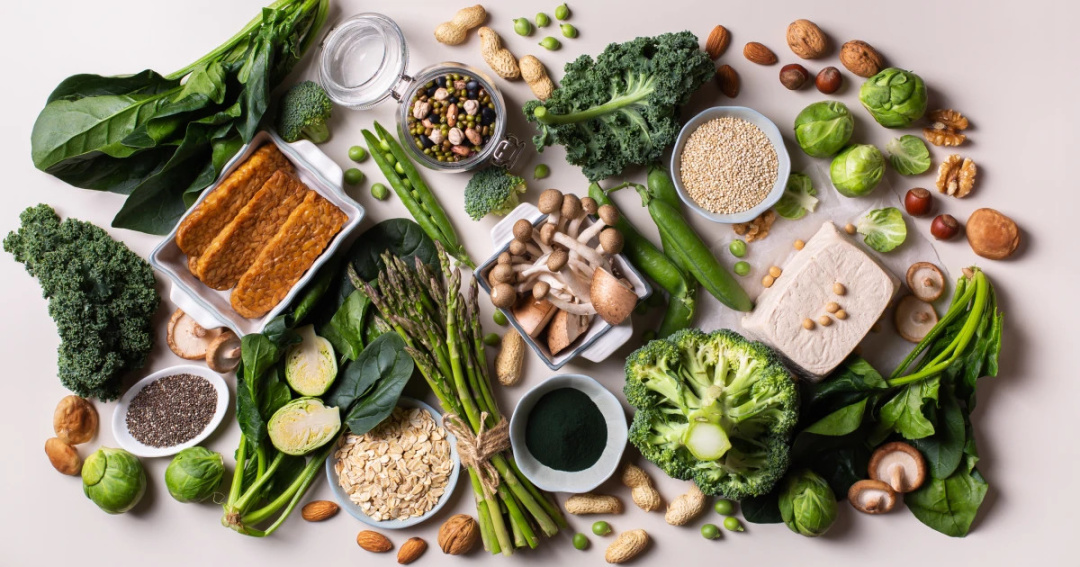
As women navigate the changes of menopause, their nutritional needs shift significantly. This period often brings increased focus on dietary choices, particularly the inclusion of plant-based proteins, which offer unique benefits during this transitional phase. Registered dietitian Natalie Rizzo emphasizes the importance of these proteins, noting that they are rich in essential nutrients that can help mitigate some menopause-related health risks.
Tofu stands out as a prime plant-based protein source for women experiencing menopause. Each serving contains approximately 10 grams of protein and is fortified with calcium, which is crucial for maintaining bone health. Rizzo points out that for those who may not consume much dairy, tofu can serve as an excellent alternative to boost calcium intake. Additionally, tofu is derived from soy, which contains phytoestrogens that may help alleviate hot flashes associated with declining estrogen levels during menopause.
Beans also play a significant role in a menopause-friendly diet. They are not only packed with plant-based protein but also rich in fiber, which supports gut and heart health while promoting satiety. Rizzo particularly recommends white beans, such as navy and cannellini beans, for their high calcium content, which further supports bone health. Incorporating these beans into meals can be easy and delicious, whether in a salad, soup, or alongside crusty bread.
Chia seeds are another excellent addition, offering both protein and fiber—10 grams of fiber per serving, to be exact. They are also a good source of magnesium, which contributes to heart and bone health. Chia seeds can be enjoyed in various ways, including in chia seed pudding or as an addition to overnight oats, making them a versatile ingredient for breakfast or snacks.
Almonds are highlighted by Rizzo for their impressive protein and fiber content, along with their calcium levels. They are also rich in vitamin E, known for its antioxidant and anti-inflammatory properties, which can benefit skin health. Almonds can be easily incorporated into the diet as a snack or paired with yogurt for a nutritious breakfast option that helps stabilize blood sugar levels.
Incorporating these plant-based proteins into the diet can provide essential support for women during menopause, helping to address specific health needs while also promoting overall well-being. By focusing on these nutrient-dense foods, women can better manage the changes that come with this life stage.