Exploring the Sensory and Psychological Benefits of Rain
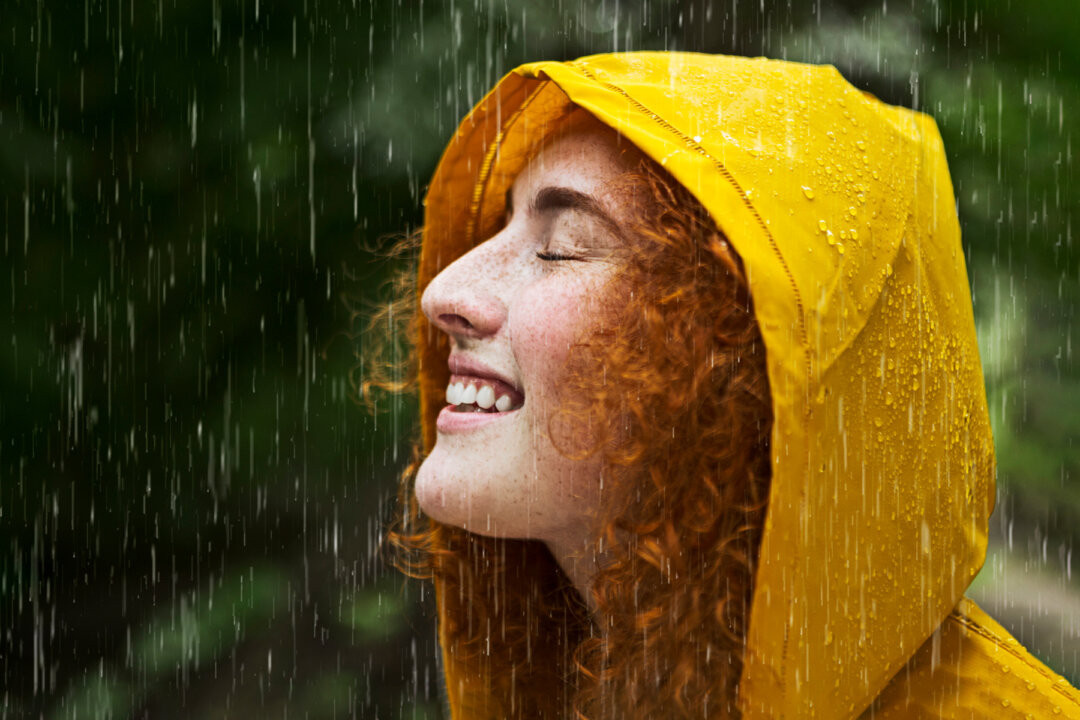
Rain is often perceived differently by individuals; for some, it interrupts daily activities, while for others, it offers a multisensory experience that fosters a sense of calm. The sound of rain, combined with the cooling air and the earthy scent, creates a unique atmosphere that can shift our internal state. Trevor Harley, an emeritus professor of psychology at the University of Dundee, emphasizes that nature profoundly affects us, with rain being a significant element of this experience.
The gentle, continuous sound of rainfall resembles what is known as "pink noise," which consists of a steady mix of high and low frequencies. This sound can mask distracting background noises, allowing listeners to relax without needing to consciously focus on the sound itself. Harley notes that this explains the popularity of rain recordings as ambient sounds for sleep and relaxation.
In addition to its auditory effects, rain also has a distinctive smell. The scent of wet earth often triggers nostalgic memories of childhood and nature, contributing to an uplifted mood for many people. The impact of rain extends beyond mere sensory experiences; it also alters the chemistry of the air. When raindrops hit the ground, they create tiny mist-like particles that carry negatively charged electrons. These particles interact with gases in the atmosphere, such as oxygen and carbon dioxide, forming what are known as negative ions. Niek Buurma, a physical chemist at Cardiff University, explains that this phenomenon, known as the Lenard effect, is why the air near waterfalls or after a rain shower feels refreshing to breathe.
The restorative effects of rain may also stem from its ability to provide a mental break. Psychologists refer to this as "soft fascination," which is the effortless attention we give to natural phenomena like clouds or falling rain. This gentle engagement allows us to disconnect from our busy thoughts and experience a sense of awe. Such feelings have been linked to improved well-being, humility, and a stronger connection to others and the natural world. Harley points out that observing the beauty of rain can remind us of our place within a larger context.
Cultural perspectives on rain have historically viewed it as a source of renewal and connection, contrasting with modern tendencies to favor sunny weather and view rain as an inconvenience. Harley suggests that emotional well-being may benefit from embracing all types of weather, recognizing that each can invite different mental states. He cautions that rain is not universally therapeutic; its effects can vary based on individual personality, cultural background, and personal experiences.
For many, just a few moments of focused attention during rainfall can make a difference. Harley recommends practicing "rain mindfulness" by paying attention to the soft rhythm of rain against surfaces, observing reflections in puddles, and allowing oneself to be present in the moment. Ultimately, while rain may not serve as a medical remedy, its value lies in its ability to transform our sensory environment, encouraging us to pause and step away from our daily routines. By integrating weather into our experiences rather than viewing it as an obstacle, we can enhance our emotional well-being and appreciation for the natural world around us.