Global Crop Prices Surge Amid Geopolitical Tensions and Supply Chain Disruptions
Global crop prices recorded their largest quarterly increase since Russia invaded Ukraine in early 2022, according to data published by the Bloomberg Agriculture Spot Index. The index rose 13% during the third quarter, marking the biggest quarterly advance since the conflict began. This increase indicates a broad-based acceleration in agricultural commodity prices, following multiple warnings from Wall Street analysts regarding the mounting risks to global food supplies.
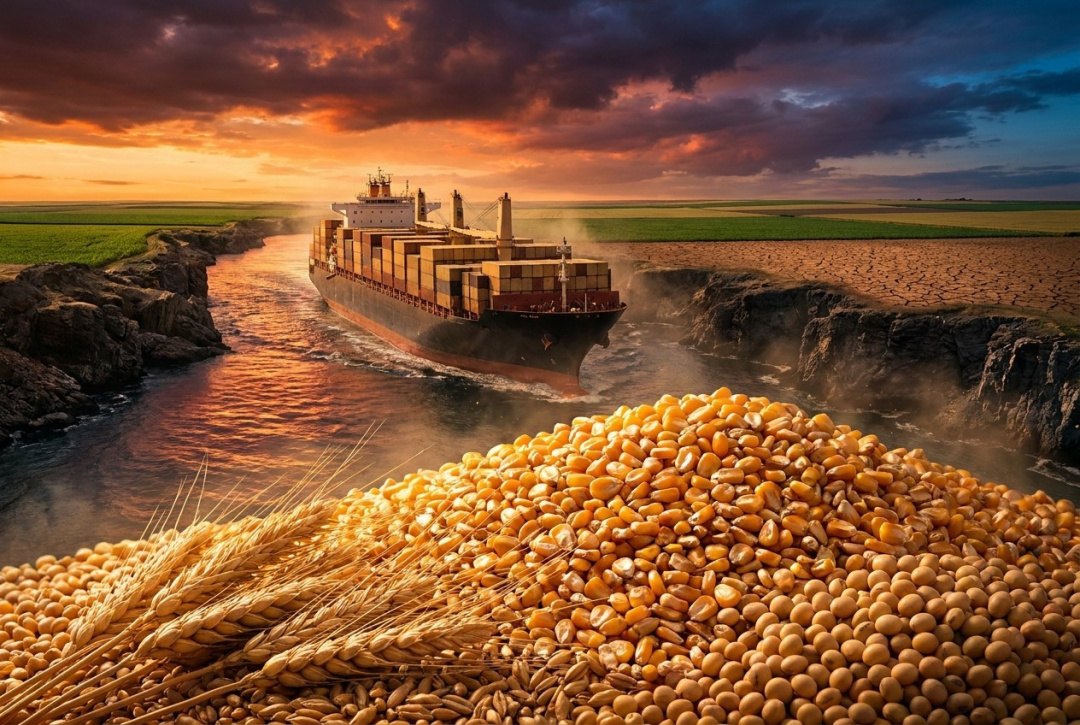
The disruptions to grain shipments from the Black Sea region, primarily due to the Russia-Ukraine conflict, have been cited as a significant factor behind the price jump. The war has severely reduced wheat exports from Ukraine and disrupted the flow of agricultural commodities from one of the world's most productive growing regions. Additionally, a separate crisis in the Strait of Hormuz has compounded supply concerns, as tensions involving Iran have brought traffic in this crucial waterway, which is vital for global fertilizer trade, to a standstill. American farmers have expressed concerns that the closure could trigger a cascading crisis in agriculture and food supply.
The refined-products crisis is also driving up diesel costs for food production and transportation. Soaring input costs, including diesel fuel for tractors and machinery and natural gas as a key fertilizer feedstock, suggest that global food prices may be poised for another sharp increase, reminiscent of the food price spike seen in 2022. Diesel prices have reached record highs in some areas, causing significant strain on logistics operations.
Moreover, a strengthening El Niño is projected to rank among the strongest on record, putting major growing regions at risk. Climate researcher Zeke Hausfather indicated that September is likely to have the highest monthly anomalies on record, potentially making it the largest El Niño in 1,000 years. Harvest yields have already plunged in some regions, with India experiencing its weakest monsoon season in a decade, further exacerbating concerns about harvests and food prices.
The United Nations' Food and Agriculture Organization (FAO) reported that world food prices rose in August to their highest levels since late 2022, driven by extreme heat and drought in Europe, the threat of a severe El Niño, and trade upheaval caused by the ongoing conflicts in Ukraine and Iran. Surging diesel and crop prices threaten to make inflationary pressures more persistent, presenting a challenging environment for central banks already grappling with a deepening global bond rout. Higher crop prices are expected to translate into increased grocery bills in the coming year.
Analysts from Wall Street have issued increasingly urgent warnings about the food crisis, with JPMorgan indicating that the next global food crisis is unlikely to be short-lived. They pointed to tightening grain supplies, the impacts of El Niño, and disruptions at maritime chokepoints as contributing factors to a potential supply squeeze. The FAO has warned that without intervention, elevated fertilizer prices could lead to a 40% decrease in global grain production in the next planting season.
The average price of food in the United States increased by 3.1% in the 12 months ending February, up from 2.9% in January. The globalization of food production has raised concerns about the concentration of supply chains and the vulnerability of just-in-time inventory systems to geopolitical shocks. There is currently no consensus on the duration or magnitude of the price increases, with overlapping factors such as Black Sea disruptions, the Strait of Hormuz crisis, and El Niño risks contributing to the current situation. Some analysts predict a food crisis next year, while others note continued uncertainty in the market.