Pacific Countries Strengthen One Health Approach to Combat Health and Climate Threats
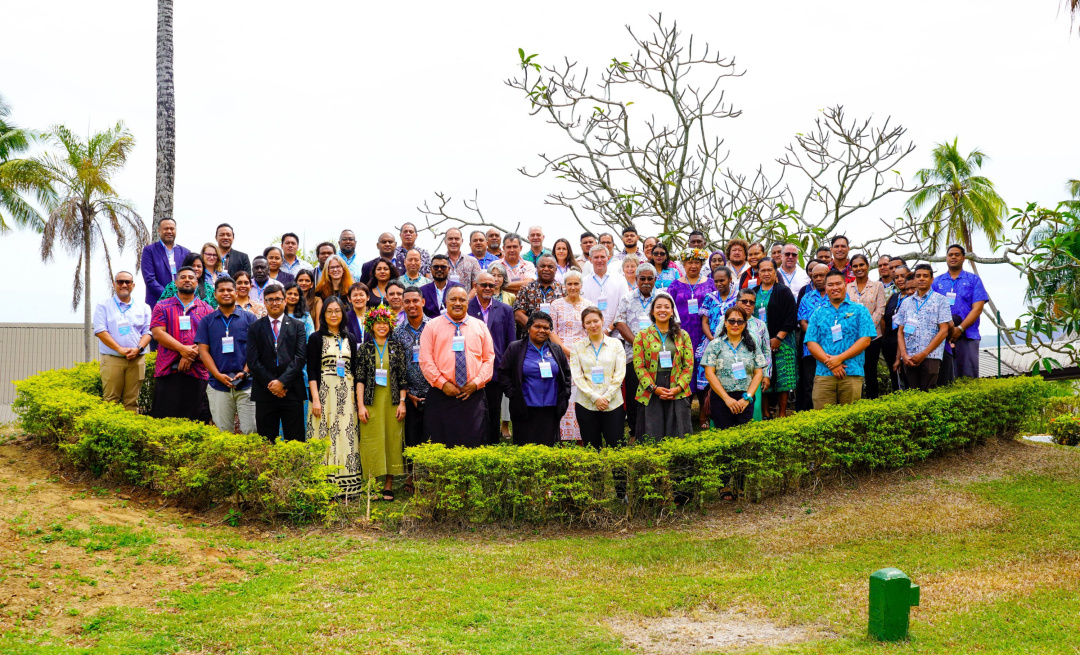
At the second Quadripartite Pacific One Health Workshop held in Nadi, Fiji, participants from various Pacific countries gathered to strengthen their collective response to a range of interconnected health threats. This workshop focused on the One Health approach, which recognizes the links between human, animal, and environmental health. As health crises become increasingly complex, the need for an integrated strategy is more urgent than ever. The workshop provided a platform for government representatives, regional partners, and international organizations to review progress since the first workshop in 2024, share experiences, and identify practical actions to enhance One Health implementation across the Pacific region.
One Health is particularly significant for the Pacific, where fragile ecosystems and heavy reliance on natural resources heighten health vulnerabilities. The region faces numerous challenges, including zoonotic and vector-borne diseases such as dengue and leptospirosis, which are exacerbated by environmental changes and shifting weather patterns. The ongoing El Niño phenomenon is further intensifying these risks, leading to increased incidences of diarrheal diseases and malnutrition.
During the workshop, participants emphasized the importance of a coordinated action plan to improve collaboration at national, regional, and global levels. Discussions included the development of strategies, action plans, and partnerships, as well as identifying gaps and opportunities for future collaboration. The need for a whole-of-society approach was highlighted, involving various stakeholders such as Indigenous Peoples, local communities, academia, and civil society.
The workshop also reviewed achievements related to One Health since 2024, addressing key regional issues such as health security, climate change, and zoonotic diseases. Participants exchanged knowledge and developed recommendations to enhance multisectoral coordination and preparedness across the Pacific. The outcomes of this workshop are expected to contribute to stronger regional and national coordination, increased awareness, and continued investment in integrated health, food security, and environmental sustainability initiatives.
Supported by funding from various international partners, including the Pandemic Fund and the Australian Department of Foreign Affairs and Trade, the workshop was organized by the Food and Agriculture Organization (FAO), the United Nations Environment Programme (UNEP), the World Health Organization (WHO), and the World Organisation for Animal Health (WOAH). This collaborative effort aims to operationalize the One Health approach, which was endorsed by global governments in 2026 as a crucial strategy for enhancing health security and resilience against future health threats.