Nutritional Insights on Egg Salad: Calories, Protein, and Healthy Swaps
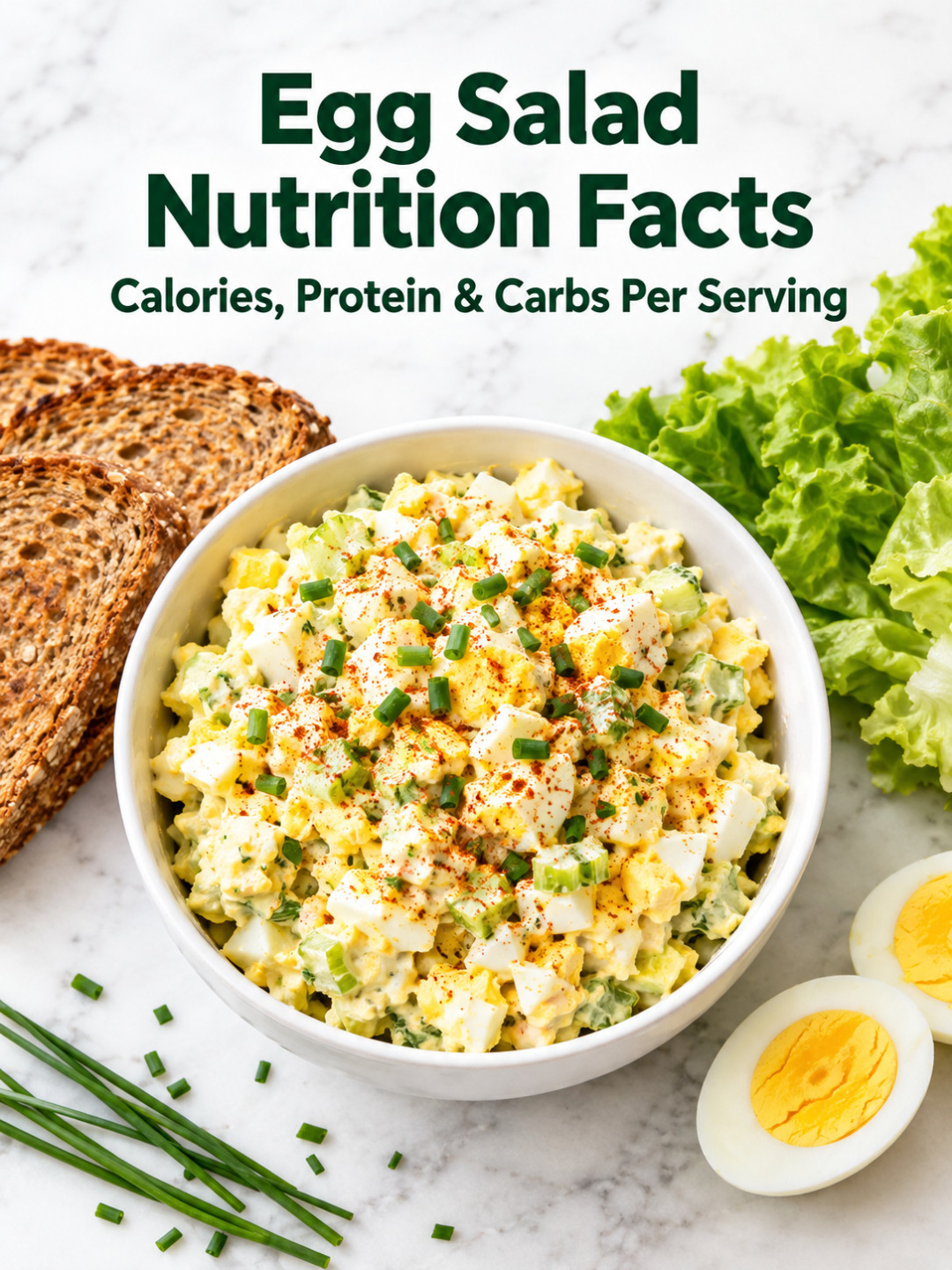
Egg salad's nutritional content is primarily influenced by the mayonnaise used in its preparation. A classic homemade egg salad typically contains around 200 calories, 8 grams of protein, 17 grams of fat, and just 1 gram of carbohydrates per half-cup serving. In contrast, store-bought variations can range from 210 to 290 calories. For those seeking a lighter option, a version made with Greek yogurt can reduce the calorie count to approximately 125 per half-cup serving.
The nutritional breakdown of a classic homemade egg salad is based on a recipe that includes four large hard-boiled eggs, three tablespoons of regular mayonnaise, one teaspoon of mustard, and a quarter cup of celery, yielding about one and a half cups or three servings of half a cup each. It's important to note that these values are estimates and can vary based on the specific brands and amounts of ingredients used.
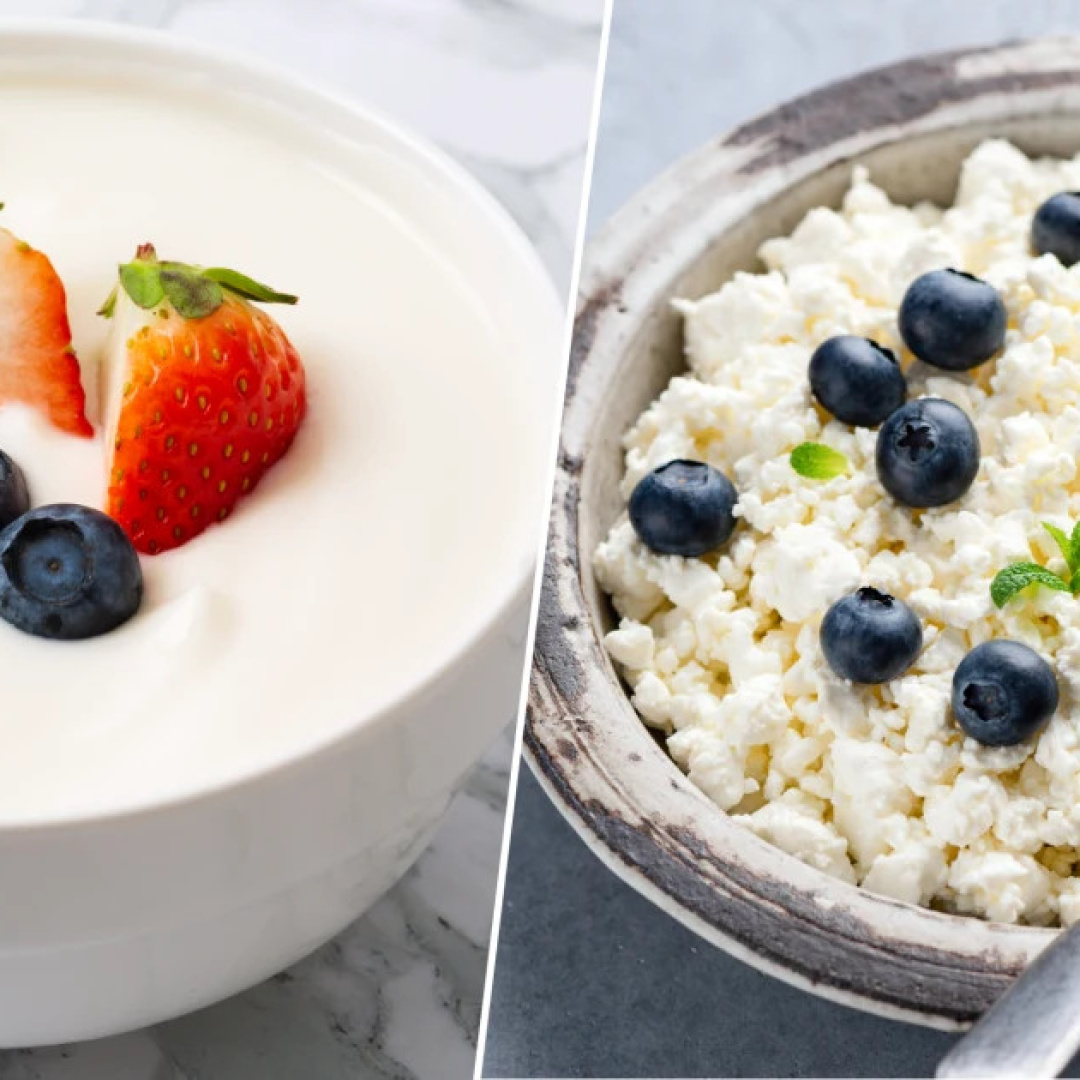
The type of dressing significantly impacts the overall nutritional profile. For instance, substituting all the mayonnaise with Greek yogurt can lower the calorie content by about 75 calories per serving while increasing protein by approximately 4 grams. When comparing grocery store labels, the calorie content can vary widely, with sodium levels ranging from about 200 to over 500 mg per half-cup serving, depending on the brand and recipe.
In a typical homemade egg salad, the eggs contribute roughly 312 calories, while the mayonnaise adds about 282 calories, leading to a total of around 600 calories for the entire batch. This means that each half-cup serving contains about 200 calories, with nearly half of those calories coming from the mayonnaise.
Egg salad is a good source of several nutrients, including choline, vitamin B12, riboflavin, and selenium, while also providing small amounts of vitamin D, iron, and calcium. However, it has minimal fiber and vitamin C, so pairing it with vegetables or whole grain bread can enhance its nutritional value.
Each half-cup serving contains approximately 250 mg of cholesterol, as each large egg has about 186 mg. While dietary guidelines have shifted away from strict cholesterol limits for most healthy individuals, those advised by their doctors to monitor cholesterol intake should consult with them before making egg salad a regular part of their diet.
Sodium content in homemade egg salad is about 330 to 440 mg per half-cup, while store-bought versions can range from 120 to 590 mg. Most sodium comes from added salt and mayonnaise, making homemade versions a better option for those looking to control their sodium intake.
When considering egg salad as part of a meal, it's essential to remember that the bread and any additional ingredients can significantly affect the overall nutritional profile. A classic sandwich made with two slices of bread can add around 25 to 30 grams of carbohydrates, primarily from the bread itself. For a lower-carb option, using a lettuce wrap or a single slice of bread can reduce the carbohydrate content.
For those looking to experiment with flavors, swapping mayonnaise for avocado creates a creamy egg salad with a different nutritional profile. This version, made with four eggs and one medium avocado, contains about 185 calories, 14 grams of fat, 9 grams of protein, 4 grams of carbohydrates, and 3 grams of fiber per half-cup serving, with the fat primarily being unsaturated.
Egg salad can be a fitting choice within a weight-loss plan due to its high protein content, which helps maintain satiety. However, portion control is crucial, as a full cup can amount to 400 calories before adding bread. To estimate the calorie content of your specific egg salad recipe, consider using a calorie calculator to account for your ingredients accurately.
In summary, egg salad nutrition facts hinge largely on the choice of binding ingredient, with regular mayonnaise yielding about 200 calories and 17 grams of fat per half-cup, while a Greek yogurt alternative offers a lighter option with fewer calories and increased protein. By measuring portions and incorporating crunchy vegetables, egg salad can serve as a high-protein, low-carb meal that aligns with various dietary preferences.