Kenya's Water Access Conflict Resolved Temporarily Through Community Efforts
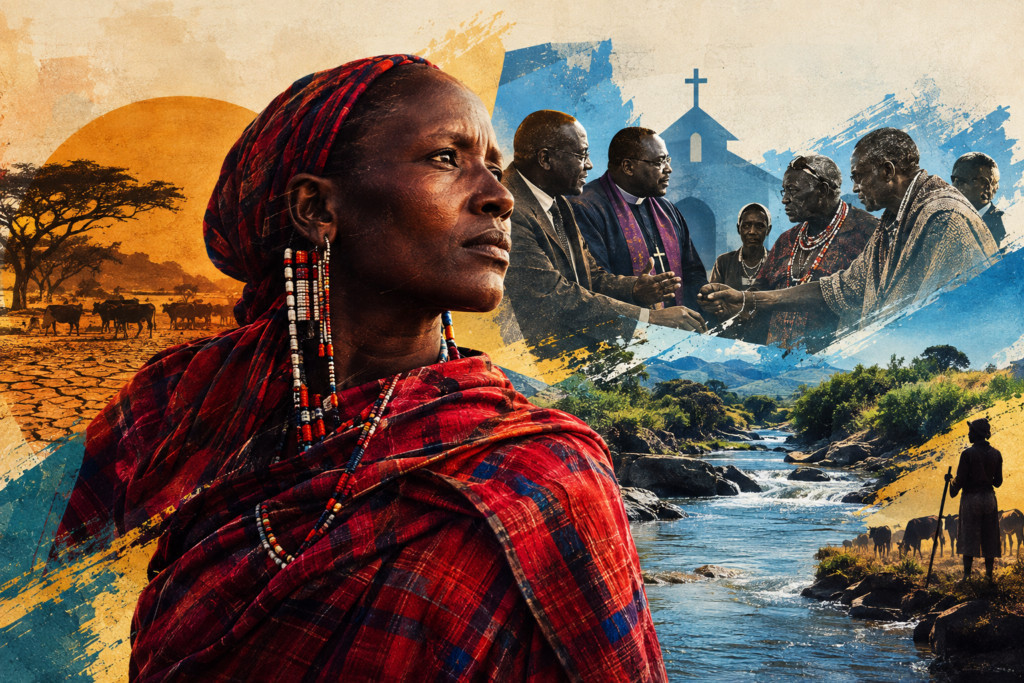
In Loitoktok, Kenya, Naila Nashipae, 42, begins her day with a two-kilometer trek to the Noolturesh River, hoping to find water flowing for her Maasai pastoralist community. Recently, after five weeks of negotiations led by community elders known as Engiguana and Leisutwak, a temporary water-sharing schedule has been established, allowing the river to flow every night and on weekends. This change comes after a period where the river ran dry, forcing Nashipae and others to walk long distances to fetch water, often encountering conflicts with upstream farmers over water access. The situation has been exacerbated by climate change, with erratic rainfall and prolonged droughts affecting water availability.
Historically, fetching water has been a task primarily undertaken by women and girls in these communities, leading to physical strain and chronic health issues. The burden of water collection has profound implications for their daily lives and childhood experiences. As reported, about 411 million people in Africa lack access to basic drinking water services, and the situation is worsening with a projected increase in water demand by 283% by 2030.
In response to the escalating tensions, local communities turned to faith leaders for mediation. A three-day Journey of Water campaign organized by WWF-Kenya and local officials highlighted the illegal water abstractions and the human cost of water insecurity. The church served as a neutral venue for discussions, demonstrating the trust communities place in religious institutions when state intervention fails.
The community's agreement to regulate water abstraction and protect riverbanks marks a significant step forward. However, challenges persist, including the need for more water and the ongoing surveillance of diversion points by armed guards hired by commercial farmers. Despite these hurdles, the community remains hopeful for a sustainable resolution.
Faith-based organizations are also implementing practical solutions, such as drilling boreholes and providing land for irrigation, aiming to alleviate immediate water needs while promoting agricultural skills among the Maasai women. These initiatives seek to reduce reliance on unpredictable rainfall and enhance economic resilience.
As Nashipae reflects on the changes, she dreams of a future where young girls can live without the burden of water collection and have access to clean water at home. Yet, the upcoming dry season will test the durability of the water-sharing agreement and the community's ability to navigate the ongoing challenges posed by climate change and resource competition. The Noolturesh conflict serves as a microcosm of a larger crisis affecting millions across Africa, where climate change and resource scarcity threaten to escalate tensions and conflict.