Study Finds Caffeine Boosts Exercise Performance and Reduces Perceived Exertion
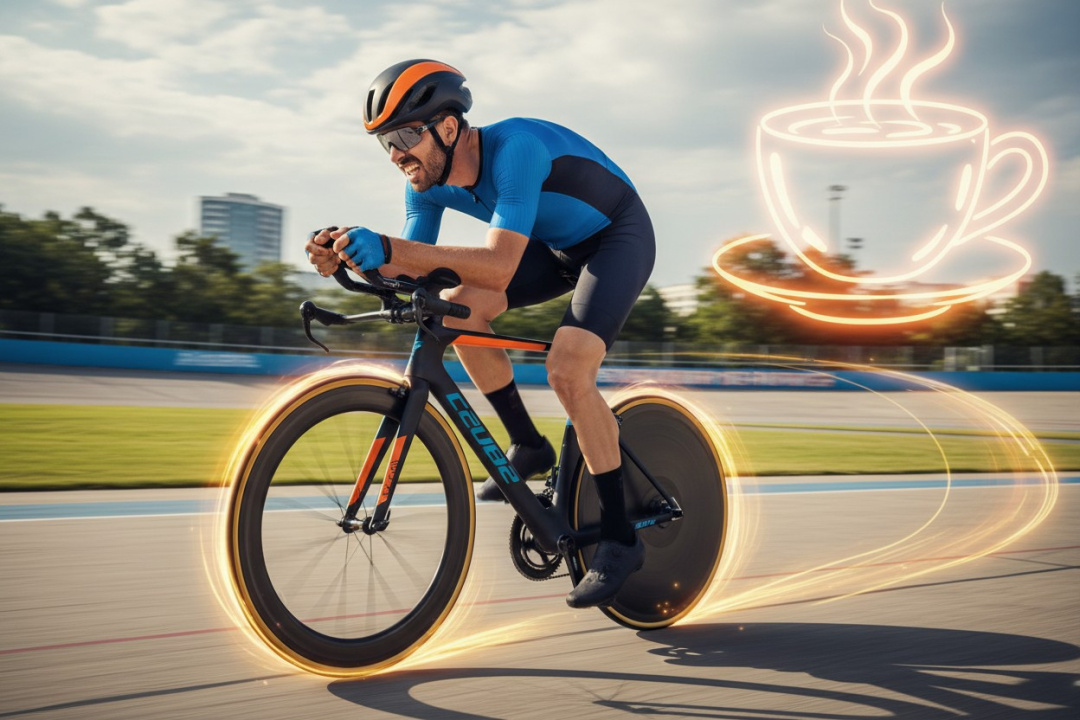
Recent research has shown that a single dose of caffeine can significantly enhance exercise performance, specifically in terms of sprint power and perceived exertion, for up to 3.5 hours. This study, reported by mindbodygreen, adds to the extensive body of evidence supporting caffeine as a performance aid in sports nutrition. While previous studies have established that caffeine can improve certain types of exercise performance, the duration of its effects has been less understood. The current study aimed to clarify how long these effects last after consumption.
In this study, participants, consisting of 12 healthy young adults, were administered either caffeine or a placebo about one hour before engaging in exercise, without their knowledge of which they received. Each exercise session was structured to include three rounds of moderate cycling followed by several short, all-out sprints, spread across a total of 3.5 hours. This double-blind, placebo-controlled design allowed researchers to effectively compare performance within the same individuals under different conditions.
Findings revealed that caffeine improved sprint performance across all three rounds of exercise. Participants maintained higher sprint power levels when they had consumed caffeine compared to when they received the placebo, with peak sprint power being notably higher during the second and third rounds. Additionally, those who took caffeine reported feeling less exertion and muscle discomfort, indicating that caffeine not only boosts performance but also makes physical effort feel easier.
However, the study does not specify the exact timing of when caffeine's effects peaked or whether they continued beyond the 3.5-hour testing period. Nonetheless, the results suggest that a single dose of caffeine may support athletic performance well beyond the initial stages of a workout. This aligns with other research indicating that caffeine can enhance physical performance in various populations.
Caffeine's mechanism of action involves blocking adenosine, a neurotransmitter that promotes sleep and fatigue. By inhibiting adenosine's effects, caffeine can increase alertness and reduce the perception of effort during exercise. The body metabolizes caffeine over several hours, which explains the prolonged effects observed in the study.
Individual responses to caffeine can vary significantly based on tolerance, genetics, and sensitivity. For some individuals, a single cup of coffee may greatly enhance workout performance, while for others, it may have little effect or even lead to side effects such as jitters or digestive discomfort. This variability is supported by broader research indicating that factors such as sex differences can influence caffeine's effects on muscle power.
The study's findings suggest that consuming caffeine approximately 30 to 60 minutes before exercise could optimize its performance-enhancing effects. However, caution is advised for those who are not accustomed to caffeine, as higher doses can lead to adverse effects. The report also notes that consuming caffeine later in the day may disrupt sleep, even if it enhances workout performance.
In conclusion, while caffeine appears to be an effective performance enhancer for exercise, individual responses can vary widely, and optimal dosing should be tailored to personal tolerance levels.