Study Finds Atherosclerosis Present in 1 in 13 Adults Under 30
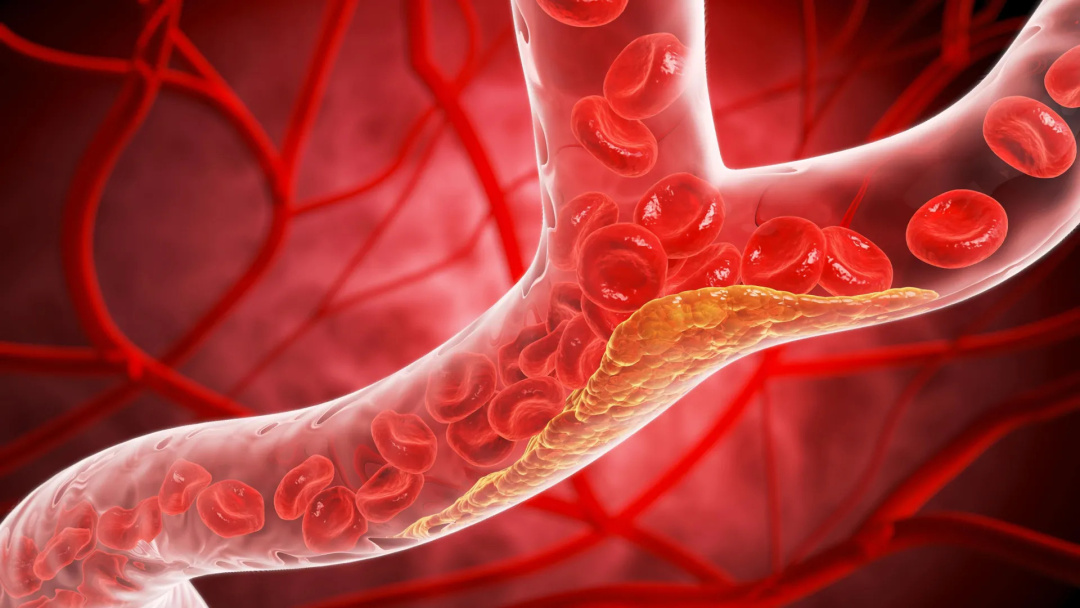
Atherosclerosis, the gradual buildup of plaque inside arteries that drives most cardiovascular disease, can begin many years before a person notices any symptoms. A large international study led by Professor Henning Bundgaard from Rigshospitalet in Copenhagen and Dr. Borja Ibáñez from the Centro Nacional de Investigaciones Cardiovasculares Carlos III has revealed that this hidden disease is present in some young adults who appear healthy, indicating a more widespread issue than previously recognized. Among over 16,000 participants with no symptoms or prior cardiovascular disease diagnoses, researchers detected atherosclerotic plaques in 57.1%. These findings were presented at the ESC Congress 2026 and published in The New England Journal of Medicine.
The study is part of the REACT project, one of the largest efforts to examine how silent atherosclerosis develops throughout adulthood, funded by the Novo Nordisk Foundation. Professor Bundgaard emphasized the project's vision to transform primary cardiovascular prevention through a precision medicine approach based on early identification of atherosclerosis. The initiative received up to EUR 23 million for its first phase.
Atherosclerosis is the primary cause of cardiovascular disease, which can manifest as heart attacks, strokes, or sudden death. While having arterial plaque does not guarantee symptomatic disease, cardiovascular disease claims nearly 20 million lives globally each year, with atherosclerosis responsible for the majority of these deaths. The challenge lies in the disease's ability to develop silently over decades, with plaque accumulating without warning signs.
Professor Ibáñez highlighted the study's shift from estimating cardiovascular disease risk based on traditional factors like blood pressure and cholesterol to directly detecting the disease through imaging. This new paradigm aims to guide preventive interventions based on the actual presence of silent atherosclerosis rather than relying solely on indirect risk estimates. The first phase of REACT, which began in 2024, aims to map the prevalence of silent atherosclerosis across different ages and between genders.
The study enrolled 16,808 participants aged 18 to 70 from Denmark and Spain, all without a known history of atherosclerotic cardiovascular disease. Advanced imaging techniques were used to identify plaque in three major areas: the carotid arteries, femoral arteries, and coronary arteries. The results revealed that atherosclerosis can appear surprisingly early in adulthood, with about 1 in 13 participants aged 18 to 29 showing signs of the disease. The prevalence increased significantly with age, reaching about 90% among participants aged 60 to 70.
The study also found that most participants with coronary artery atherosclerosis exhibited plaque in either the carotid or femoral arteries, suggesting that simpler ultrasound imaging could be an effective screening tool. This approach could facilitate early detection and intervention, potentially preventing the progression of cardiovascular disease.
Notably, the study identified differences in atherosclerosis patterns between men and women, with men showing earlier onset and higher prevalence at younger ages. Women experienced a sharper increase in prevalence between ages 40 and 60, coinciding with the menopausal transition. These findings underscore the need for tailored cardiovascular prevention strategies that consider sex and life stage.
Current cardiovascular risk assessment methods, such as SCORE2, often miss many existing cases of silent atherosclerosis, indicating that individuals may appear to have low risk while plaque is developing. Dr. Ibáñez noted that this study suggests a need for a more precise and personalized approach to cardiovascular prevention.
Professor Bundgaard believes these findings could reshape cardiovascular prevention strategies, as they demonstrate that atherosclerosis can be detected long before clinical symptoms arise. The results provide a foundation for future studies to evaluate whether early detection and treatment of silent atherosclerosis can improve health outcomes. If funded, the second phase of REACT will test whether prevention guided by imaging can effectively reduce the progression of atherosclerosis and prevent cardiovascular events. The research team plans to extend the study beyond Europe to validate findings across diverse populations.