Tea and Coffee Choices May Influence Osteoporosis Risk in Older Women
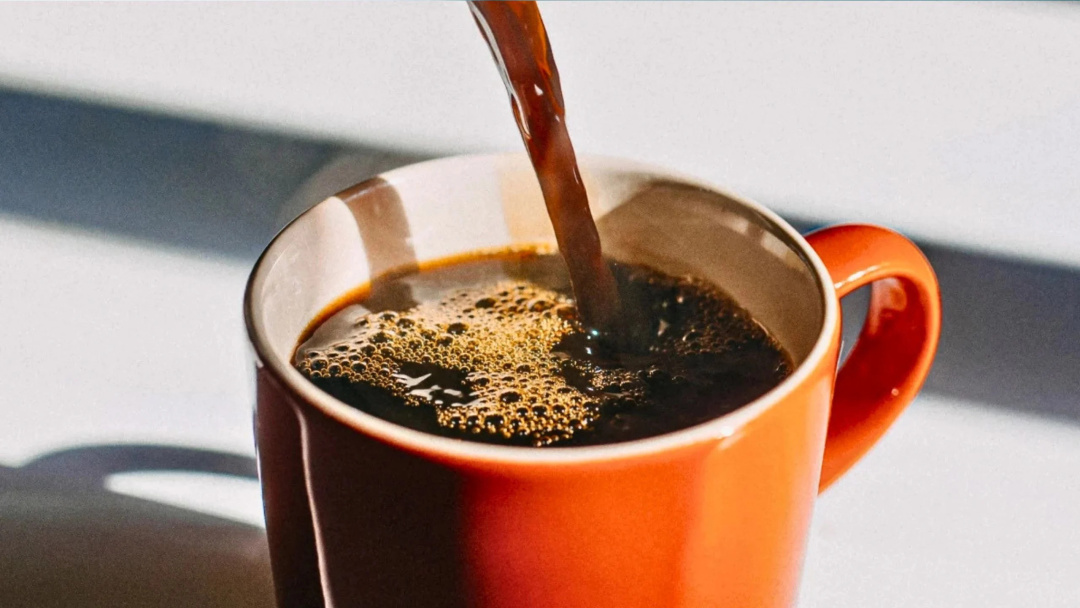
A recent study conducted by public health researchers at Flinders University in Australia highlights the potential impact of daily tea or coffee consumption on the bone health of older women. Osteoporosis, a condition characterized by weakened bones and increased fracture risk, is particularly prevalent among women over 50, with one in three expected to be diagnosed in their lifetime. This condition arises when the body fails to adequately replace old bone tissue, leading to increased brittleness and susceptibility to fractures.
The study analyzed the drinking habits of approximately 9,700 women aged over 65 in the United States, as part of a broader investigation into osteoporosis published in 2025. Participants reported their tea and coffee consumption patterns through surveys conducted over a decade, allowing researchers to correlate these habits with measurements of bone mineral density (BMD) in key areas such as the hip and femur.
Findings revealed that women who regularly consumed tea exhibited slightly but significantly higher BMD compared to those who did not partake in tea drinking. This increase may be attributed to catechins, compounds found in tea that could enhance the activity of cells responsible for bone formation. Flinders epidemiologist Enwu Liu noted that even minor improvements in bone density could lead to a reduction in fractures across larger populations. Furthermore, tea consumption appeared to offer additional benefits for women with obesity.
Conversely, the study found mixed results regarding coffee consumption. Women who consumed more than five cups of coffee daily were more likely to exhibit lower BMD, aligning with previous research suggesting that caffeine may hinder calcium absorption. Additionally, higher coffee intake was associated with reduced femur BMD in women with a history of significant alcohol consumption, indicating a potential interaction between these substances that could exacerbate bone health issues.
It is important to note that the study's participants were predominantly White, which may limit the generalizability of the findings to other demographics. Liu emphasized that the results do not necessitate a complete abandonment of coffee or an excessive increase in tea consumption. Instead, they suggest that moderate tea intake could be a simple strategy to support bone health, while high coffee consumption may not be advisable, particularly for women who also consume alcohol.
While calcium and vitamin D are well-established cornerstones of bone health, this research underscores that the beverages we choose can also play a role in maintaining stronger bones as we age. For older women, enjoying a daily cup of tea may serve as more than just a comforting ritual; it could represent a small yet meaningful step toward enhancing bone health.