Prebiotic Fruits and Their Role in Supporting Gut Health
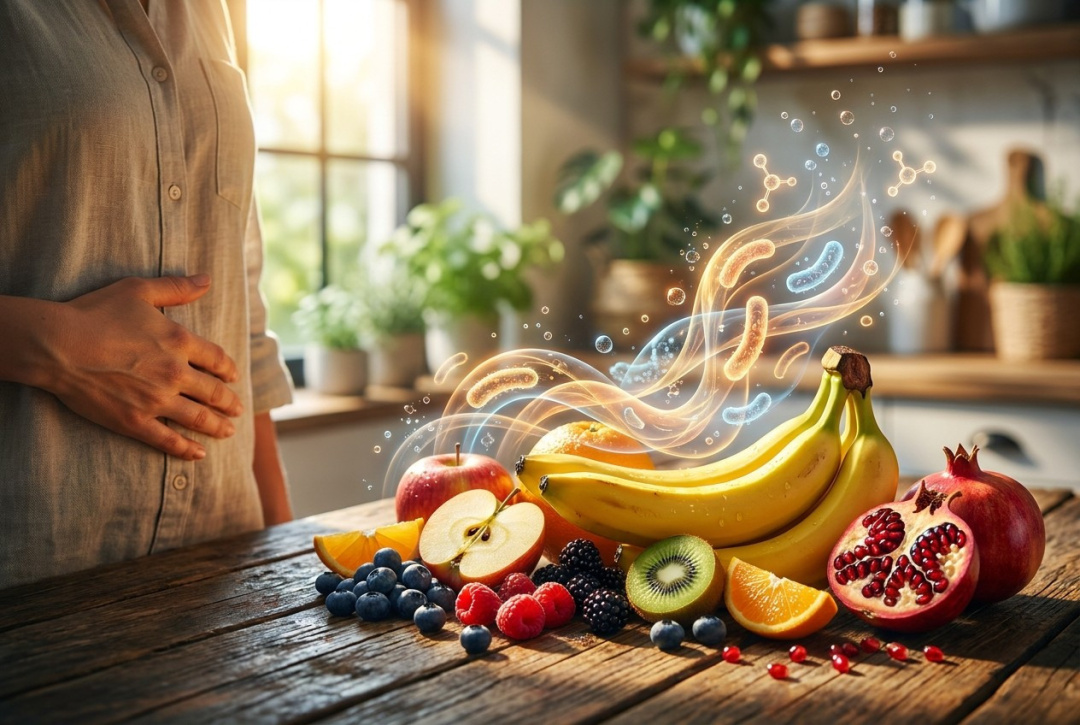
A report compiled by registered dietitians has identified 22 fruits that are linked to health benefits, particularly due to their nutrient density and scientific backing. The 2020-2025 Dietary Guidelines for Americans recommend that adults consume between 1.5 to 2 cups of fruit daily to support overall health. According to a systematic review and meta-analysis published in Nutrition Reviews, prebiotic fiber supplementation has been shown to lower systolic blood pressure by an average of 8.5 mmHg and diastolic pressure by 5.2 mmHg in individuals with hypertension. Prebiotic fibers, including inulin, pectin, and resistant starch, pass through the small intestine undigested and are fermented by gut bacteria in the colon, leading to the production of beneficial short-chain fatty acids such as butyrate. Additionally, polyphenols found in fruits like berries and apples may also have prebiotic effects by influencing the composition of gut microbiota. The FDA has yet to establish a daily reference intake for prebiotics, highlighting the ongoing exploration in this area. A dietary prebiotic is defined as an ingredient that positively affects the composition and functioning of the gut microbiome, contributing to health and well-being. Notably, fructooligosaccharides and inulin are recognized as prebiotics that selectively ferment, leading to changes in the gastrointestinal microbiota that benefit the host. Research has shown that pitaya, or dragon fruit, contains oligosaccharides with prebiotic properties, with studies indicating that a significant portion of inulin and oligofructose reaches the colon. Nutrition scientists caution that not all fruits possess the same prebiotic potential; for instance, unripe bananas and cooled cooked potatoes are noted for their higher resistant starch content. The International Scientific Association for Probiotics and Prebiotics emphasizes that claims regarding prebiotics should be substantiated by human studies. Clinicians warn that a rapid increase in fiber intake can lead to gastrointestinal symptoms such as bloating, particularly for individuals with IBS or FODMAP sensitivity, who are advised to consult healthcare providers. Dr. Steven R. Gundry, an expert in gut health, explains that cooking can alter the chemical structure of sugars in plant foods, but chilling these foods after cooking can enhance their resistant properties. Heather Anne Wise, author of A Gut Feeling, contrasts the availability of healthy food options in Western countries, noting that convenience stores in places like France offer a variety of whole foods rather than processed products. Data from nutrient databases reveal that sweet potatoes have lower levels of simple sugars compared to bananas, which may help in managing blood sugar levels. The report concludes that prebiotic fruits are an affordable source of fermentable fiber, with experts advocating for whole-food sources over isolated supplements. Despite the benefits, approximately 95 percent of Americans do not consume enough dietary fiber, which is crucial for digestive health and overall well-being. Prebiotic-rich foods such as bananas, apples, berries, and kiwi provide an accessible means to enhance gut microbiome diversity.