Ten High-Fiber Foods Linked to Heart and Gut Health Identified in New Report
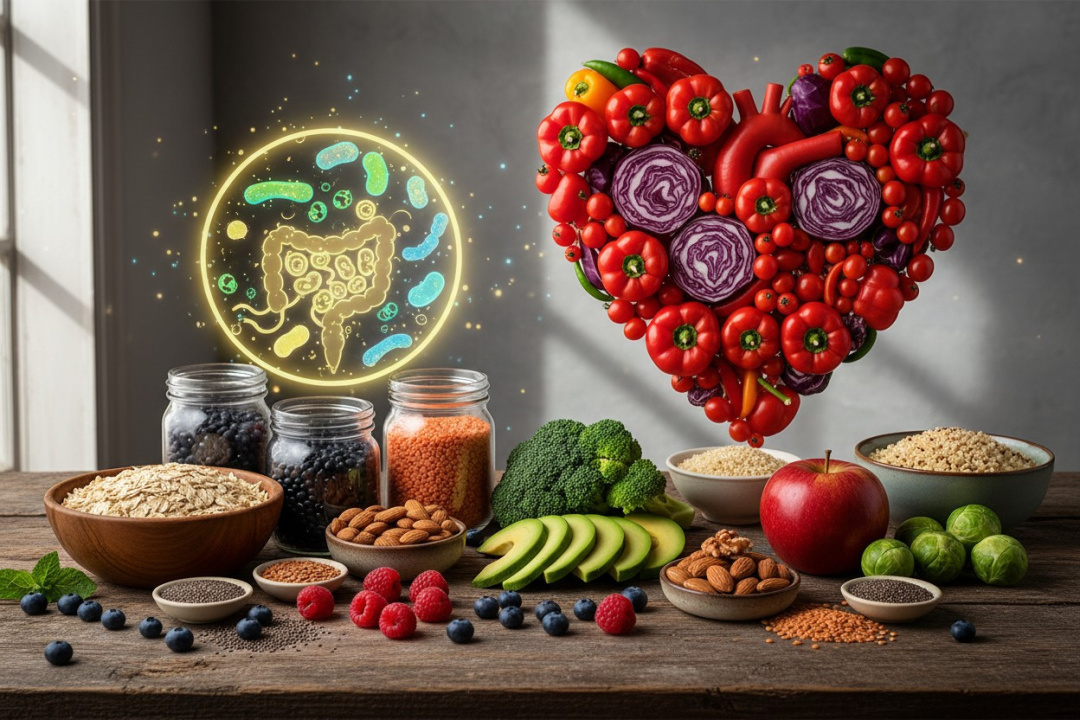
A recent report has identified ten high-fiber foods that are believed to support both cardiovascular and digestive health. The foods highlighted in the report include oats, beans, lentils, berries, avocado, nuts, seeds, apples, vegetables, and whole grains. These foods are recommended for their high fiber content, which is essential for maintaining overall health and well-being.
According to the American Heart Association, adults should aim to consume between 25 to 34 grams of fiber daily, yet many Americans only manage to consume about 10 to 15 grams. This discrepancy is concerning, as a 2014 Food & Fiber Summit revealed that only around 5% of Americans meet the recommended daily fiber intake set by the Institute of Medicine, which varies from 19 to 38 grams based on age and gender.
Oats, known for their beta-glucan content, are highlighted for their potential to lower LDL cholesterol and promote the growth of beneficial gut bacteria. Research published in the British Journal of Nutrition indicates that oat fractions rich in beta-glucan can be digested in both the small and large intestines, contributing to energy production through the formation of volatile fatty acids. Additionally, a study in the Journal of the Science of Food and Agriculture found that high beta-glucan oat bran can help regulate blood glucose and insulin levels in individuals with and without type 2 diabetes.
Beans and lentils are recognized as high-fiber legumes that contribute to heart health and digestive regularity. Soluble fiber in these foods forms a gel-like substance in the stomach that binds to fats, aiding in cholesterol reduction. This fiber also slows the absorption of sugars, which is beneficial for managing blood sugar levels and preventing diabetes.
Berries are noted for their fiber and polyphenol content, which may help reduce inflammation and support gut health. Research has demonstrated that dietary fiber from various berries can positively influence cholesterol levels and microbiome diversity. Avocado is included for its healthy monounsaturated fats and fiber, which may also benefit heart health and gut bacteria.
Nuts, such as almonds and walnuts, are recognized for their fiber, healthy fats, and magnesium content. Studies have shown that incorporating almonds into the diet can positively affect serum lipid levels. Similarly, seeds like chia and flax are praised for their soluble fiber and omega-3 fatty acids, which are beneficial for both heart and gut health. However, nutritionists advise moderation due to their calorie density.
Apples, rich in pectin, a type of soluble fiber, are noted for their role in supporting gut microbiota and managing cholesterol levels. Vegetables, particularly broccoli and Brussels sprouts, are recognized for their prebiotic fiber content, which is essential for digestive health. Lastly, whole grains, including quinoa and brown rice, are cited for their fiber, vitamins, and minerals that may help reduce the risk of heart disease.
The report emphasizes the importance of consuming whole, minimally processed foods over their processed counterparts to achieve optimal health benefits. It also highlights the need for individuals to increase their fiber intake to meet daily recommendations, as many Americans currently fall short of these targets.
Overall, these ten high-fiber foods are not only nutritious but also play a crucial role in supporting heart and gut health, making them valuable additions to a balanced diet.