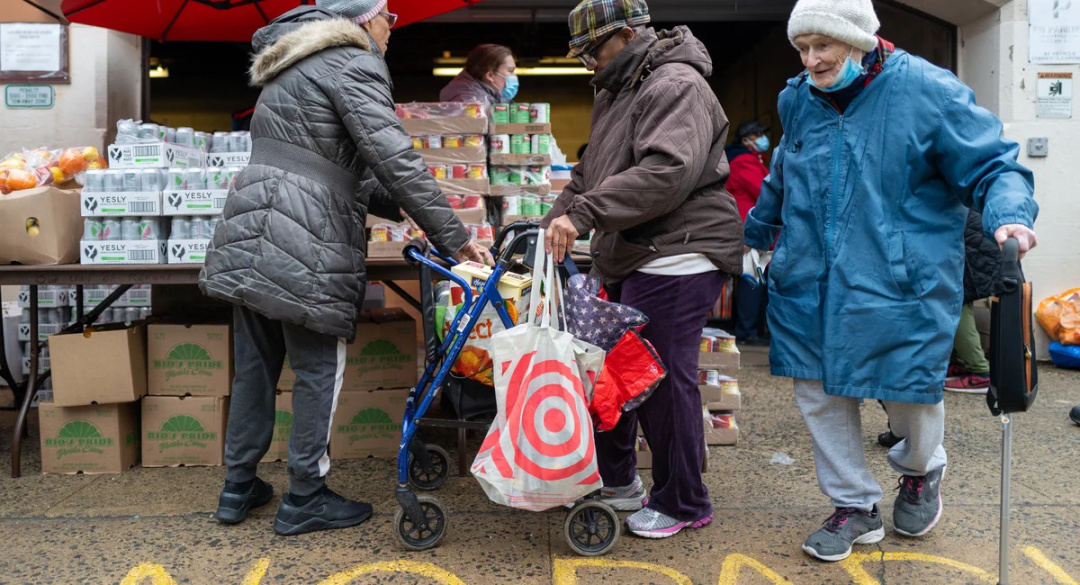
New York City Encourages SNAP Recipients to Reapply After Benefit Loss Due to Work Rules
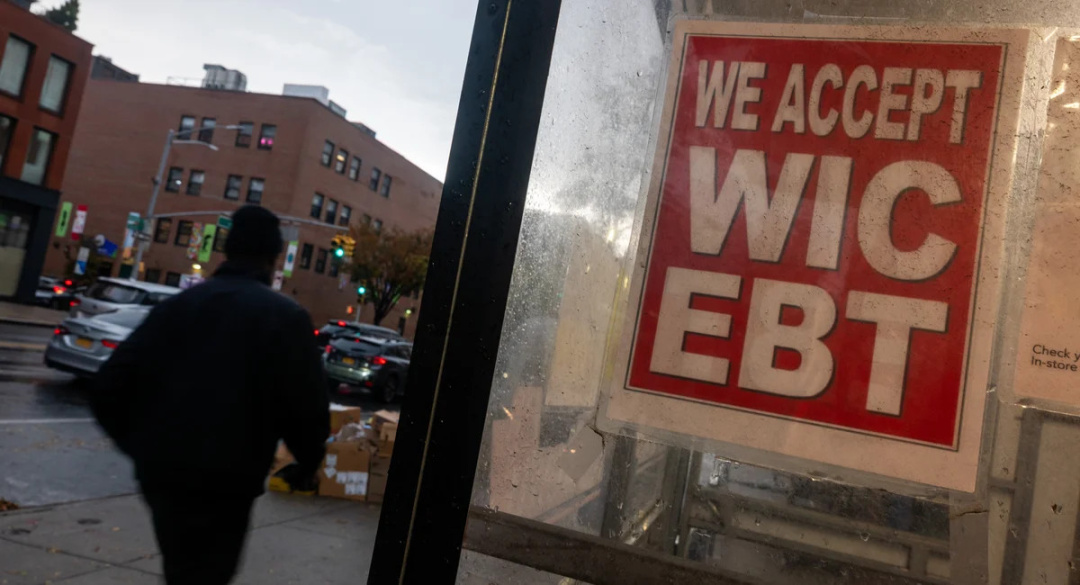
The Mamdani administration is actively encouraging New Yorkers who have recently lost their Supplemental Nutrition Assistance Program (SNAP) benefits due to new federal work requirements to reapply for assistance. Since the implementation of these rules, around 26,500 SNAP recipients have been removed from the program. The changes stem from a policy enacted during the Trump administration that mandates beneficiaries to consistently demonstrate their engagement in work, volunteering, or educational activities to retain their benefits beyond a three-month period.
However, the regulations governing SNAP benefits reset every three years, allowing those who failed to comply to reapply starting in October. This means that individuals can potentially receive at least three additional months of food assistance. To facilitate this process, anyone seeking to reapply or needing assistance in maintaining their benefits can contact the city’s SNAP hotline at 718-SNAP-NOW or 718-762-7669. They can also access information through the Access HRA app or visit the official NYC website.
The work requirements were introduced as part of a broader initiative by Congressional Republicans and President Donald Trump in 2025, aimed at reducing perceived waste and fraud within the program while promoting employment among recipients. In New York City, these new stipulations have affected various vulnerable groups, including those aging out of foster care, older adults, and homeless individuals, all of whom must now provide proof of employment to avoid losing their aid.
The new rules took effect this year, giving SNAP recipients aged 18 to 64 a three-month grace period to comply, with the risk of losing assistance beginning in June. Those who reapply for SNAP will receive another three months to meet the new requirements.
Jerome Nathaniel, director of policy and government relations at City Harvest, a food rescue organization, emphasized the importance of SNAP benefits, stating that they serve as a vital lifeline for many families. He cautioned that denying benefits creates unnecessary barriers, which can exacerbate food insecurity and decrease participation in the program.
City officials have collaborated with local hospitals and universities to exempt as many SNAP recipients as possible from the new requirements due to medical conditions or disabilities, or to classify them as compliant with educational obligations. The city reports that it has successfully assisted tens of thousands of recipients in maintaining their benefits or applying for exemptions.
Data indicates that a significant portion of those who did not meet the requirements are younger individuals, particularly those between 18 and 30 years old. Erin Dalton, the commissioner of the city’s Department of Social Services, which oversees SNAP, noted that city workers will intensify their outreach efforts to engage this demographic through phone banking, door-to-door visits, and community outreach initiatives aimed at encouraging them to reapply and explore employment opportunities.
Additionally, starting October 1, the Trump administration will shift more of the costs associated with administering SNAP to state governments. In New York, this transition will result in an additional financial burden of $111 million on the city, according to City Harvest.