The Rise of Store Brands: From Generic to Grocery Essentials
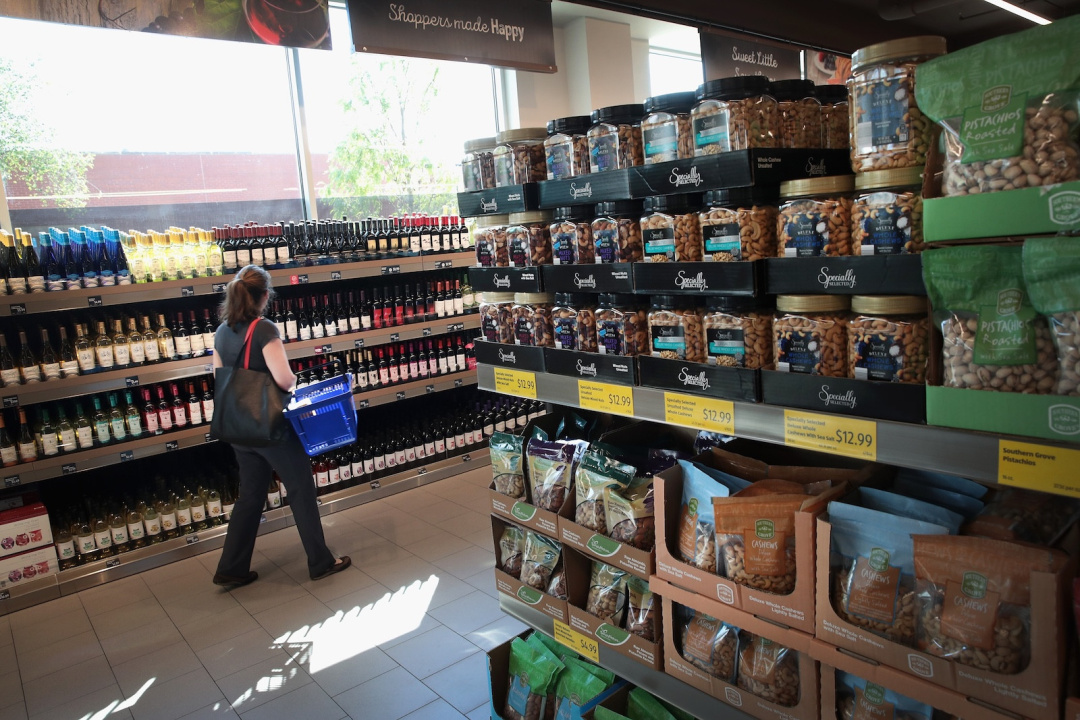
Store brands have experienced a remarkable transformation, shifting from the realm of generic alternatives to becoming essential grocery items that many consumers actively seek out. This evolution is particularly evident in retailers like Aldi and Trader Joe’s, which have successfully redefined their private-label offerings to resonate with modern shoppers. Once viewed as second-best choices, these brands now boast unique identities and loyal followings among consumers.
Historically, generic groceries were characterized by their straightforward packaging and resemblance to name-brand products. For instance, shoppers might recall Dr. Thunder soda or Twist and Shout cookies, which were designed to evoke familiarity without the associated price tag. The decision to purchase these items often depended on the perceived importance of brand versus cost, leading to a careful balance in grocery shopping decisions.
However, recent trends indicate a significant shift in consumer attitudes towards store brands. As inflation has prompted shoppers to seek more affordable options, many have discovered that private-label products can offer quality that rivals, or even surpasses, traditional brands. This change has led to an increase in private-label sales, which now account for nearly a quarter of all consumer packaged goods in the U.S. Notably, 92% of grocery shoppers report having private-brand products in their homes, with 94% indicating they would continue to buy them even if prices dropped.
Retailers have recognized this shift and have begun to curate their store brands with greater care, focusing on aesthetics and product identity. For example, Kroger’s Private Selection line features packaging that stands out on shelves, such as jars of preserves that proudly display their contents. This move away from generic branding has allowed store brands to establish their own identities, making them just as desirable as national brands.
Trader Joe’s has long understood the importance of creating a unique shopping experience that transcends mere grocery provisioning. The store’s layout, seasonal product offerings, and engaging marketing strategies have fostered a sense of community among shoppers. This approach has resulted in a dedicated following, with numerous blogs and social media accounts dedicated to sharing Trader Joe’s finds.
Similarly, Aldi has cultivated a unique shopping environment, often referred to as the “aisle of shame,” where unexpected seasonal items and deals can lead to delightful discoveries. This treasure-hunt experience has helped Aldi build a loyal customer base that appreciates both affordability and novelty.
Costco has also embraced the concept of private labels, with its Kirkland brand becoming synonymous with quality and value. Shoppers often engage in discussions about the origins of Kirkland products, further enhancing their connection to the brand.
Whole Foods has made strides in changing perceptions of its pricing with its 365 line, which aims to provide affordable options without sacrificing quality. This has helped position Whole Foods as a viable choice for everyday grocery needs rather than just a premium shopping destination.
As consumers increasingly prioritize the quality and identity of the products they purchase, the divide between name brands and store brands continues to blur. Many shoppers now find pleasure in discovering high-quality store-brand items that fit their budgets, reflecting a broader trend towards valuing quality over price alone. This shift indicates a growing sophistication among consumers, who are now more likely to consider both affordability and brand identity when making grocery choices. Ultimately, the evolution of store brands signifies a significant change in the grocery landscape, where consumers are empowered to make informed choices that align with their preferences and values.