Study Links Reduced Ultra-Processed Food Intake to Improved Depression Symptoms
A small preliminary study from UC San Francisco has added to the growing evidence that reducing ultra-processed food consumption can help alleviate symptoms of depression. Published on September 23 in JAMA Psychiatry, this research, funded by the National Institutes of Health, is believed to be the first to evaluate depression symptoms in the same participants before and after they transitioned from a diet high in ultra-processed foods to a healthier food regimen.
The pilot study involved 20 participants, primarily women with an average age of 44, all of whom had a high body mass index (BMI) and at least one metabolic disorder, such as hypertension or diabetes. The study's senior author, Dr. Andrew Krystal, a distinguished professor at UCSF, noted that the study successfully demonstrated the feasibility of conducting this research on a larger scale in the future.
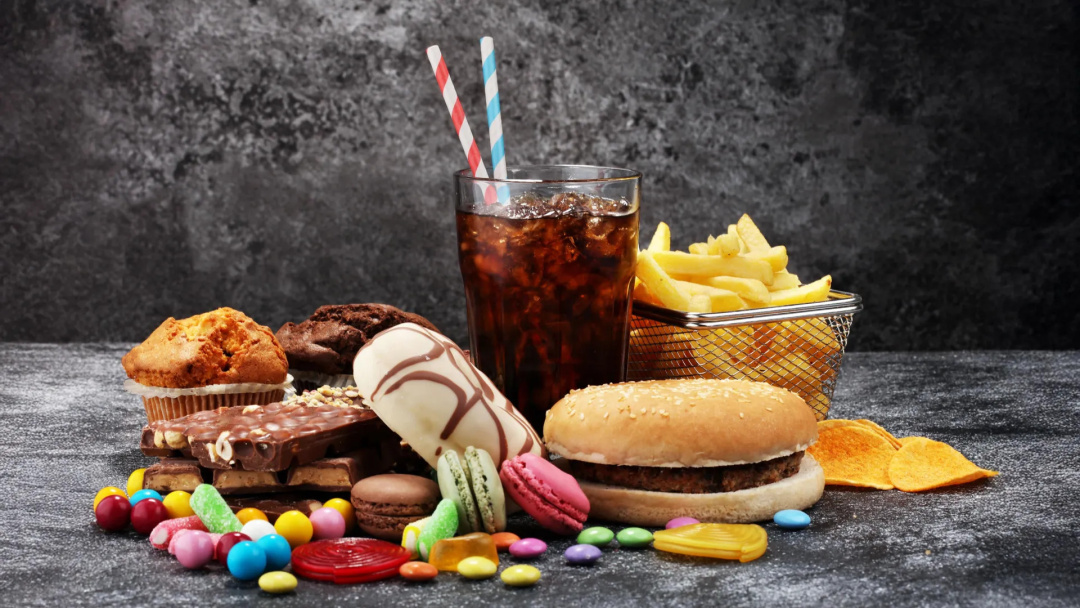
Participants in the study reduced their intake of ultra-processed foods by more than 85%. Following this significant dietary change, they exhibited moderate to large improvements in their depression symptoms, alongside modest improvements in anxiety scores. Ultra-processed foods, which include items like packaged snacks, fast food, and sugary beverages, are often laden with preservatives, artificial colors, flavor enhancers, and emulsifiers.
Dr. Nyasha Chagwedera, the study's corresponding author, pointed out that while reducing ultra-processed food consumption can be challenging due to its appealing taste, affordability, and convenience, it is crucial for mental health. These foods are designed to trigger dopamine release, the hormone associated with pleasure, which can lead to cravings. Food manufacturers often collaborate with scientists to optimize the levels of sugar, salt, and fat in these products to maximize their appeal.
The study divided participants into two groups: one continued their usual diet for four weeks, while the other group switched to a diet low in ultra-processed foods. After four weeks, the groups exchanged diets. Dr. Chagwedera suggested that the connection between ultra-processed food consumption and depression might stem from what she described as a "leaky gut," where the protective lining of the gut is compromised. This damage could lead to low-grade, chronic inflammation throughout the body, which may either directly cause depression or increase susceptibility to it.
The findings of this study, while promising, are still preliminary due to the small sample size. The researchers plan to conduct further investigations with a larger group, with enrollment for the next phase expected to begin in 2028. Additional authors from UCSF include Eliana Kim, MD, Dorothy T. Chiu, PhD, Chengshi Jin, PhD, and Catherine Lee, PhD, along with collaborators from the University of Queensland, Mayo Clinic, and Emory University. The study was supported by several grants from the National Institutes of Health.