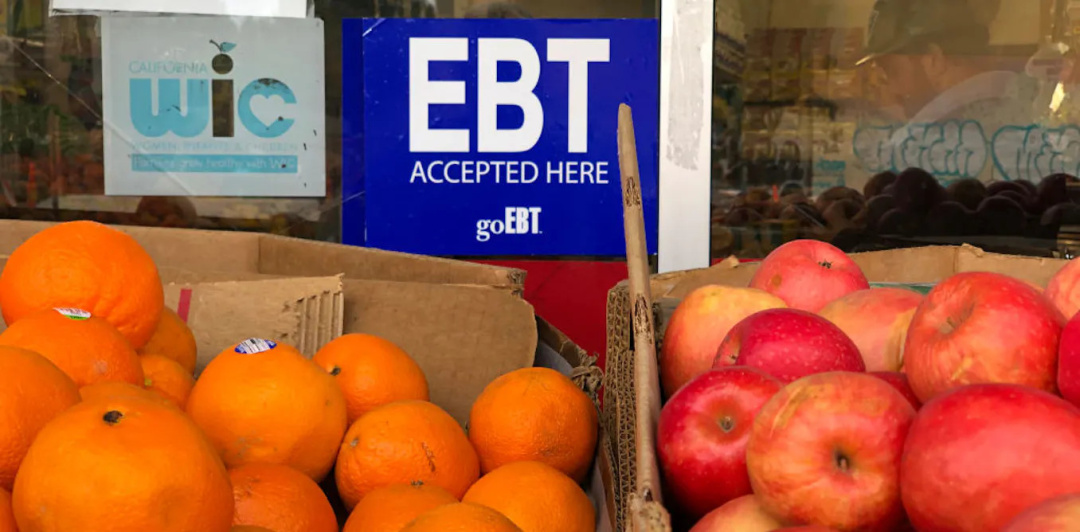
SNAP's Role in Supporting Texas Farmers During Hunger Action Month
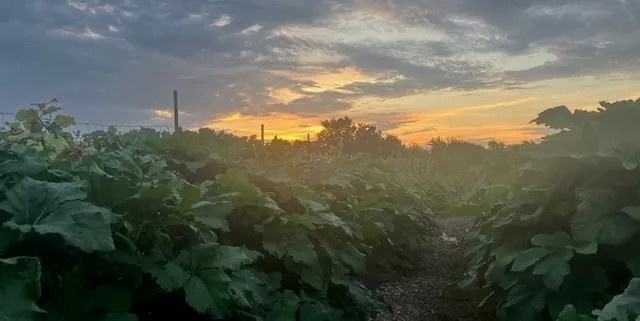
September marks Hunger Action Month, a time to reflect on the pressing issue of food insecurity in Texas, where nearly 1 in 5 residents face hunger. This year, over 6 million Texans, including almost 2 million children, struggle with consistent access to sufficient food for a healthy life. The Supplemental Nutrition Assistance Program (SNAP) plays a vital role in addressing this challenge, providing essential support to families while simultaneously benefiting local farmers.
For the past 23 years, I have been involved with North Texas farmers and families, witnessing firsthand the interconnectedness of those who grow our food and those who rely on it. When families cannot afford groceries, the impact is felt by farmers, who depend on a stable customer base. Currently, approximately 3.1 million Texans use SNAP to purchase groceries, making it a crucial lifeline not just for individuals but for the agricultural economy as well.
At GROW North Texas, we collaborate with farmers from various regions, including those who travel significant distances to sell at farmers markets. SNAP benefits allow families to buy fresh produce, which in turn supports local farmers. In fact, the revenue from SNAP at farmers markets increased by 35% over two years, demonstrating its positive economic impact despite being a small fraction of total SNAP expenditures in Texas.
Small farmers face unique challenges, investing in seeds, soil, and labor without knowing how much they will sell or at what price. SNAP provides a dependable revenue stream, allowing these farmers to thrive. Research from the USDA’s Economic Research Service indicates that every dollar spent in SNAP generates approximately $1.50 in local economic activity. This multiplier effect underscores the importance of SNAP not only for food security but also for sustaining local economies, particularly in rural Texas where grocery stores and farms are crucial.
As Texas grapples with significant decisions regarding the future of SNAP, it is essential to recognize that reducing access to this program would have far-reaching consequences. It would not only affect those who rely on SNAP for groceries but also jeopardize the livelihoods of farmers and the viability of local food systems.
The relationship between food security and agricultural health is symbiotic. When families have the means to purchase food, farmers can sustain their operations. Conversely, when farmers have reliable markets, they can continue to grow food. Strengthening local food systems by supporting SNAP is an investment in the well-being of both farmers and families.
This Hunger Action Month, I encourage Texans to support local food banks, buy from local farmers, and advocate for robust SNAP funding. It is crucial to communicate to lawmakers that maintaining SNAP is not merely an anti-hunger initiative; it is an investment in the entire community, benefiting farmers, families, and the food system that nourishes us all.