SNAP Benefits Increase Starting October 1, 2026, for Millions of Americans
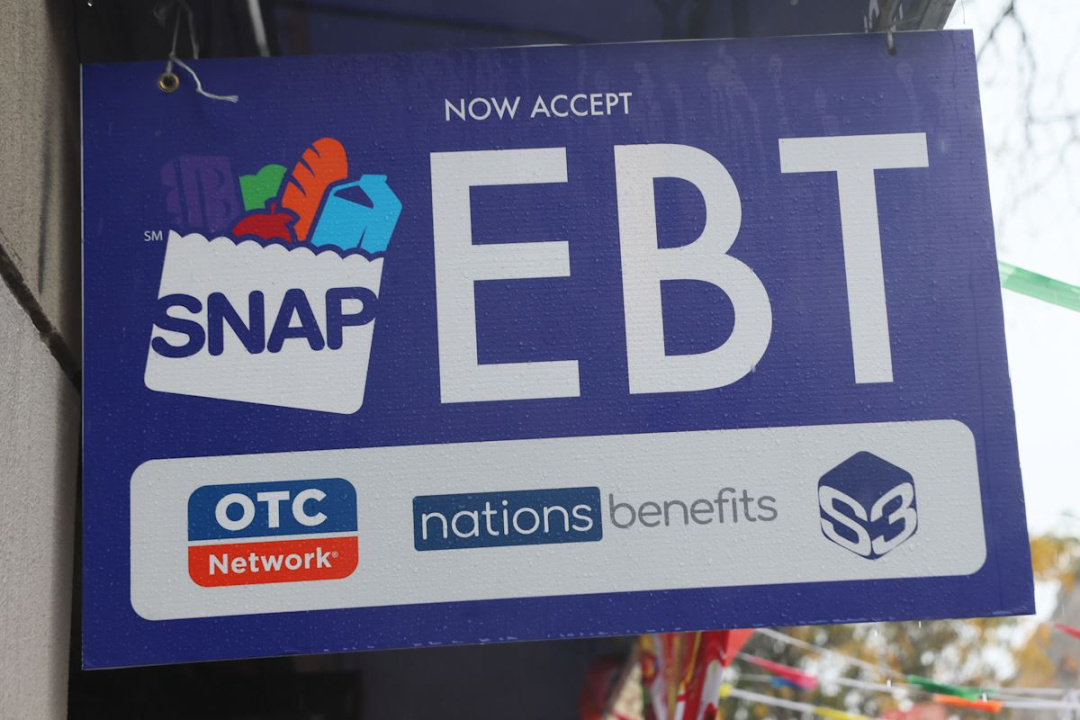
Starting October 1, 2026, the maximum Supplemental Nutrition Assistance Program (SNAP) benefit for a family of four in the 48 contiguous states and Washington D.C. will increase to $1,023 per month. This change is intended to help the approximately 36 million individuals enrolled in the program manage the rising costs of groceries. Alongside this increase, income limits and deductions will also rise, potentially providing additional financial support to some families and expanding eligibility for others.
The adjustments to SNAP benefits are significant, as they reflect the ongoing need for assistance in the face of increasing grocery prices. Households participating in SNAP are generally expected to contribute about 30% of their net monthly income toward food costs. For example, a family of four with a net income of $1,000 per month would be expected to spend $300 on food, resulting in a monthly benefit of $723 after the maximum benefit is adjusted for their income.
In addition to the benefit increase, specific regions like Alaska, Hawaii, Guam, and the U.S. Virgin Islands have their own benefit amounts due to higher grocery costs. In Hawaii, for instance, the maximum benefit will decrease slightly from $1,689 to $1,655 as the USDA phases in a revised food-cost estimate. Alaska's benefits are divided into three zones based on urban and rural classifications, reflecting the varying costs of living across the state.
Other figures changing in October include the gross income limit, which will rise to $3,575 per month, and the standard deduction, which will be $217 for smaller households. The shelter deduction cap will also increase to $769, allowing households with high housing costs to deduct additional amounts from their income before benefits are calculated.
Despite the increase in benefits, the overall picture for SNAP is complex. Recent data indicates that millions fewer people are receiving SNAP compared to the previous year. Experts attribute this decline to changes introduced by the One Big Beautiful Bill Act (OBBBA), which has implemented stricter work requirements and eligibility cuts. For instance, the age range for the work requirement has expanded from 18-54 to 18-64, which has led to a decrease in participation by approximately 5 million people, or 12%, since the law's enactment.
Additionally, the OBBBA shifts a greater portion of SNAP's administrative costs to states, which could complicate access to benefits over time. States will now cover 75% of SNAP's administrative costs, a significant increase from the previous 50%. This change is projected to impose about $16.9 billion in costs on states over the next five years, potentially leading to budgetary pressures that could affect the delivery of SNAP benefits.
Tim Shaw, director of the Benefits Transformation Initiative at the Aspen Institute, has expressed concerns that these changes may hinder access to SNAP as states face increased financial burdens. Furthermore, starting in October 2027, states will also be responsible for a portion of benefit costs, which could further complicate the program's sustainability.
The USDA maintains that the changes in administrative costs will have a negligible impact on SNAP benefit spending or participation. However, the ongoing adjustments to maximum benefits are tied to the Thrifty Food Plan, which is updated annually to reflect current grocery prices. This year's increase of approximately 3% aligns with the recent trends in food costs, emphasizing the importance of SNAP in supporting food security for millions of Americans.