Dietary Patterns Play Crucial Role in Heart Disease Prevention, Says ACC
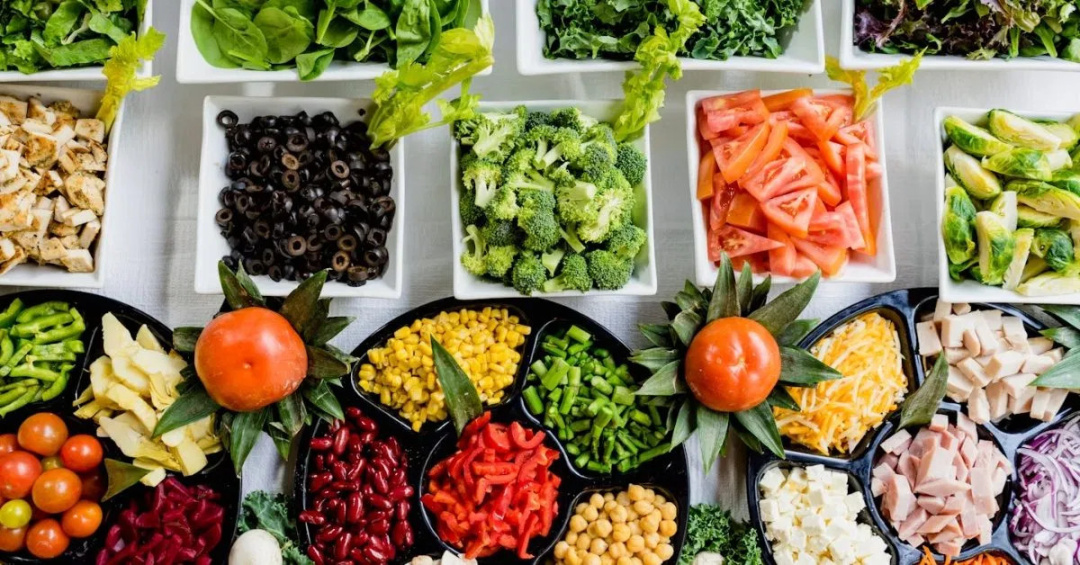
Heart health is closely linked to dietary choices, with experts emphasizing that regular consumption of heart-healthy foods can improve heart health and lower the risk of developing heart disease by reducing risks such as high blood pressure and high cholesterol. A new scientific statement from the American College of Cardiology (ACC) highlights the importance of overall dietary patterns for cardiovascular health rather than focusing on individual nutrients or specific foods. This statement, published in the Journal of the American College of Cardiology (JACC), reviews current evidence on nutrition and cardiovascular disease, providing recommendations for integrating nutrition more consistently to help prevent and manage heart disease.
Rather than emphasizing a particular percentage of carbohydrates, fats, or protein, the authors stress the importance of overall dietary quality, food sources, and the degree to which foods are processed. The central message of the ACC statement is that heart-healthy eating does not require following a single dietary plan or eliminating specific nutrients. Instead, it emphasizes maintaining a consistent dietary pattern centered on nutritious, minimally processed foods that are sustainable over time and support cardiometabolic health.
A suboptimal dietary pattern is a key risk factor for cardiovascular disease. The concept of heart-healthy eating has evolved from a nutrient-focused approach to food- and dietary-pattern-based strategies that better reflect the relationship between diet and cardiometabolic health. The statement recommends emphasizing minimally processed, plant-forward foods while limiting foods high in refined starches, added sugars, sodium, and unhealthy fats. The authors particularly support replacing saturated fats with unsaturated fats, including those found in liquid plant oils, nuts, seeds, and fish, while prioritizing whole grains and other high-fiber foods.
Notably, two dietary patterns with substantial supporting evidence are the Mediterranean diet and the Dietary Approaches to Stop Hypertension (DASH) diet. Both emphasize an overall eating plan that includes vegetables, fruits, whole grains, nuts, legumes, and healthy protein sources, along with unsaturated fats. The statement also recommends choosing water and other unsweetened beverages more often than sugar-sweetened drinks, noting that moderate coffee or tea consumption can fit within a healthy dietary pattern while advising that people generally limit or avoid alcohol consumption.
The statement considers the potential cardiovascular implications of highly processed foods. It emphasizes the nutritional quality of foods and their degree of processing rather than suggesting that all processed foods should be eliminated. Some forms of processing can improve food safety, preservation, or convenience. The concern is particularly focused on highly processed foods that provide little nutritional value, which the statement recommends limiting.
The ACC statement places nutrition within the broader context of cardiovascular-kidney-metabolic (CKM) health. In June 2026, the ACC and the American Heart Association (AHA) published the first-ever clinical guideline on CKM syndrome, linking cardiovascular disease, chronic kidney disease, and metabolic disorders like type 2 diabetes and obesity. The authors emphasize dietary approaches that may support health across these interconnected conditions, highlighting plant-forward eating, lower sodium intake, and limiting highly processed foods of poor nutritional quality.
The authors also note that a person’s ability to follow a healthy dietary plan depends partly on circumstances outside individual choice. Access to nutritious food can be affected by factors such as availability, affordability, and the ability to prepare nutritious foods. The statement recommends considering food security and social determinants of health when discussing dietary patterns, meaning dietary counseling may need to account for whether recommended foods are realistically available and affordable.
Another emerging area discussed is the use of "Food Is Medicine" programs, which provide nutritious foods as part of clinical care. Growing evidence suggests these interventions can improve diet quality and may benefit clinical outcomes. The authors state that broader implementation will require health systems to integrate these programs into routine care while developing sustainable approaches for different populations.
The statement also addresses the use of glucagon-like peptide-1 (GLP-1) receptor agonists, which can lead to substantial weight loss and cardiovascular benefits in appropriate patients. The authors emphasize that improving dietary quality remains important during treatment, as individuals taking these medications still require sufficient essential nutrients, including protein, fiber, vitamins, and minerals. Thus, maintaining adequate nutrient intake may help support overall health and reduce the risk of nutritional deficiencies.
Michelle Routhenstein, MS, RD, CDCES, CDN, a preventive cardiology dietitian, shares advice on incorporating dietary changes to improve heart health. She emphasizes that a heart-healthy diet is less about eating one 'superfood' and more about what regularly appears on your plate to meet nutritional needs and maintain optimal cardiometabolic metrics. Routhenstein suggests building meals around a variety of vegetables, fruits, whole grains, beans, lentils, nuts, seeds, and lean protein, while reducing processed meats, refined grains, refined sugars, and foods high in sodium or saturated fat. She advises starting with one meal at a time and focusing on swaps rather than elimination to make meaningful heart-healthy changes that are easier to sustain.
Small, consistent changes that can be maintained over time are more meaningful for heart health than following a 'perfect' diet for a short period. The key is less about following a specific diet and more about the foods that comprise the overall pattern, emphasizing cardioprotective foods while limiting those higher in saturated fat, added sugar, and sodium. Routhenstein concludes that the most effective approach incorporates these principles in a way that fits individual food preferences, culture, and lifestyle, ensuring sustainability over time.