Interest in Testosterone Therapy for Women Amid Scarcity of Female-Specific Products
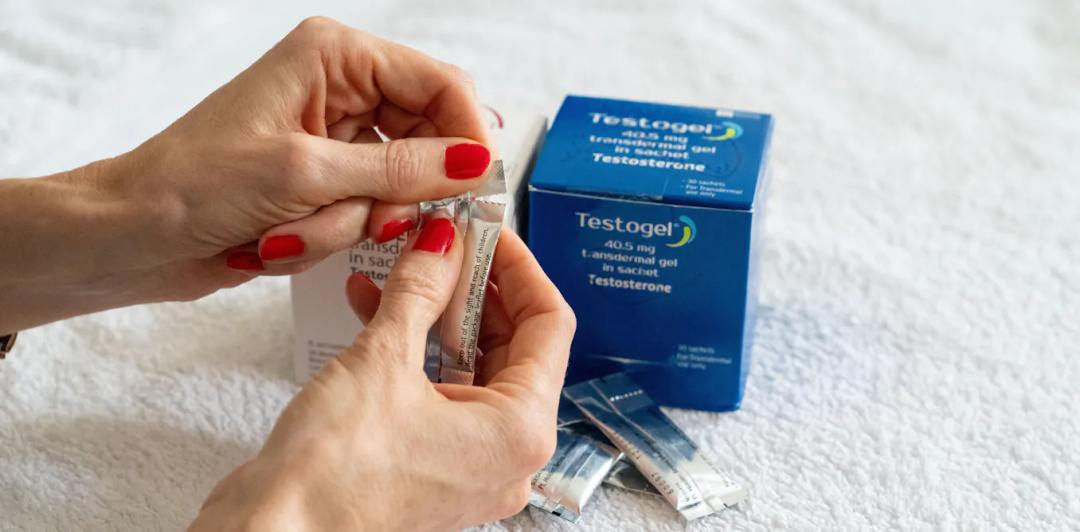
A recent report has shed light on the growing trend of women seeking testosterone therapy to manage menopause symptoms. This surge in interest is largely due to the limited availability of female-specific testosterone products, leading some women to pose as men to obtain testosterone gel. Testosterone, often associated with male characteristics, plays a crucial role in women's health as well. Although women produce testosterone at levels significantly lower than men, it is biologically active and essential for various bodily functions.
Women produce testosterone in their ovaries and adrenal glands, and it is also synthesized from other hormones in fat, skin, and muscle. This hormone is vital not only for sexual desire but also for overall health, influencing bones, muscles, and even mental well-being. As women age, testosterone levels gradually decline, starting well before menopause, although this decline is less pronounced than that of estrogen.
The increasing interest in testosterone therapy among women can be attributed to its known effects on sexual desire, particularly in cases of hypoactive sexual desire disorder (HSDD). A meta-analysis from 2019 indicated that testosterone therapy could enhance sexual desire and satisfaction in some postmenopausal women. Current clinical guidelines endorse testosterone therapy as a treatment for HSDD, marking it as the only condition in women with sufficient clinical evidence to support its use.
However, sexual desire is multifaceted, influenced by psychological factors such as relationships and stress, alongside hormonal levels. While testosterone is a significant factor, it is not the sole determinant of sexual health.
Despite the positive findings regarding sexual desire, robust clinical trial evidence supporting broader health benefits of testosterone in women is lacking. Randomized trials are essential for establishing causal relationships, yet they often fail to account for the complexities of real-world medical practice, where patients may have multiple health issues or be on various medications.
Testosterone is not intended to replace standard hormone replacement therapy (HRT) but is often prescribed alongside estrogen and sometimes progesterone. Some women have reported that even after optimizing their conventional HRT, they still experience unresolved symptoms, leading them to seek additional testosterone treatment.
A recent study in the UK involving 510 women at a menopause clinic found that after four months of using testosterone gel, participants reported improvements in mood, cognitive symptoms, and libido. While these results are promising, they do not definitively prove that testosterone was the cause of these changes.
The demand for testosterone therapy among women has surged, with NHS prescriptions in England increasing tenfold from 2015 to 2022 and testosterone prescribing in the US nearly tripling over the past decade. Despite this rising demand, there remains a significant gap in the availability of licensed female-specific testosterone products. In the US, there are currently no approved testosterone treatments specifically designed for women, unlike estrogen and progesterone, which have widely available options.
Australia has made strides in this area with the introduction of Androfeme, a testosterone cream registered for female use in 2020. However, in the UK, while it received marketing authorization in July 2025, it is not yet routinely accessible through the NHS.
As a workaround, some women have resorted to using men's testosterone gel, which poses dosing challenges and potential side effects if not administered correctly. There are concerns about the long-term safety of testosterone therapy in women, particularly regarding risks of heart disease, stroke, and breast cancer, as existing trials have been short and often excluded women at higher risk for these conditions.
The growing demand for testosterone therapy underscores the urgent need for regulatory attention and the development of safe, effective female-specific testosterone products. This will not only improve access but also facilitate rigorous scientific study of testosterone's effects on women's health.