New Amylin-Based Weight-Loss Drugs Show Promise with Fewer Side Effects
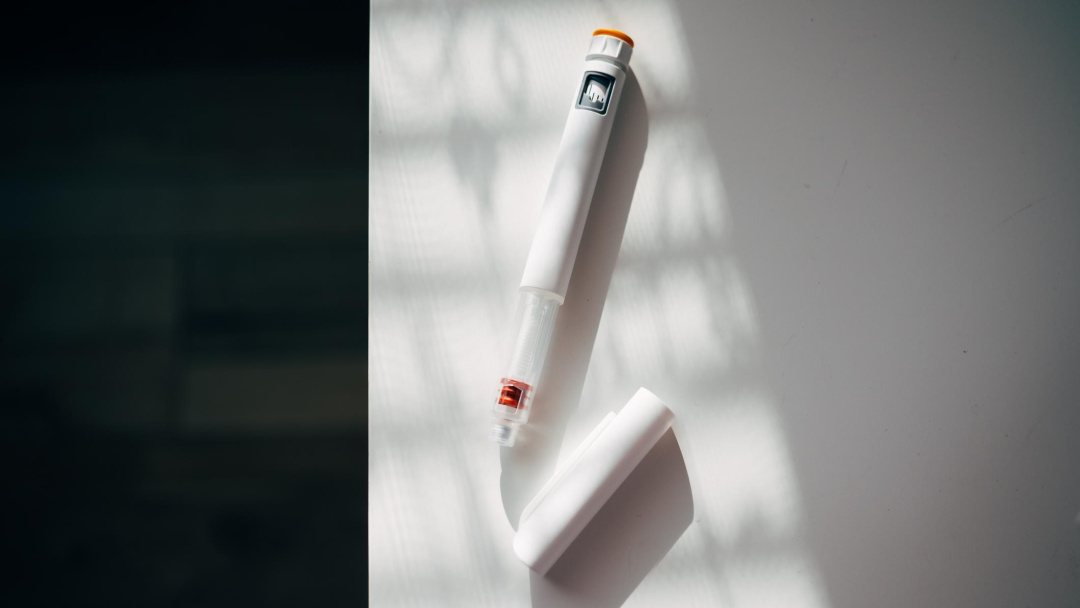
The landscape of weight-loss drugs is evolving rapidly, particularly following the introduction of medications that mimic GLP-1, a peptide hormone that plays a crucial role in regulating appetite and glucose metabolism. While these GLP-1 mimetics have garnered significant attention for their effectiveness in treating obesity and diabetes, they are often associated with gastrointestinal side effects, leading approximately 40% of users to discontinue their use within a year.
At the recent annual meeting of the European Association for the Study of Diabetes (EASD) held in Milan, researchers from leading pharmaceutical companies presented promising findings regarding a new class of injectable medications known as amylins. These hormones, which function similarly to GLP-1s by suppressing appetite and promoting gastric emptying, target different receptors in the body, potentially offering complementary effects without the severe side effects commonly seen with GLP-1 treatments.
Novo Nordisk, the company behind popular weight-loss medications such as Wegovy and Ozempic, reported on their experimental amylin-based compound, CagriSema. In a clinical trial, participants who received CagriSema experienced an average weight loss of 22.4% after one year, significantly more than those receiving a placebo. Additionally, functional MRI studies indicated that CagriSema altered brain responses to food cues, which may help reduce food cravings. Notably, the drug also demonstrated benefits for individuals with Type 2 diabetes by decreasing harmful fat deposits in the liver and pancreas, suggesting potential health improvements beyond weight loss alone.
Martin Holst Lange, the executive vice president and chief scientific officer at Novo, expressed enthusiasm about the broader implications of CagriSema, highlighting its potential to alleviate neuropathic pain in diabetes patients. "Beyond weight loss and glycemic control, CagriSema can do more to help people in their everyday life," he stated.
Eli Lilly also contributed to the discussion with their experimental combination drug, EloraTZP, which pairs the amylin analogue eloralintide with tirzepatide. In trials, this combination yielded a 23% average weight loss among participants with obesity and Type 2 diabetes, compared to 14.8% for those using tirzepatide alone. Furthermore, EloraTZP effectively lowered A1C levels, a critical measure of diabetes management, more than either drug could achieve on its own.
Zealand Pharmaceuticals presented findings on their amylin-based compound, petrelintide, which helped participants without diabetes lose an average of 10% of their body weight, while those on a placebo lost only 1.7%. Importantly, side effects reported by participants taking petrelintide were comparable to those experienced by placebo recipients, suggesting a favorable safety profile.
Experts believe that the efficacy and reduced side effects of amylin-based medications could position them as first-line treatments for individuals seeking moderate weight loss. Dr. Timothy Garvey, a professor of nutrition sciences and senior scientist at the University of Alabama, noted that while amylins may still cause some nausea, the incidence is significantly lower than that observed with GLP-1 drugs.
Novo Nordisk has submitted a request to the U.S. Food and Drug Administration for the approval of CagriSema for treating obesity in individuals without diabetes, with a decision expected by the end of the year. As research continues, the emerging class of amylin-based medications may soon complement existing weight-loss therapies, providing more options for individuals seeking effective weight management solutions.