Understanding Peripheral Vascular Disease: Symptoms and Risks for Heart Health
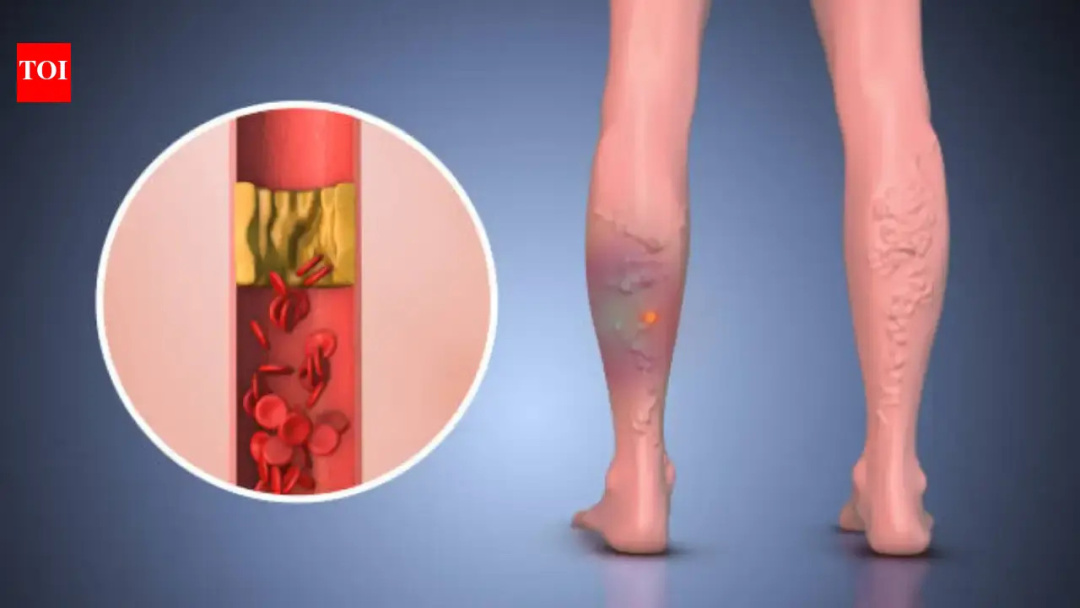
Peripheral Vascular Disease (PVD), also known as Peripheral Artery Disease (PAD), is a common condition affecting blood vessels outside the heart and brain, particularly those supplying blood to the legs and feet. This condition arises from the narrowing or blockage of arteries due to the accumulation of fatty deposits, which reduces blood flow to various parts of the body. Initial symptoms of PVD are frequently dismissed as normal signs of aging or fatigue, yet ignoring these symptoms can lead to serious complications. Recognizing and addressing these symptoms early can prevent damage and enhance quality of life.
The most prevalent symptom of PVD is pain or cramping in the legs during activities such as walking, climbing stairs, or exercising. This pain typically subsides with rest but may reoccur with physical exertion. Other symptoms may include weakness or numbness in the legs, a noticeable temperature difference between legs, slow-healing wounds or sores on the feet and toes, pale or bluish skin, shiny skin, hair loss on the legs, and diminished or absent pulses in the feet. In advanced stages, patients may experience rest pain, which can be debilitating.
Certain risk factors significantly increase the likelihood of developing PVD. Smoking is one of the most significant contributors, as it damages blood vessels and accelerates artery blockage. Individuals with diabetes, high blood pressure, high cholesterol, obesity, or existing heart disease are also at increased risk. Age is another factor, with individuals over 50 being particularly vulnerable, especially those with multiple health issues. A family history of PVD further elevates the risk.
Preventive measures can greatly reduce the chances of developing PVD. Adopting a healthy lifestyle that includes regular exercise, a balanced diet, and effective management of medical conditions is essential. Early diagnosis plays a crucial role in preventing complications. Typically, a physical examination and symptom review are conducted first, followed by tests such as Doppler ultrasound or CT angiography to assess blood flow and identify blockages.
Treatment options depend on the severity of the condition. Lifestyle modifications, including smoking cessation, a heart-healthy diet, and regular physical activity, form the foundation of management. Medications may be prescribed to enhance blood flow, prevent blood clots, and address underlying health issues. In cases of severe artery blockage, minimally invasive procedures like angioplasty and stenting may be necessary, and in more severe cases, surgical intervention could be recommended.
PVD is not merely a condition characterized by leg pain; it can signify broader arterial disease and heightens the risk of heart attacks and strokes. The encouraging aspect is that with early diagnosis and appropriate treatment, symptoms can be effectively managed, mobility improved, and the risk of complications significantly reduced. Individuals experiencing persistent leg pain during walking, non-healing wounds, or any unusual changes in their legs or feet should seek consultation with a vascular specialist. Early intervention is key to preserving limb health and maintaining overall heart health.