Vitamin K's Essential Role in Bone Health and Blood Coagulation
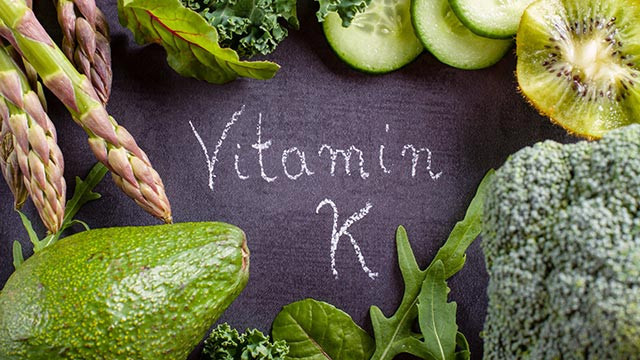
Vitamin K, often overshadowed by more well-known nutrients, is a crucial fat-soluble vitamin that performs essential functions in the body. It is primarily divided into two forms: vitamin K1 (phylloquinone), found in green leafy vegetables, and vitamin K2 (menaquinone), which is produced by bacterial fermentation and found in certain animal products and fermented foods. The body can synthesize some vitamin K2 in the gut, making deficiency uncommon in healthy individuals.
The discovery of vitamin K dates back to the 1920s when Danish scientist Henrik Dam identified its critical role in blood coagulation while studying cholesterol in chicks. His findings led to the naming of the vitamin, derived from the word "Koagulationsvitamin," due to its essential function in blood clotting. Dam's pioneering research earned him a Nobel Prize in Physiology or Medicine in 1943, highlighting the importance of this nutrient in modern health science.
Vitamin K serves as a cofactor for enzymes that activate proteins necessary for various bodily functions. Its most recognized role is in blood coagulation, where it is essential for synthesizing several proteins known as clotting factors. These proteins form a mesh that stops bleeding during injuries, and insufficient vitamin K can lead to excessive bleeding from minor wounds.
In addition to its role in coagulation, vitamin K2 is crucial for bone health. It activates osteocalcin, a protein that binds calcium and incorporates it into the bone matrix, thereby enhancing bone density and strength. Research indicates that adequate vitamin K2 intake is associated with a reduced risk of fractures, particularly in postmenopausal women who are more susceptible to osteoporosis.
Vitamin K also plays a role in calcium regulation, directing calcium to the bones while preventing its deposition in soft tissues like arteries and kidneys. This function is vital for cardiovascular health, as it helps prevent vascular calcification, which can lead to arterial stiffness.
While true vitamin K deficiency is rare, it can occur under specific conditions, such as in newborns or adults with certain health issues that impair fat absorption. Symptoms of deficiency may include easy bruising, bleeding gums, and, in severe cases, life-threatening internal bleeding.
Dietary sources of vitamin K are plentiful. Vitamin K1 is abundant in green leafy vegetables like kale, spinach, and broccoli, while vitamin K2 is found in fermented foods such as natto, cheeses, and egg yolks. Cooking methods like steaming or sautéing can enhance the intake of vitamin K-rich foods without significantly degrading the vitamin.
Vitamin K supplements are available and often included in multivitamins and bone health products. However, individuals on blood-thinning medications must manage their vitamin K intake carefully to avoid interfering with their treatment. The Recommended Daily Intake for vitamin K is 120 micrograms for men and 90 micrograms for women, easily achievable through a balanced diet rich in vegetables.
As research continues to uncover the distinct benefits of vitamin K, particularly K2, for bone and cardiovascular health, this essential nutrient is gaining recognition as a cornerstone of holistic wellness.