Study Reveals Atrazine Herbicide Harms Honey Bee Gut Tissue and Weight
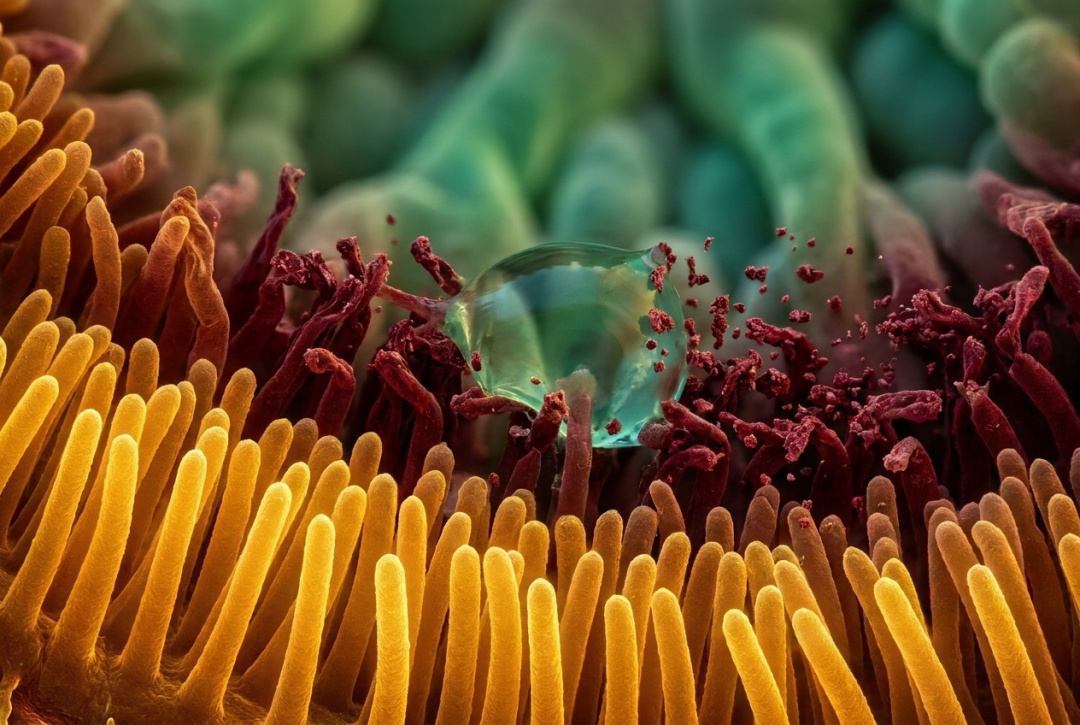
A study published in Pesticide Biochemistry and Physiology has revealed that exposure to atrazine, a commonly used herbicide, can cause significant structural damage to the midgut of honey bees and other pollinators. This research highlights the potential risks associated with atrazine, particularly at field-realistic concentrations. The study examined three bee species: the Western Honeybee (Apis mellifera), the buff-tailed bumblebee (Bombus terrestris), and the mason bee (Osmia excavata). Researchers applied three treatments: a control group with no atrazine, and two groups exposed to 20% and 50% atrazine solutions mixed with dimethyl sulfoxide. A total of 464 individual bees were used, with survival rates monitored over a ten-day exposure period. The findings indicated that honey bees exposed to atrazine experienced significant reductions in body weight and compromised intestinal integrity, particularly in the microvilli, which are essential for nutrient absorption and digestion. Co-author Hongmei Li-Byarlay, PhD, is set to present these findings at the Beyond Pesticides National Forum on October 21, 2026, where experts will discuss the broader implications of pesticide use on human health and ecosystems. The study's results contribute to an ongoing discourse about pollinator health, particularly in light of previous research indicating that various pesticides accumulate in beehive products and pose potential health risks. The authors noted that ABC transporters, which play a critical role in detoxifying pesticides, were significantly down-regulated in honey bees but up-regulated in mason bees, suggesting that mason bees may have a better capacity to detoxify atrazine. This difference in detoxification capability could explain the observed variations in gut health between the species. The research underscores the need for a comprehensive regulatory review of pesticide impacts, particularly regarding field-realistic exposures, as advocates call for a transition towards organic land management practices that protect pollinators and ecosystems. The findings are especially timely given the International Agency for Research on Cancer's classification of atrazine as probably carcinogenic to humans and ongoing concerns about its environmental impact. As the use of atrazine continues in agricultural practices, the study emphasizes the importance of understanding its effects on pollinators, which are vital for food production and biodiversity.