Dubai Longevity Authority Shapes Residential Design for Healthy Aging
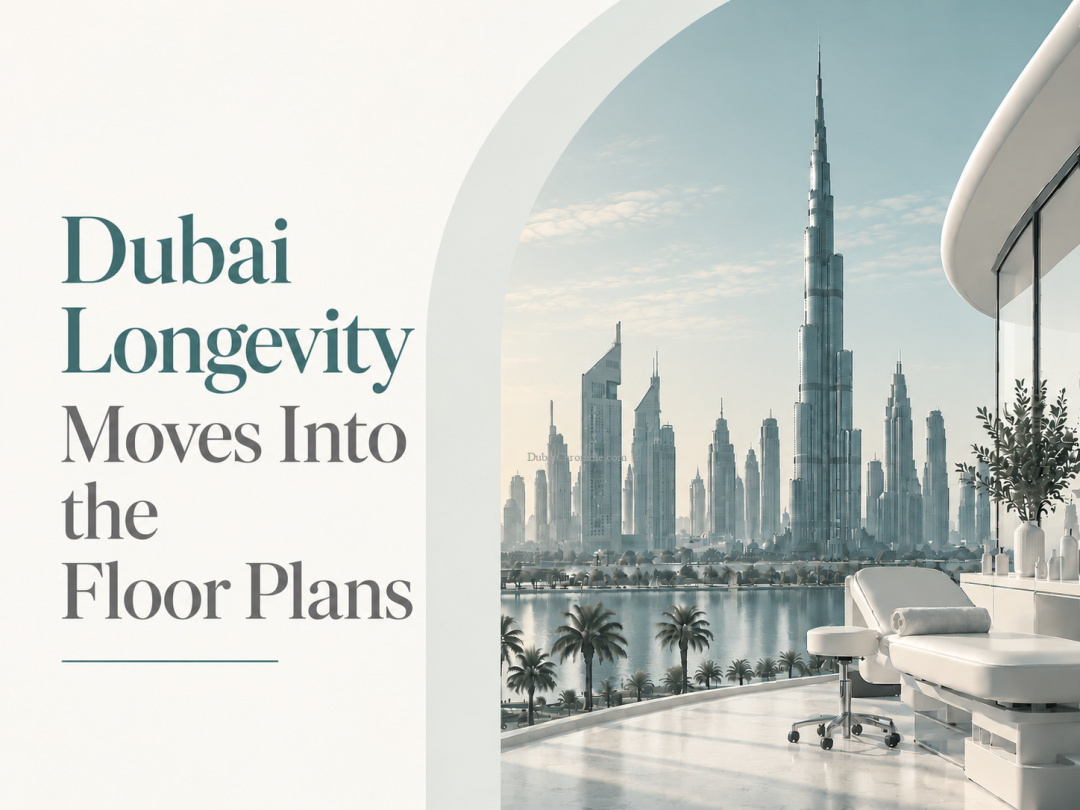
On September 27, Sheikh Hamdan bin Mohammed approved the strategy and operating budget for the Dubai Longevity Authority, marking a significant step towards regulating healthy aging in the city. Established under Law No. 17 of 2026, this authority will oversee the licensing of providers, set minimum standards, and supervise a pilot program that encompasses research, clinical trials, manufacturing, and longevity services. A notable aspect of this initiative is its influence on residential design, as it aims to integrate health and wellness into the very fabric of living spaces in Dubai.
The authority has ambitious targets, aiming for approximately 31 percent annual growth in the longevity sector and an economic contribution exceeding AED 35 billion over the next decade. However, these figures reflect aspirations rather than confirmed revenue, as the authority has yet to announce pilot companies or publish licensing rules. Until these regulations are established, no residence in Dubai can claim a regulated longevity credential, leaving any project that uses the term to define it on its own terms.
Several innovative projects in Dubai already embody the principles of health-focused architecture. For instance, Zaha Hadid Architects has designed a waterfront development for OMNIYAT that combines residential spaces with hospitality, landscape, and a dedicated wellness center. Similarly, Diller Scofidio + Renfro is working on Therme Dubai, which is set to be the tallest wellness resort globally. Other notable projects include Arada’s Akala in Za’abeel, which features a medical wellness clinic adjacent to residences and a hotel, and Six Senses Residences Dubai Marina, which offers residents access to hyperbaric therapy within an integrated longevity center.
These developments reflect a broader trend where clinical services are being integrated into residential environments. For example, a longevity clinic may be located within the building, allowing residents to access health services conveniently. The design of these residences considers factors such as light, air quality, acoustics, temperature, and water quality, which can significantly influence health without requiring conscious decisions from the residents. Features like level thresholds, wide doorways, and support rails built into cabinetry and bathrooms are designed to accommodate aging residents, ensuring that homes remain functional as their occupants grow older.
Materials used in these projects also play a crucial role in promoting health. Low-emission finishes, breathable lime plasters, slip-resistant natural stone, and solid timber are preferred over composite boards to enhance indoor air quality and safety. When evaluating a project, potential residents are encouraged to inquire about the specification schedule, focusing on the materials used rather than just aesthetic renderings, as the origin and emission ratings of these materials can provide valuable insights into the healthfulness of the living space.
Additionally, GDRFA Dubai offers a five-year retirement residence permit for individuals aged 55 and older, with options for property and income routes. While residency permits determine whether retirees can remain in Dubai, the design of their homes will dictate whether those residences remain suitable for them in the long term. The new authority aims to bridge the gap between these services and the design of living spaces.
Transport infrastructure also plays a vital role in this equation. The recent opening of Etihad Rail’s Dubai station at Jumeirah Golf Estates, which connects to the Metro via a pedestrian bridge, highlights the importance of accessibility for older residents. The ease of movement from the station to the lobby of a residence is just as critical as the transportation options themselves.
As the Dubai Longevity Authority prepares to publish its licensing rules and admit its first pilot businesses, it is clear that residential design is evolving in response to the growing emphasis on health and longevity. Developers are already positioning themselves within this market, and the most noteworthy projects will likely feature partnerships with licensed clinical providers and homes designed to adapt over time, utilizing traceable and health-promoting materials. A wellness label without these essential elements may not provide the assurance that prospective residents seek. For both residents and designers, the concept of longevity is becoming a standard in residential design, emphasizing the importance of creating environments that support longer, healthier lives.