New SNAP Regulations Raise Concerns Over Food Assistance Cuts
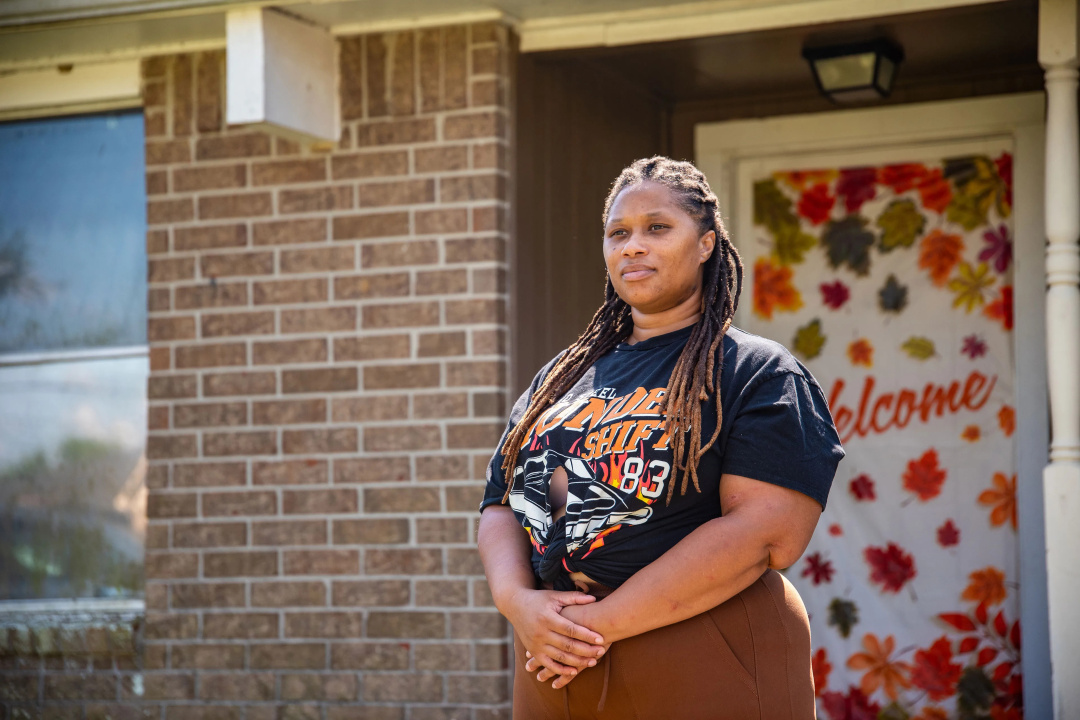
Lori Covelli, a 53-year-old unemployed social worker from Kenosha, Wisconsin, recently lost her food-stamp benefits after failing to meet the new work requirements imposed by the Supplemental Nutrition Assistance Program (SNAP). Covelli had been receiving $760 per month in aid but was informed that the program's work requirements would now extend to individuals up to age 64, as stipulated by the "One Big Beautiful Bill Act" (OBBBA) signed into law by President Trump on July 4, 2025. This change dashed her hopes of regaining benefits upon turning 54, as she had been advised by state SNAP employees to wait until her birthday for relief from the work requirements.
Covelli expressed her frustration, stating, "That's a long way off. At this point, SNAP benefits are essentially over for me." Despite applying for around ten jobs each week, she has been unable to secure employment, leaving her uncertain about her financial future amid rising grocery and utility costs. Covelli's experience is echoed by many SNAP recipients who feel that the recent changes are punitive.
In a broader context, the Food Research & Action Center (FRAC) reports that approximately 5.2 million Americans have lost SNAP benefits since the enactment of OBBBA. The current enrollment in the program is at its lowest level since 2019, with experts predicting further declines as the new regulations take effect. Starting October 1, states will be required to cover 75% of SNAP's administrative costs, up from 50%, which could lead to additional financial strain on state programs.
The new law also imposes stricter work requirements, mandating that food-stamp recipients aged 18 to 64 work or volunteer for at least 80 hours per month. Crystal FitzSimons, president of FRAC, described the changes as "absolutely unprecedented," noting that they have resulted in confusion and backlogs in state SNAP agencies as they scramble to adapt.
States like Alabama are already feeling the pressure, with officials warning that high payment error rates could lead to significant financial burdens, potentially forcing some states to withdraw from the program altogether. Arizona has seen a dramatic 53% drop in enrollment over the past year, prompting its Department of Economic Security to rapidly overhaul its processes to maintain food assistance for residents.
SNAP recipients are facing additional hurdles, including difficulties in obtaining waivers for work requirements due to health conditions. For instance, Angie Aranda from Colorado is seeking a waiver for her Crohn's disease but has struggled to get clear guidance from her state's SNAP agency. The changes have also affected families with children, as the age exemption for work requirements has been raised, impacting many parents.
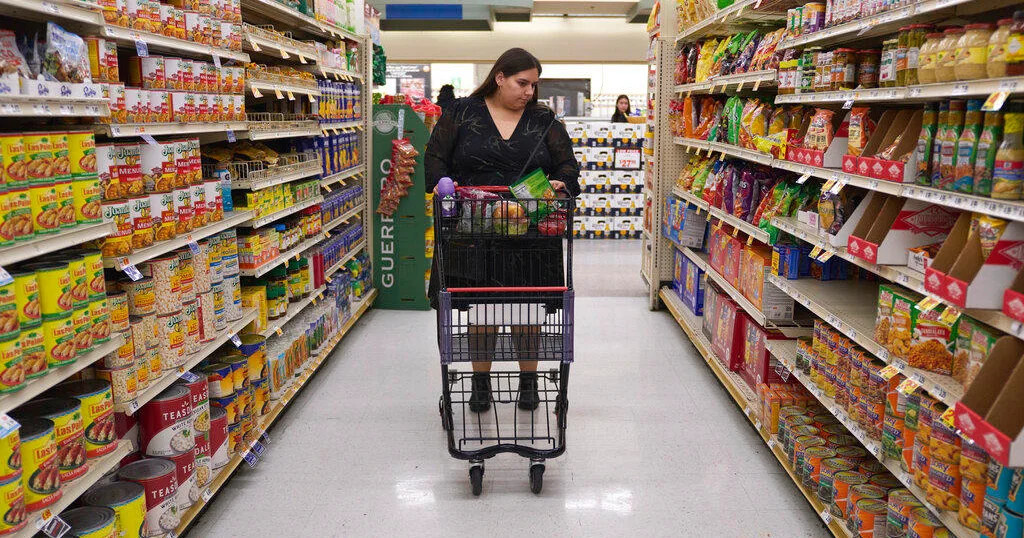
As grocery prices have surged by 32% since early 2020, the average SNAP benefit of about $6.25 per person per day is insufficient to cover basic meal costs in most U.S. counties. Many recipients report having to cut back on meals or forgo necessary prescriptions due to reduced benefits. The situation is dire for families like that of Lekishia Rivera, a single mother in Florida, who has seen her benefits drop significantly after her daughter was removed from the program.
The U.S. Department of Agriculture has halted its annual study on food insecurity, raising concerns among anti-hunger advocates about the lack of data to understand the impact of these SNAP cuts. A recent study from Purdue University indicated that food insecurity rose in the U.S. last year, with inflation and SNAP cuts cited as contributing factors. As families struggle to make ends meet, the ramifications of the OBBBA are becoming increasingly evident, with many individuals feeling the weight of these changes as they navigate a challenging economic landscape.