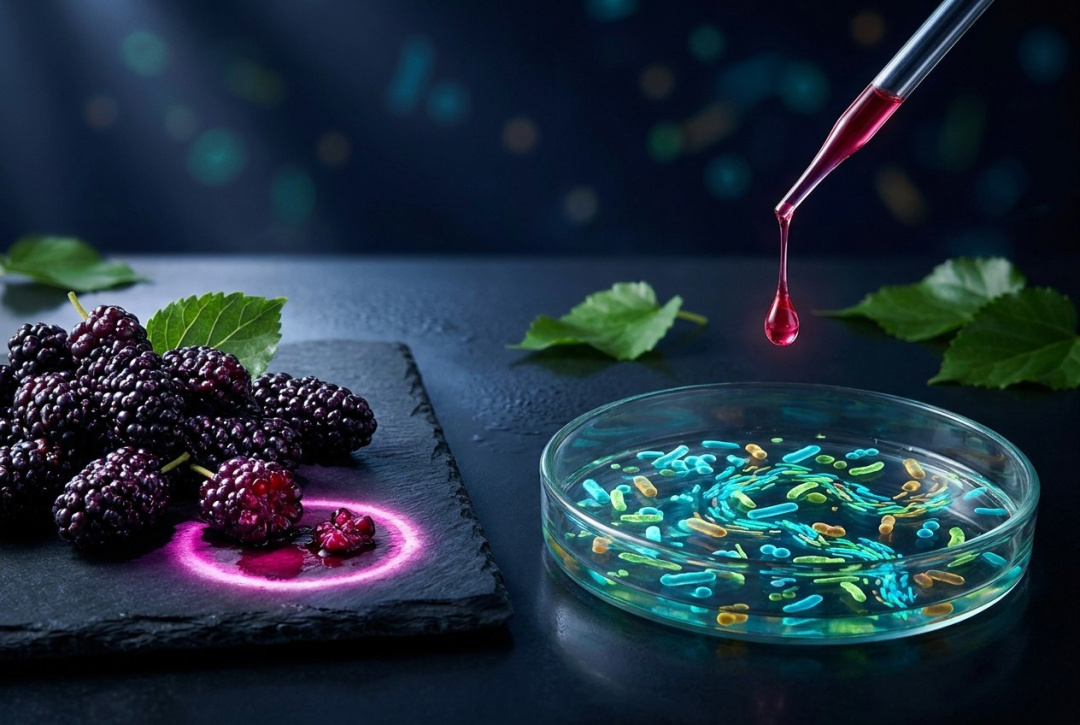
Research Highlights Mulberry's Potential to Influence Gut Health and Metabolism
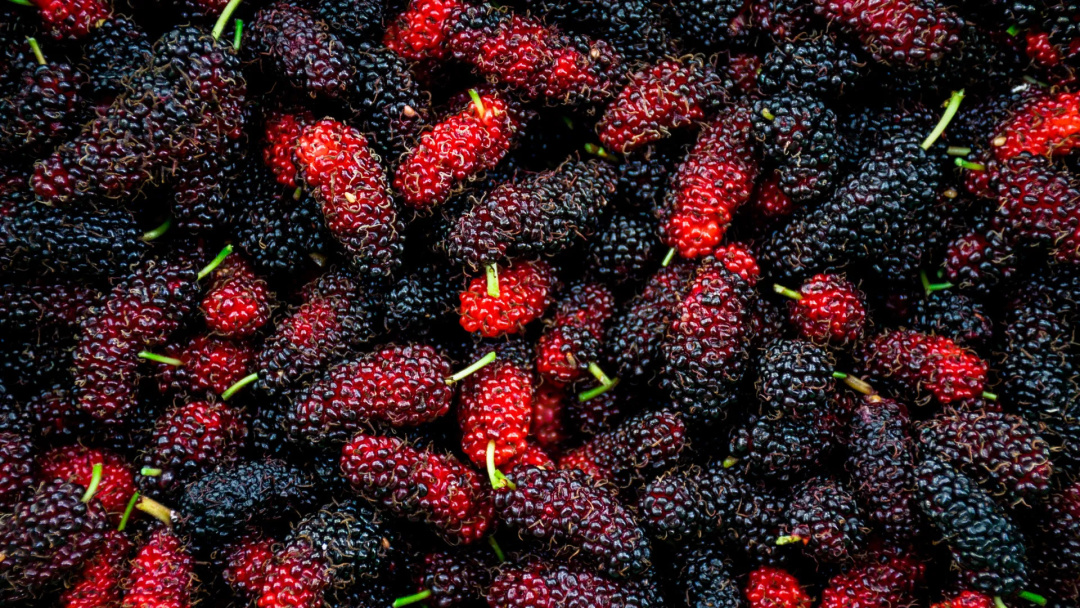
Mulberry, a plant used in traditional medicine and as food for centuries, has drawn the attention of researchers investigating its potential to influence gut microbiota and metabolism. A review involving scientists from Wroclaw Medical University highlights that the effects of mulberry depend significantly on the species, the specific part of the plant utilized, and the processing methods employed. According to Professor Anna Prescha from the university, the gut microbiota plays a crucial role in gastrointestinal function and may also influence metabolism throughout the body. Mulberry contains various bioactive compounds, including polyphenols and polysaccharides, which may interact with gut microorganisms.
Most research has focused on white mulberry (Morus alba), but black mulberry (Morus nigra) has also shown notable results, particularly its fruit. Mulberry leaves are rich in biologically active substances, including 1-deoxynojirimycin (DNJ), which affects carbohydrate metabolism, while the fruit is abundant in anthocyanins and other phenolic compounds. The processing of mulberry can significantly alter its biological effects; for instance, drying, fermentation, and extraction methods can change the composition and biological activity of the compounds.
The review indicates that both mulberry leaves and fruit can influence the composition and activity of gut microbiota. Some studies have reported beneficial shifts in gut bacteria and increased production of short-chain fatty acids, which are vital for normal intestinal function. These fatty acids are produced when gut microbes ferment dietary materials and have been linked to improvements in glucose and lipid metabolism. However, the results are not uniform across all preparations, as the specific plant material and processing methods can lead to varying outcomes.
For example, black mulberry fruit polysaccharides have been shown to have different effects based on the extraction techniques used. Researchers found that fractions produced through water extraction exhibited the strongest prebiotic potential. Similarly, studies on polysaccharides from mulberry leaves suggest that structural characteristics, such as molecular weight and monosaccharide composition, are critical in determining which bacteria can utilize these compounds and which short-chain fatty acids are produced.
Notably, some of the most compelling findings emerged from experiments involving complex mulberry preparations. In studies with mice on a high-fat diet, a combination of polyphenols and polysaccharides from white mulberry fruit resulted in more favorable changes in gut microbiota than when either fraction was administered alone. Furthermore, a microbiota transplantation experiment demonstrated that transferring gut microbiota from mice that received the combined mulberry fraction to other mice led to improvements in metabolic disturbances, suggesting that changes in the microbiota may drive the beneficial effects of mulberry preparations.
Despite these promising results, a significant gap remains in the research: no human studies have yet been conducted to directly assess how mulberry preparations affect gut microbiota. Most evidence currently relies on animal models and in vitro experiments, and comparing results across studies is challenging due to the limited investigations that combine biological findings with detailed chemical analyses of the specific mulberry preparations tested.
As Professor Prescha notes, while the findings are encouraging, they do not yet confirm whether the observed relationships between mulberry preparations, gut microbiota, and metabolism also occur in humans. Future clinical trials will need to utilize carefully characterized and standardized mulberry preparations to clarify how different products impact the human gut microbiota, the magnitude of these effects, and whether they lead to measurable health benefits.
In summary, mulberry leaves and fruit contain different compounds that may affect metabolism and gut health, but the processing methods can significantly alter their biological effects. The complexity of combining compounds may yield stronger results than using them independently, as shown in animal studies. However, the critical question remains whether these findings can be translated to human health, as no direct human studies have been conducted yet.