Raw Milk Consumption Linked to Severe Illness Raises Regulatory Concerns in California
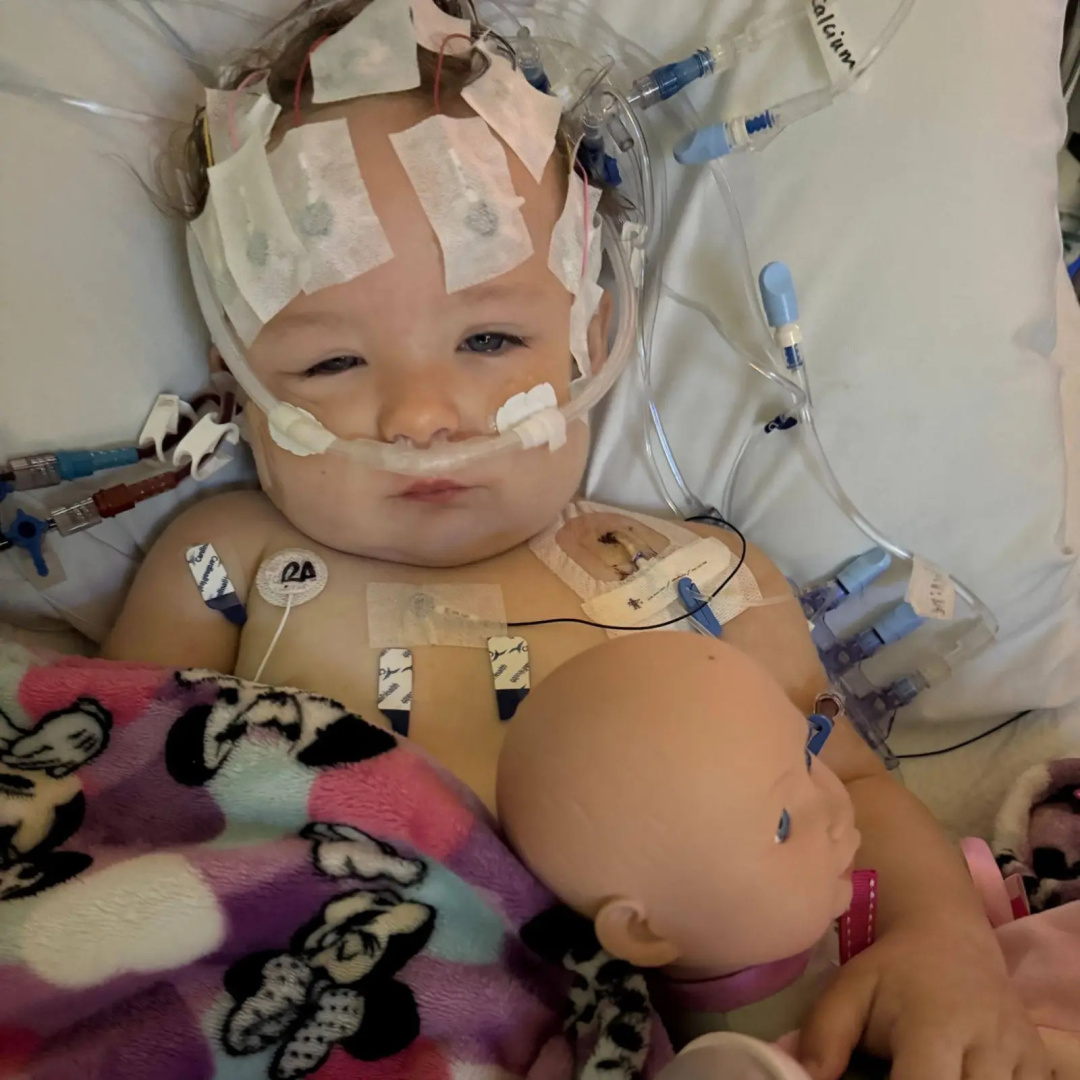
In a troubling incident in California, Emily Marris found herself in a pediatric intensive care unit, anxiously watching as her 17-month-old daughter, Brooklyn, fought for her life. The cause of this medical emergency was suspected to be raw goat milk purchased from a farm recommended in a Facebook group. Initially seeking a natural remedy for Brooklyn's constipation, Marris unwittingly exposed her daughter to a severe E. coli infection, which doctors attributed to the unpasteurized milk that had not undergone the necessary safety processes to eliminate harmful pathogens.
The case quickly escalated as another child, a six-year-old girl, also became ill after consuming milk from the same unlicensed farm, prompting regulators from the California Department of Food and Agriculture to investigate. California has a licensing system designed to regulate raw milk sales, ensuring that farms meet sanitation standards and that products are tested for pathogens. However, the milk linked to these illnesses came from a farm that was not licensed, operating outside the established safety protocols.
Marris had initially been drawn to raw milk by claims of its health benefits, which are often promoted by social media influencers and advocates. However, the reality is stark; raw milk carries a significantly higher risk of foodborne illness compared to pasteurized milk. In recent years, there have been numerous outbreaks linked to raw milk consumption across multiple states, highlighting the need for stringent regulatory oversight.
Despite the serious nature of the illnesses caused by the raw milk, the regulatory response has been lackluster. Investigators had compelling evidence, including testimonies from affected families and hospital records documenting the health impacts on the children. However, instead of pursuing punitive actions against the farm, which could have sent a strong message to other unlicensed sellers, regulators opted for a more lenient approach. The farm's owner claimed that the milk was intended for pets, exploiting a loophole in the law that allows unlicensed sales as long as products are labeled accordingly.
Marris, who had trusted the farm and its owner, Courtney Baker, felt a mix of anger and guilt as she navigated the aftermath of her daughter's illness. She had believed she was making a safe choice for her family, only to discover the risks associated with raw milk were downplayed in the community she trusted. After Brooklyn was hospitalized, Marris reached out to Baker, alerting her to the potential contamination and urging her to halt sales until the safety of the milk could be assured. However, Baker continued to advertise the milk as safe, raising further concerns about the farm's practices and the adequacy of regulatory measures in place.
This incident underscores the complexities surrounding raw milk consumption and the regulatory challenges that persist in ensuring public health. As consumer demand for raw milk continues, fueled by misinformation, the need for effective regulation and public education becomes increasingly critical. The lack of decisive action in this case may embolden other unlicensed sellers, posing ongoing risks to families seeking what they believe to be healthier alternatives. The situation calls for a reevaluation of how raw milk is regulated and the measures necessary to protect consumers from preventable health risks.