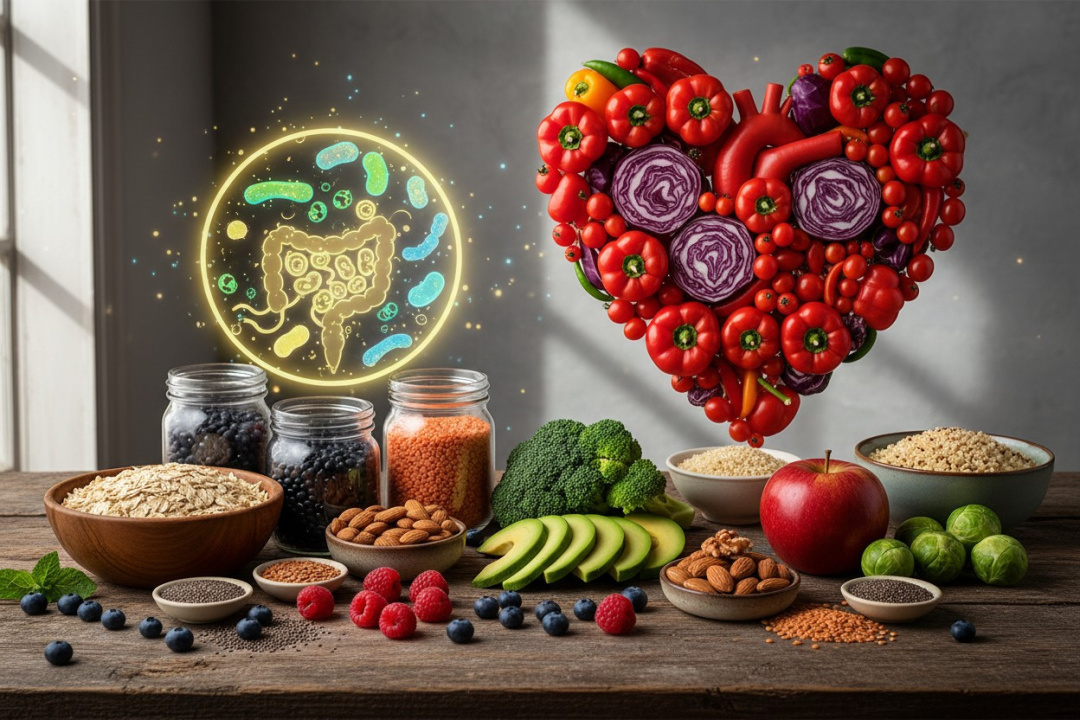
USDA Data Highlights High-Fiber Foods That Match or Exceed Pear Fiber Levels
According to recent USDA nutrition data, a medium pear provides about 5.5 grams of fiber, a crucial nutrient for digestive health. Despite the American Heart Association's recommendation of 25 to 34 grams of fiber daily, most Americans consume only about 10 to 15 grams. A 2014 Food & Fiber Summit highlighted that only 5% of Americans meet the Institute of Medicine's fiber recommendations, which vary from 19 to 38 grams depending on age and gender.
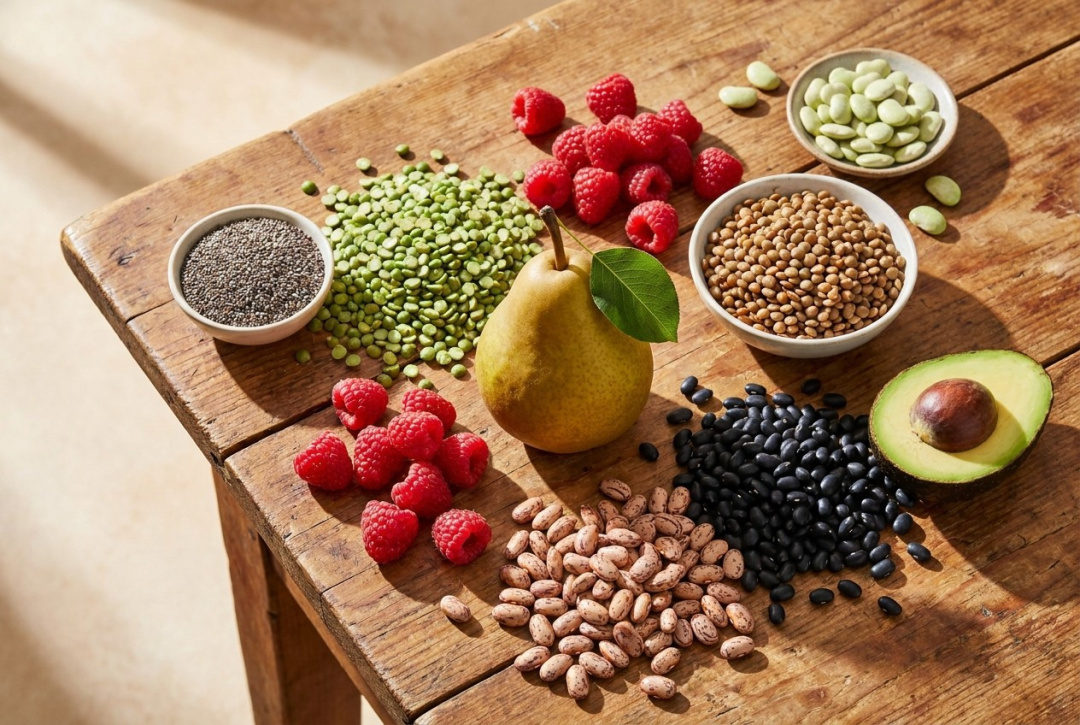
Fiber is abundant in fruits, vegetables, whole grains, legumes, and seeds. The USDA data identifies several foods that provide fiber at or above the level of a medium pear. For instance, chia seeds offer 10 grams of fiber per two tablespoons, while split peas contain 8.2 grams per half-cup cooked. Raspberries also stand out, providing 8 grams per cup.
Dietitians like Stephani Johnson and Alanna Terry recommend incorporating these high-fiber foods into meals. They suggest adding them to yogurt, oatmeal, smoothies, or soups to enhance fiber intake. The U.S. Food and Drug Administration advises that adults should aim for 20 to 30 grams of fiber daily, yet many individuals struggle to meet these guidelines due to a lack of fiber-rich foods in their diets.
Research indicates that certain fruits, such as raspberries and blackberries, are particularly beneficial for digestive health. These fruits not only provide fiber but also support the gut microbiome, reduce inflammation, and may lower the risk of chronic diseases. Other high-fiber foods include lentils, which have 7.8 grams of fiber per half-cup cooked, and various beans, such as pinto and black beans, which offer 7.7 and 7.5 grams, respectively.
Nutrition experts stress the importance of gradually increasing fiber intake and staying hydrated. They note that many people experience digestive discomfort when they suddenly boost their fiber consumption. A gradual increase allows the digestive system to adjust more comfortably.
The fiber gap in the American diet is a significant concern, contributing to various health issues, including digestive disorders and increased cardiovascular risks. Officials recommend mixing different fiber sources to help meet daily requirements. For pregnant individuals, the recommended fiber intake is around 30 grams per day, emphasizing the need for a balanced diet rich in fruits and vegetables.
In summary, the USDA data highlights several foods that can help individuals increase their fiber intake effectively. Foods like chia seeds, split peas, raspberries, lentils, and various beans not only meet but exceed the fiber content of a medium pear, making them excellent choices for enhancing dietary fiber and promoting overall health.