Study Links Dietary Patterns to Health Markers in Older Adults
A recent study has explored the intricate relationship between dietary habits and health markers in older adults, shedding light on how our food choices may impact aging. Conducted with 1,769 participants aged 60 and older, the research is part of a long-term Swedish aging study that aimed to uncover associations between diet and various health indicators, including metabolic, inflammatory, and brain health markers.
Rather than focusing on a single diet, the researchers employed three established scoring systems to evaluate the quality of participants' diets. These scoring systems assessed how closely individuals' reported food intake aligned with specific dietary patterns. The researchers then compared these scores against 54 blood markers related to metabolism, inflammation, and overall health, while controlling for factors such as age, sex, smoking status, physical activity, education level, and calorie intake.
The findings revealed that individuals with higher scores on the Alternative Mediterranean Diet and the Alternative Healthy Eating Index exhibited elevated levels of folic acid, a crucial B vitamin involved in DNA production and repair. Additionally, a Mediterranean-style diet was associated with lower levels of GFAP, a protein that is being studied as a potential marker for brain cell changes.
Moreover, participants who scored higher on the reverse-transformed inflammatory index, indicating a diet with lower inflammatory potential, showed reduced levels of insulin and leptin, along with lower counts of several inflammation-related markers, including white blood cells and alkaline phosphatase. Notably, two dietary scores were also linked to lower levels of GDF15, a protein that increases when cells experience stress, which has been associated with various age-related health issues.
While these results provide compelling insights, it is essential to approach them with caution. The study's cross-sectional design means it can identify associations but not establish causation. Some relationships appeared to weaken when accounting for chronic disease burdens, suggesting that existing health conditions may influence the observed connections.
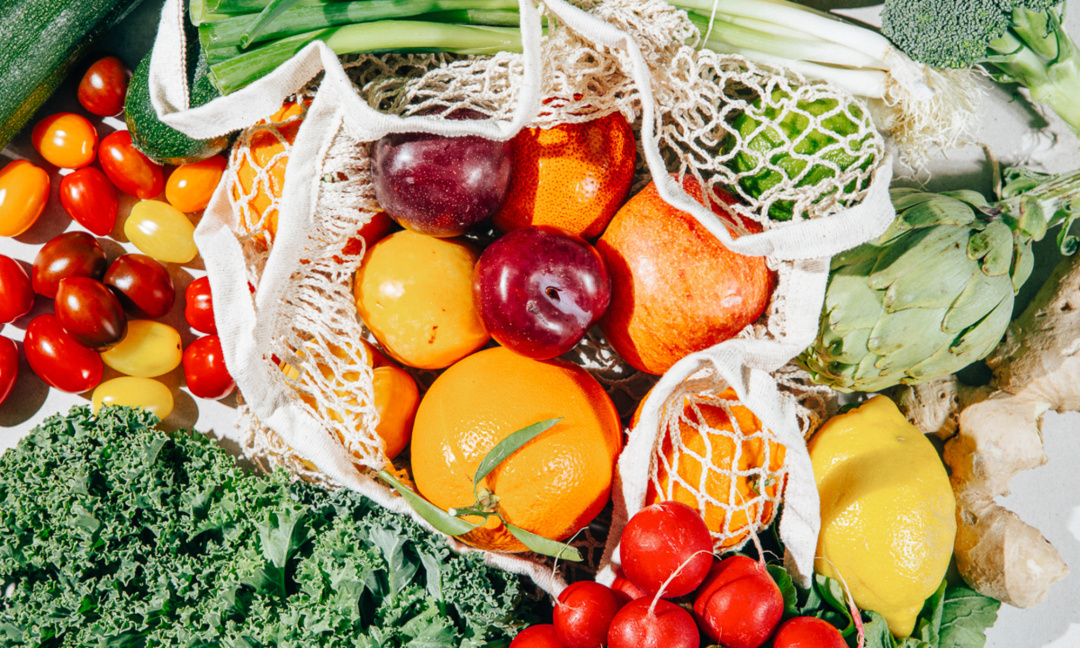
Nonetheless, the overarching pattern indicates that diets characterized by nutrient-rich foods, such as vegetables, fruits, legumes, whole grains, nuts, and fish, are associated with more favorable blood markers. This suggests that healthy aging may be less about individual superfoods and more about the overall quality of one's dietary pattern.
In summary, the study emphasizes the importance of a balanced diet in older adults, linking higher-quality diets to improved health markers related to metabolism, inflammation, and brain health. These findings may serve as a reminder to focus on a variety of nutritious foods rather than seeking out specific miracle foods for healthy aging.