Nutritional Insights and Myths About Watermelon Seeds
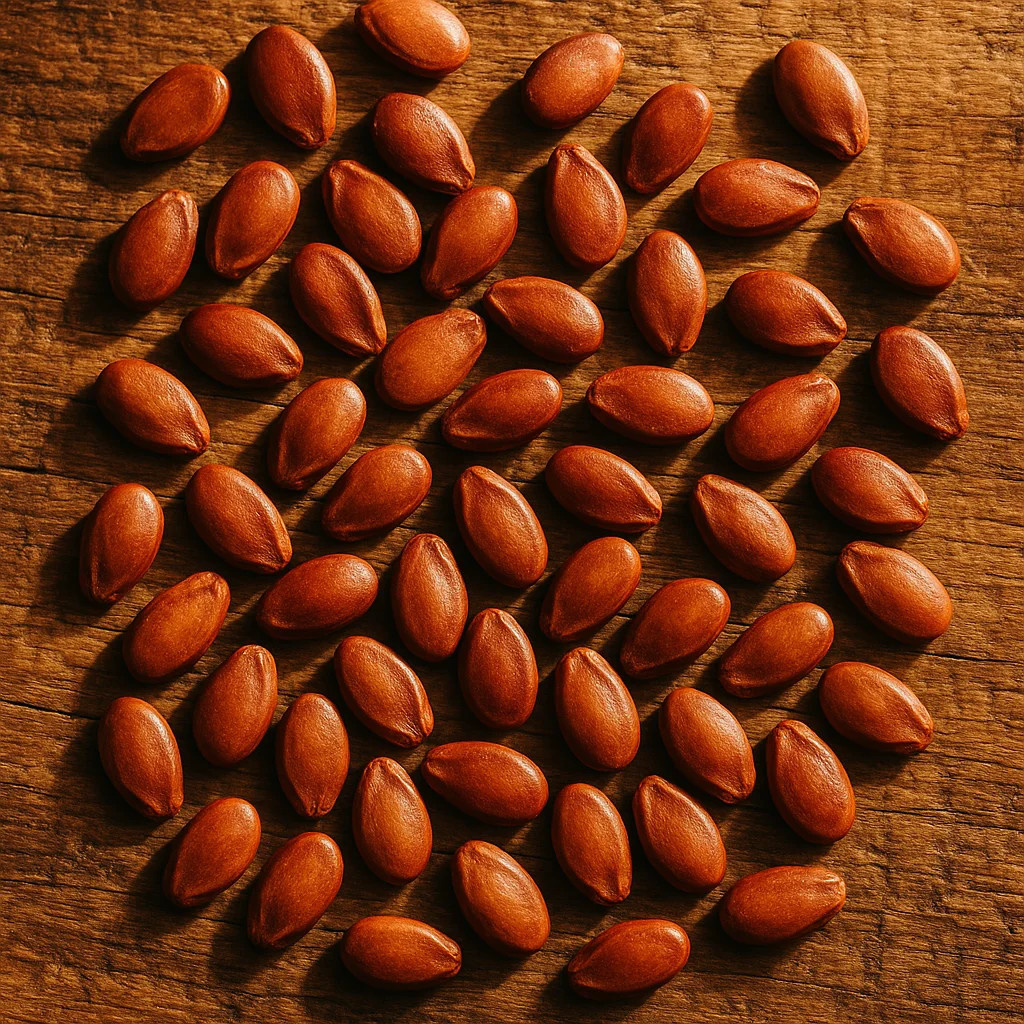
Watermelon seeds are a nutrient powerhouse, providing an impressive 35 grams of protein per 100 grams. They are also rich in magnesium and zinc, making them an excellent choice for those looking to enhance muscle function and support overall health. Contrary to some myths, watermelon seeds are completely safe to eat and are packed with nutrients. The white or tan kernels are edible, while the black outer shell is harmless. Roasted watermelon seeds are enjoyed as a snack in various cultures around the world.
One common misconception is that watermelon seeds are toxic or unsafe. In reality, they are highly nutritious and swallowing them whole does not pose any health risks. Another myth suggests that watermelon seeds contain too many calories. Each seed has minimal calories—approximately 0.5 kcal each—and a typical serving of 28 grams (about a handful) contains just 128 calories while providing 10 grams of protein, showcasing their excellent nutrient density.
Watermelon seeds also contain 2.5 grams of fiber per 100 grams, which can support digestive health rather than hinder it. While consuming them in excess may lead to bloating due to their high fiber content, moderation is key. Additionally, despite containing 20 grams of carbohydrates per 100 grams, watermelon seeds have a low glycemic index of 24, making them suitable for individuals managing blood sugar levels.
Another myth is that one must remove the seeds before eating watermelon. On the contrary, the seeds are the most nutritious part of the fruit. Rather than discarding them, they can be dried and roasted for a high-protein snack, commonly consumed in regions such as South Asia, the Middle East, and Africa.
In terms of mineral content, watermelon seeds are rich in magnesium (580 mg), zinc (6.3 mg), iron (8.5 mg), and phosphorus (626 mg), all of which are essential for bone health, immune function, and energy metabolism. They have been consumed for thousands of years, not only as food but also for their medicinal properties.
For those looking to incorporate watermelon seeds into their diet, a standard safe portion is 28 grams, which provides 128 calories and 10 grams of protein. Athletes may benefit from consuming 40-56 grams daily to support muscle recovery. However, it is advisable to monitor individual responses, especially for those with diabetes, as portion control is important to manage blood glucose levels effectively.
Overall, watermelon seeds are a highly beneficial snack that can enhance nutrient intake and contribute to a balanced diet. They can be enjoyed raw or roasted, with the latter offering improved digestibility and flavor. Proper storage in an airtight container in a cool, dark place can extend their shelf life for several months, ensuring that this nutritious snack is always on hand.