Circadian Rhythm Interventions Show Promise for Stroke Recovery in Mice
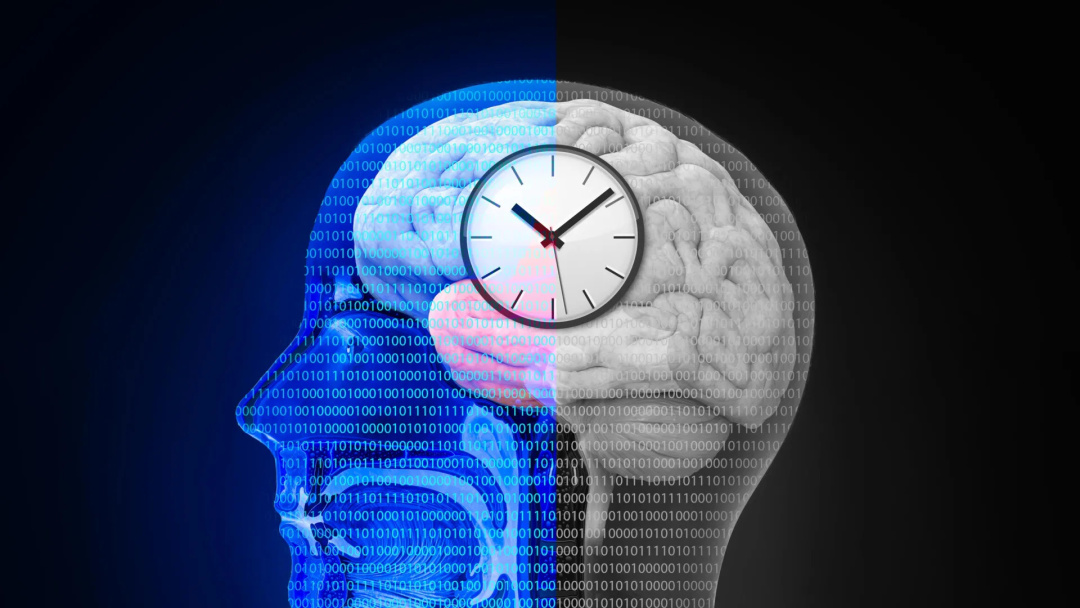
Scientists at the University of Rochester Medicine have made significant strides in understanding how strengthening the body's natural daily rhythms can aid brain recovery after a stroke. Their research, published in the Journal of Clinical Investigation, suggests that interventions aimed at reinforcing circadian rhythms may enhance the brain's waste-clearing capabilities and improve recovery outcomes long after the initial injury.
In their study, the researchers focused on mouse models of stroke and found that interventions designed to support circadian rhythms led to notable improvements in recovery. Specifically, they observed enhanced activity in the glymphatic system, which is responsible for clearing waste from the brain, alongside reduced levels of inflammatory molecules that can linger post-stroke.
This work builds on over a decade of research led by neuroscientist Maiken Nedergaard, who first identified the glymphatic system in 2012. This system facilitates the movement of cerebrospinal fluid through the brain, helping to remove waste products and debris. Subsequent studies revealed that glymphatic activity peaks during sleep and is crucial for maintaining brain health.
Neuroscientist Lauren Hablitz, the lead author of the new study, noted that the glymphatic system's function is influenced not only by sleep but also by circadian rhythms, the body's internal clock. In a landmark study in 2020, Hablitz and her team established a direct link between circadian biology and the brain's waste-clearing system.
The researchers pointed out that strokes are not merely vascular events; they also disrupt the timing mechanisms within the brain. Strokes tend to occur more frequently in the morning and can be more severe towards the end of the sleep period. Many stroke patients experience disrupted sleep-wake cycles, which have been associated with poorer recovery outcomes, depression, and reduced quality of life. This prompted the researchers to investigate whether reinforcing the biological clock could enhance recovery.
The glymphatic system operates by transporting cerebrospinal fluid along blood vessels and through brain tissue, delivering nutrients while clearing waste and inflammatory signals. Previous research indicated that glymphatic function is compromised after a stroke, which may hinder the brain's ability to eliminate harmful molecules that accumulate during recovery.
Hablitz and her colleagues propose that the issue may not only stem from harmful inflammation but also from the brain's impaired cleaning mechanisms. "If the system responsible for clearing signaling molecules isn't functioning properly, everything builds up," she explained.
To explore whether stronger circadian rhythms could facilitate recovery, the researchers tested several interventions known to influence the body's internal clock, including timed light exposure, melatonin, a drug called KL001 that targets the biological clock, and time-restricted feeding. They first demonstrated that these interventions could enhance glymphatic function in healthy animals before applying the most promising strategies, KL001 and time-restricted feeding, to stroke models.
Remarkably, treatment began three days post-stroke, well beyond the typical window for acute interventions. Despite this delay, mice receiving either intervention showed improved motor recovery, reduced lesion volumes, enhanced glymphatic flow, and lower inflammatory cytokine levels in the brain. Hablitz noted that the cytokines moved in a favorable direction, suggesting a broader improvement in the brain's ability to clear inflammatory signals.
Among the interventions, time-restricted feeding emerged as particularly promising. This behavioral approach, already under investigation for various health conditions, could be more easily implemented outside specialized medical settings, making it a viable option for stroke rehabilitation.
While the findings are currently limited to animal models, the researchers emphasize the need for further studies to clarify the relationships between circadian rhythms, glymphatic function, and inflammation in stroke recovery. Future research will also aim to determine whether improved glymphatic flow directly contributes to better recovery and if circadian-based interventions can be effectively tested in clinical trials.
Overall, this study underscores the growing recognition in neuroscience of the critical roles that sleep, circadian rhythms, and fluid movement play in brain health. By deepening our understanding of how the brain's internal clock regulates the glymphatic system, researchers hope to identify new strategies for enhancing recovery not only after strokes but also in other neurological conditions characterized by inflammation and impaired waste clearance.
Hablitz concluded, "Understanding how circadian regulation shapes glymphatic clearance will help us develop more targeted therapies. Ultimately, our goal is to find ways to improve the brain's ability to clear waste, reduce inflammation, and recover after injury."