Health Risks of Handling Grocery Store Receipts: The Role of Bisphenols
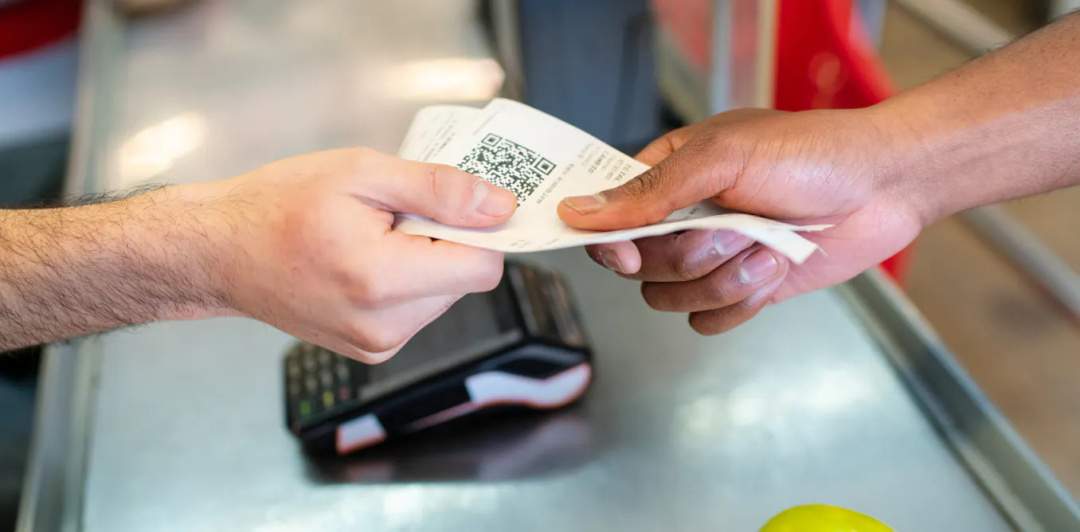
Concerns about the safety of handling grocery store receipts have been raised, particularly regarding the presence of bisphenols, chemicals used in thermal paper. A study from the Center for Environmental Health indicated that even brief contact with these receipts could lead to exposure to harmful levels of these substances. Bisphenols, such as bisphenol A (BPA) and bisphenol S (BPS), are known endocrine disruptors that can interfere with hormonal functions in the body. These chemicals are commonly found in various consumer products, including plastics and coatings, and have been linked to health issues such as heart disease, diabetes, and developmental problems in fetuses. While the average exposure from handling receipts is estimated to be significantly lower than safety standards set by health authorities, workers who frequently handle receipts may face higher exposure levels. For most individuals, the risk associated with handling receipts is low, but those who are pregnant or have certain health conditions may wish to minimize contact. Practical steps include opting for electronic receipts or limiting direct handling of paper receipts. Overall, while bisphenols have raised health concerns, the primary sources of exposure remain food and beverage containers rather than receipts. It is important to note that while many manufacturers have phased out BPA, alternatives like BPS may still pose similar risks. As awareness grows, some companies are moving towards bisphenol-free thermal paper to further reduce potential health impacts. In summary, although handling receipts is generally safe for most, individuals in sensitive categories should remain cautious and consider practical measures to minimize their exposure.