Study Reveals Gut Health and Protein Changes in Astronauts During Spaceflight
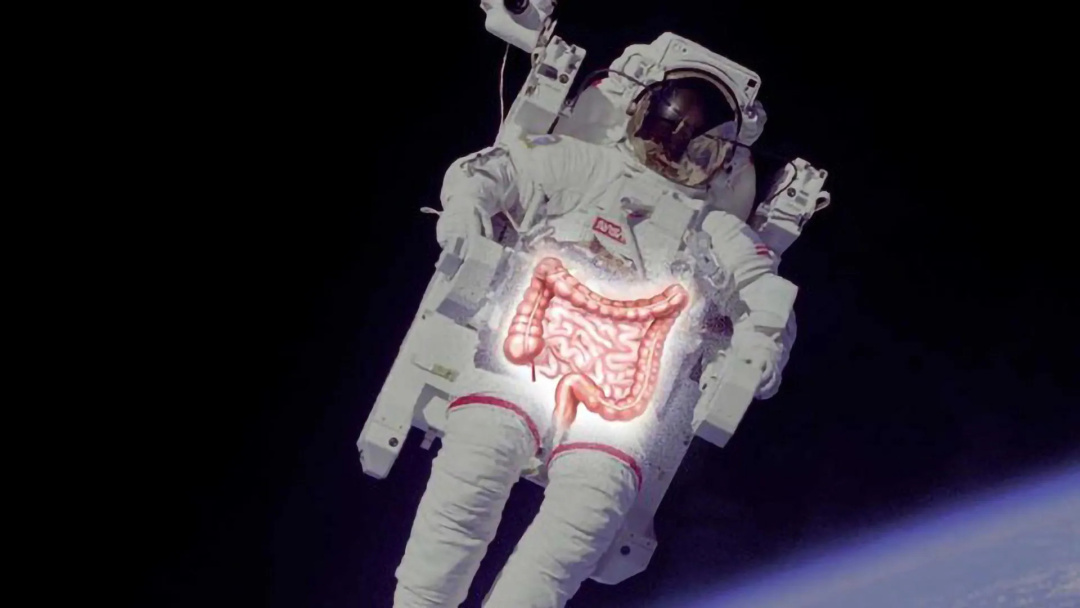
Constipation is a well-known issue for astronauts, but the underlying reasons for this disruption in normal digestion during spaceflight have not been fully understood. Recent research conducted by the University of Copenhagen in collaboration with NASA sheds light on this matter. The study analyzed blood samples from 52 astronauts who spent extended periods aboard the International Space Station (ISS) and found that changes in the digestive system begin relatively soon after leaving Earth.
Joint first author Giorgia La Barbera, an associate professor at the Department of Nutrition, Exercise and Sports, noted that the blood samples showed indications that gut bacteria start to ferment protein more than usual within weeks of arriving in space, and this trend continues until the astronauts return to Earth. This process of protein fermentation occurs when intestinal bacteria begin breaking down protein instead of fiber, as the available dietary fiber has already been utilized.
The researchers suspect that the microgravity environment may slow down the movement of food through the digestive tract. When food remains in the intestines for a longer period, bacteria have more time to shift towards protein fermentation, which may contribute to the constipation experienced by astronauts. Co-author Henrik Roager, also an associate professor in the same department, explained that the lack of gravity likely causes food to transit more slowly through the intestines, aligning with the observed increase in protein fermentation.
The study's findings are based on an investigation of metabolites in the astronauts' blood. These metabolites are small molecules that circulate in the bloodstream and can provide insights into various bodily functions, including diet and metabolism. Changes in gut health can influence other body systems, including the brain. Senior author Lars Ove Dragsted highlighted that products of protein fermentation are often linked to negative health outcomes, such as kidney damage and potential impacts on mood and cognitive function.
As space agencies prepare for longer missions to the Moon and Mars, these findings could become increasingly significant. Astronauts on such journeys will spend much more time away from Earth's gravitational influence than those currently aboard the ISS. La Barbera emphasized the need for potential countermeasures to mitigate the adverse effects of space travel on the intestines during these extended missions.
The researchers suggest that several strategies could help alleviate these digestive changes. Interventions may include increasing dietary fiber, supplementing with prebiotics, or implementing treatments that promote peristalsis—coordinated muscle contractions that move food through the digestive system. By supporting peristalsis, it may be possible to reduce the time food spends in the intestines, thereby minimizing excessive protein fermentation and fostering a healthier gut environment.
The implications of this research extend beyond spaceflight. Individuals who are bedridden or spend long periods confined to a bed often face similar constipation issues. The researchers propose that slowed intestinal movement in these patients could lead to comparable changes in gut fermentation, suggesting that insights from astronaut studies may inform better care for these individuals.
Overall, the study reveals that protein fermentation increases when astronauts transition to microgravity, with potential consequences for both their digestive health and overall well-being. The unique nature of the astronaut data, collected from various missions over the years, enhances the reliability of the findings, providing a clearer picture of how spaceflight affects human metabolism.