Top Iron-Rich Meats to Enhance Energy and Muscle Health
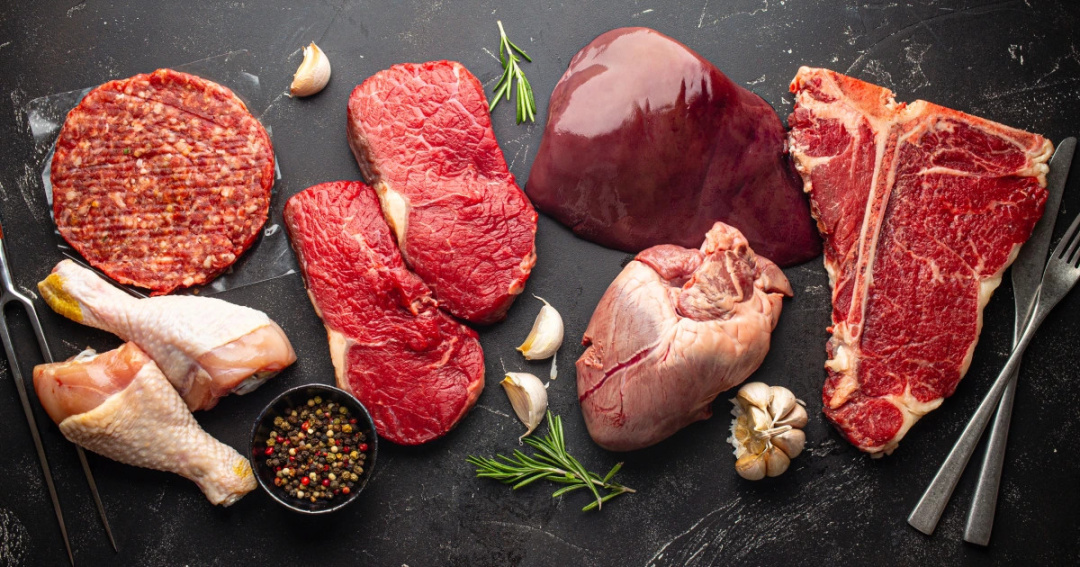
Iron is an essential nutrient that plays a vital role in numerous bodily functions, including the formation of red blood cells, energy production, and immune support. It is particularly important for pregnant women and children due to its role in healthy cell growth. Dietitian Sibylle Kranz notes that iron is a key component of hemoglobin, which transports oxygen in the blood, and myoglobin, which helps muscles use oxygen effectively. Despite its importance, many individuals do not consume enough iron, with certain groups at higher risk for deficiency, including pregnant women, vegetarians, and those with gastrointestinal disorders. Low iron levels can lead to anemia, characterized by symptoms such as fatigue and weakness. To combat this, increasing the intake of iron-rich foods is recommended. Kranz highlights that meats, especially lean varieties and seafood, are among the best sources of iron for those who consume animal products. There are two forms of dietary iron: heme iron, found in animal sources, and non-heme iron, which comes from plant foods. Heme iron is more readily absorbed by the body, making meat an efficient source of this nutrient. Here are some of the meats that provide the most iron per serving: Chicken liver is exceptionally rich in iron, with three ounces offering about 11 milligrams, which is more than 60% of the daily recommended intake. It is also a good source of complete protein and various vitamins. Shellfish, particularly oysters, are another excellent source, with a serving containing approximately 7.8 milligrams of iron. Mussels also contribute significantly, providing nearly 6 milligrams per three-ounce serving. Duck breast offers about 4 milligrams of iron per serving and is rich in other nutrients as well. Bison, a lean meat option, contains over 3.2 milligrams of iron in a four-ounce serving. Sardines, packed in oil, provide nearly 3 milligrams per can, making them a convenient and nutritious choice. Lastly, while beef is often recognized for its iron content, it provides about 2.5 milligrams per serving, which is lower than some other meats but still a valuable source of this essential mineral. In addition to these meats, incorporating iron-rich plant foods such as lentils and spinach can further enhance dietary iron intake, ensuring a balanced approach to nutrition.