Rising Diesel Prices Reach Record Highs, Impacting Food Access and Costs
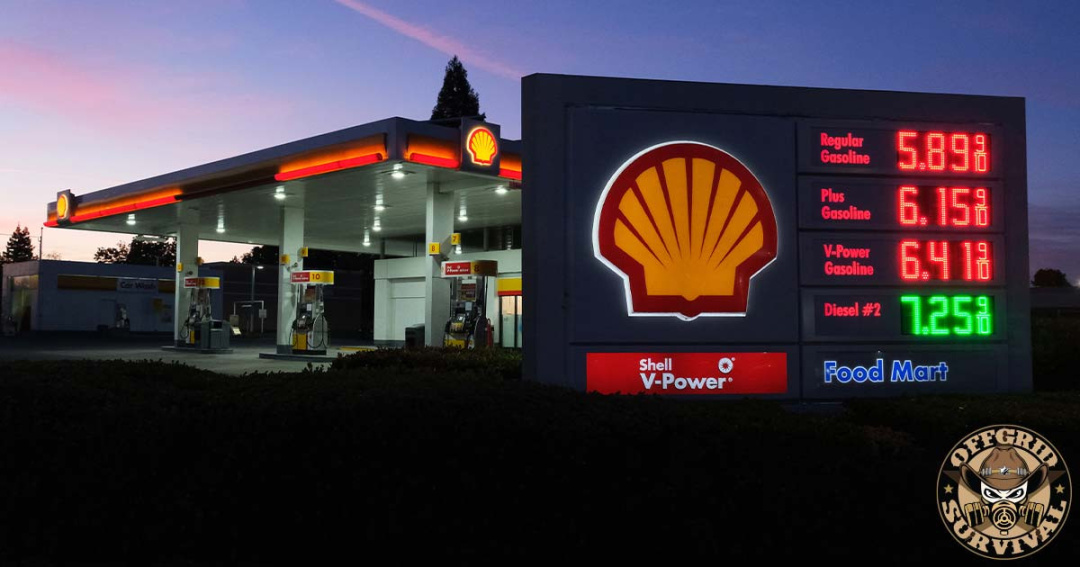
On September 22, AAA reported that the average price of diesel in the United States reached a record high of $6.53 per gallon, continuing to hover around $6.50 in the days following. This marks a significant increase from the $3.69 per gallon that Americans were paying just a year ago. The situation has escalated from a crude oil issue to a refined fuel crisis, particularly affecting diesel supply, which is critical for various sectors, including agriculture and food distribution.
The Energy Information Administration's report for the week ending September 18 revealed a troubling trend: while U.S. commercial crude inventories rose by 3 million barrels to 426.4 million, distillate stocks, which include diesel and heating oil, fell by 0.4 million barrels to 107.5 million. This figure is now 12% below the five-year average for this time of year, translating to a shortfall of approximately 15 million barrels, or over 600 million gallons of diesel and heating oil that are not available as the country heads into winter.
Globally, the diesel supply is also strained, with reports indicating that Ukrainian drone strikes have impacted Russian refinery operations, further complicating the situation. In France, a significant percentage of fuel stations faced shortages, highlighting the interconnectedness of the global fuel market. As European buyers seek diesel from the U.S., the increased demand is likely to exacerbate the already high prices at local truck stops.
The implications of these rising diesel prices are profound, particularly for farmers and food banks. For instance, Addie Yoder, a farmer in northeast Missouri, noted that filling a single combine can cost nearly $2,000 at current diesel prices. This financial strain forces farmers to make difficult decisions about their operations, potentially affecting future crop yields. Similarly, food banks like the Atlanta Community Food Bank are facing increased costs, with an additional $100,000 needed for diesel this year, which could have provided approximately 122,000 meals to families in need.
School districts are also feeling the pinch. Cherry Creek Schools in Colorado anticipates an additional $500,000 in fuel costs this year, leading to potential cutbacks in services and longer bus routes for students. As these costs rise, the impact on families is significant, particularly those already struggling with food affordability.
Economists warn that the ripple effects of high diesel prices will likely lead to increased grocery prices, with estimates suggesting that inflation could rise to 3.6% by December, primarily driven by fuel costs. This situation underscores the reality that while grocery stores may have food available, many families may find it increasingly difficult to afford what is on the shelves.
In response to these challenges, discussions have emerged regarding a potential ban on diesel exports to keep more fuel within the U.S. However, experts caution that such measures could lead to regional shortages and further complicate the supply chain. The ongoing situation highlights the critical need for careful monitoring and strategic responses to ensure food access remains viable for all Americans during this challenging time.