Dietary Choices Impacting Gallbladder Health: Foods to Eat and Avoid

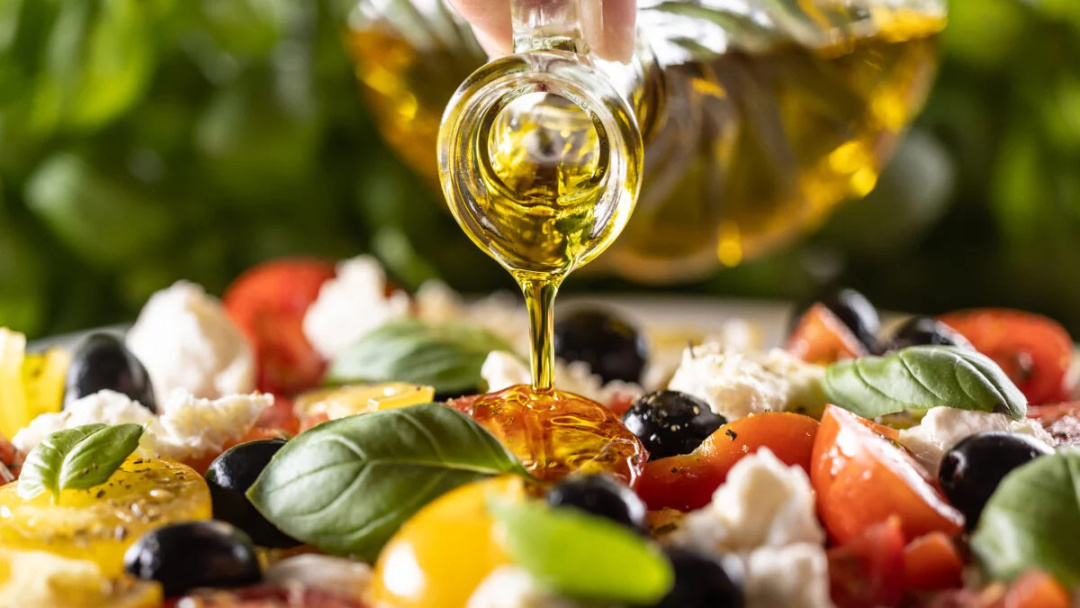
Research indicates that certain dietary patterns and foods are associated with a lower risk of gallbladder disease, while others are linked to a higher risk. A 2018 study reported that adherence to Mediterranean and DASH diets was associated with a 35% lower risk of gallbladder disease symptoms in men. These diets emphasize the consumption of fruits, vegetables, whole grains, nuts, legumes, fish, seafood, and olive oil, with the DASH diet also including low-fat dairy.
Additionally, individuals who consume at least four cups of coffee daily are less likely to develop gallbladder disease, as caffeine in coffee is believed to enhance bile flow. A meta-analysis encompassing 18 studies found that drinking one cup of coffee per day is associated with a 15% reduction in liver cancer risk, further supporting the potential health benefits of coffee consumption.
Research suggests that monounsaturated and polyunsaturated fats may help prevent gallstone formation and facilitate gallbladder contraction. Foods rich in fiber, such as fruits and vegetables, may aid in digestion and reduce bile acid production. Citrus fruits and foods high in vitamin C are also noted for their potential protective effects against gallbladder issues.
Vitamin E has been identified as another nutrient that may offer protection against gallstones. Herbal remedies like milk thistle, known for its liver detoxifying properties, have been used for centuries in traditional medicine. Dandelion roots are also recognized for their ability to improve digestion and stimulate the body's natural cleansing processes.
Black radish juice has demonstrated significant antioxidant properties and free radical scavenging activity in laboratory studies. A half-cup serving of sliced radishes contains approximately 12 calories and virtually no fat, while providing about 14% of the recommended daily allowance of vitamin C.
Conversely, the consumption of fast food, trans fats, saturated fats, low-fiber foods, refined carbohydrates, and added sugars has been linked to an increased risk of gallbladder disorders. High intake of saturated and trans fats can elevate cholesterol levels, contributing to gallstone formation. Research indicates that consuming 40 grams of sugar daily can double the risk of gallstone development.
Both high-calorie and very low-calorie diets, including rapid weight loss, can increase the risk of gallstones. Experts recommend a gradual weight loss approach of about one to two pounds per week as the safest method.
Processed foods are generally considered unhealthy and may promote chronic degenerative diseases while contributing to obesity. Although fast food is marketed for its convenience, it often lacks nutritional value, which can have negative health implications.
After gallbladder removal, bile flows directly into the small intestine, which may lead to symptoms such as nausea, diarrhea, bloating, and abdominal pain. Studies suggest that reducing fatty food intake and increasing fiber consumption may help alleviate these symptoms. Doctors typically recommend avoiding fried, greasy, and high-fat foods for several weeks post-surgery, along with eating smaller, more frequent meals.
Fiber-rich foods include whole grains like oats, brown rice, and barley, as well as fruits, vegetables, legumes, and beans. Oily stools may indicate poor fat digestion, possibly due to insufficient bile release from the gallbladder, and reducing dietary fat may help address this issue.
Lecithin, known for its cholesterol-lowering properties, can be a beneficial addition to the diet and is available in various forms, including granules, bottled oil, and capsules. In some cases, gallstones can cause significant inflammation in the ducts and gallbladder, necessitating surgical intervention.
Dietary patterns such as the Mediterranean, DASH, vegetarian, and high-fiber diets are associated with a lower risk of gallbladder disease, according to various studies. Individuals experiencing gallbladder symptoms or those who have undergone surgery should seek personalized advice from healthcare professionals. Ongoing research continues to explore the relationship between specific foods and gallbladder health.