Helsingborg's Innovative Wastewater Management: A Model for Resource Recovery
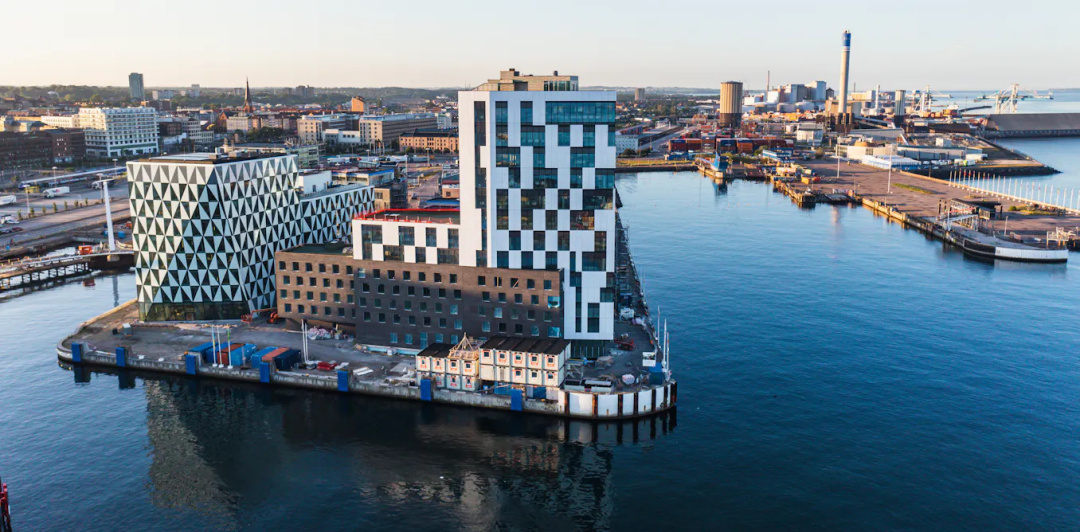
In response to increasing water scarcity driven by extreme temperatures, droughts, and wildfires, the city of Helsingborg in southern Sweden is implementing an innovative wastewater management system in its new district, Oceanhamnen. This system collects wastewater through three distinct pipelines: one for blackwater (toilet wastewater), one for greywater (from sinks, showers, and laundry), and a third for food waste. This method, known as source separation, is designed to enhance the efficiency of wastewater processing and resource recovery.
Currently, Sweden recycles only about 0.6% of its wastewater, while many Middle Eastern countries, such as Qatar, achieve rates as high as 90%. As 15 out of 21 counties in Sweden face a high risk of water scarcity, the Oceanhamnen project represents a significant step toward addressing this issue. By separating blackwater from greywater, the treatment process becomes more efficient, allowing for better recovery of water and nutrients.
According to RecoLab, the company responsible for treating wastewater in Oceanhamnen, source separation facilitates the recovery of various resources. Greywater, being less contaminated than blackwater, is easier to recycle and can be treated using conventional methods like activated sludge processes or more natural approaches, such as filtration through wetlands. The city plans to utilize treated greywater for toilet flushing and irrigation, potentially even in a new public swimming pool, pending quality assessments.
In addition to water recovery, the project also focuses on energy production. Blackwater and food waste are excellent sources for biogas, with blackwater producing approximately 80% more methane than mixed wastewater. The nutrients found in blackwater, such as nitrogen and phosphorus, can be transformed into organic fertilizers, offering a sustainable alternative to mineral fertilizers.
Despite the potential benefits, challenges remain in the public perception of wastewater reuse, particularly in agriculture. Concerns about pathogens and contaminants, including pharmaceuticals, must be addressed to gain public trust. The World Health Organization provides guidelines for the safe use of source-separated wastewater, indicating that greywater generally has fewer pathogens than blackwater and can be safely used for irrigation with appropriate risk management measures.
Legal frameworks and public acceptance are critical for the successful implementation of wastewater recycling initiatives. While the Oceanhamnen project demonstrates a promising model for urban water management, it also highlights the need for ongoing dialogue about the safety and efficacy of using treated wastewater in various applications. As cities around the world grapple with water scarcity, innovative solutions like those in Helsingborg could pave the way for more sustainable water resource management practices.