Drought Impacts Forests' Ability to Absorb CO₂, Raising Climate Concerns
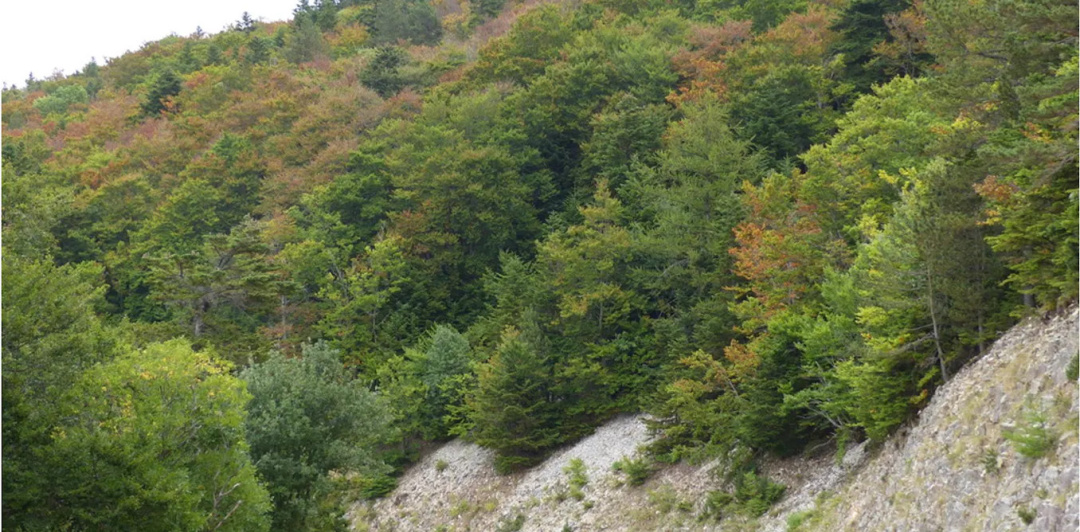
To survive during periods of drought, trees halt photosynthesis, a water-intensive process that releases approximately 400 water molecules for every molecule of CO₂ absorbed by a leaf. This shift can result in entire forests emitting more CO₂ than they capture, a troubling development given the increasing frequency of droughts and the essential role forests play in climate change mitigation. It is estimated that forests capture about a quarter of the CO₂ emitted by human activities, but extreme water shortages can disrupt this balance.
Tree leaves serve as the primary entry point for CO₂ into the forest ecosystem, acting as chemical factories that convert CO₂ into sugars through photosynthesis. These sugars are vital for the tree's energy needs and growth, enabling them to store more CO₂. However, the process of opening stomata—tiny slits on leaves that allow CO₂ to enter—also leads to significant water loss through transpiration. This natural process can result in the loss of hundreds of liters of water per day, depending on the size of the tree and environmental conditions.
The hydraulic system of trees, which transports water from roots to leaves, relies on the evaporation of water at the stomata to create a tension that pulls water upwards. This mechanism, known as tension-cohesion, operates without energy expenditure from the tree. However, during extreme drought conditions, the pressure required to lift water can lead to cavitation, where air bubbles form in the water transport system, causing it to fail. This failure results in dehydration of leaves and other tissues, potentially leading to irreversible damage.
Cavitation often occurs during severe droughts, exacerbated by heatwaves that dry out both the soil and the atmosphere. Trees face a dilemma in these conditions: they must decide whether to open their stomata for photosynthesis or close them to conserve water and protect their hydraulic system. The evolutionary adaptations of trees allow them to dynamically regulate stomatal opening, but all vascular plants tend to close their stomata during drought.
As a result, forests may continue to emit CO₂ due to the consumption of sugars for metabolism and the death of trees that release stored carbon back into the atmosphere. The vulnerability to drought varies among tree species, with some having more resilient hydraulic systems than others. For instance, birch trees may close their stomata earlier than holm oaks, which can withstand drought better.
Climate change poses a significant threat to forests, as increasing drought frequency can push trees beyond their adaptive limits. Even after stomata close, residual water loss can lead to leaf drop and vascular embolism, ultimately resulting in tree death. To understand and predict forests' ability to act as carbon sinks, it is crucial to monitor water availability over time and space.
While some argue that increased atmospheric CO₂ could promote vegetation growth, this perspective overlooks the detrimental effects of climate change, including more severe droughts. Even if trees have sufficient water, higher CO₂ levels can reduce stomatal opening, conserving water but also diminishing transpiration and forest-driven rainfall recycling. This reduction can have cascading effects on regional climates, as seen in the Amazon basin, where transpired water contributes significantly to rainfall.
In conclusion, the interplay between water availability and forest health is vital for maintaining forests as effective carbon sinks. Understanding these dynamics is essential for addressing the challenges posed by climate change and ensuring the resilience of forest ecosystems.