Food Safety Concerns Rise Amid Midterm Elections and Public Health Issues
The lead-up to the midterm elections has seen food safety emerge as a pressing issue for voters, particularly following a significant foodborne illness outbreak this summer that affected many individuals and resulted in the recall of thousands of pounds of imported meat. This situation has sparked national conversations about the safety of the U.S. food supply, with late-night talk show hosts humorously addressing the symptoms of those affected, which included severe gastrointestinal distress. Major restaurant chains such as Chipotle and Taco Bell responded by removing potentially contaminated ingredients from their menus, further underscoring public concern.
Some food safety experts have pointed to federal budget cuts to public health agencies as a contributing factor to these outbreaks. The political ramifications are evident, as Democrats have leveraged these safety concerns to criticize Republicans, suggesting that voters should hold them accountable in the upcoming elections. Conversely, the Trump administration has accused Democrats of exaggerating food safety issues for political gain.
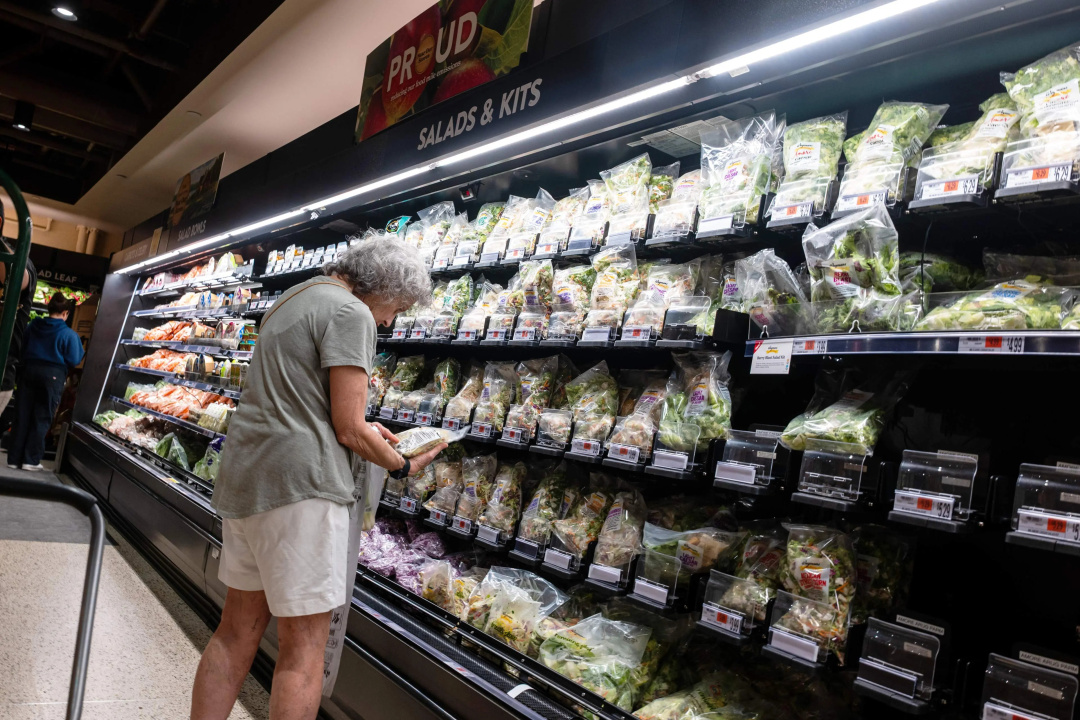
The public's perception of food safety has been significantly impacted by the cyclospora outbreak linked to lettuce, which resulted in nearly 20,000 confirmed cases of illness from May to August, a stark increase from previous years. Teresa Murray, a consumer watchdog director at the U.S. Public Interest Research Group, noted that the scale of this outbreak has made food safety feel more immediate and real to the public.
Despite the number of food recalls in 2026 being comparable to previous years, the overall trend shows an increase in recalls over a longer timeframe. Data indicates that there were approximately 200 food recalls this year, consistent with last year's figures, but the broader trend reveals a 21% increase in recalls from 2021 to 2025. This increase has been driven largely by Class I recalls, which pose serious health risks.
Polls reveal that a significant portion of registered voters lack confidence in government food safety oversight, with a July survey indicating that Democrats are more likely than Republicans to express skepticism about current protections. Concerns about the frequency of food recalls are prevalent, with 94% of U.S. adults expressing worry over this issue.
The perception of food safety has deteriorated, with only about 30% of consumers strongly agreeing that the U.S. food system produces safe food, down from 40% the previous November. This decline in confidence has provided Democrats with an opportunity to criticize the Trump administration's budget cuts to food safety programs, with notable figures like Senator Elizabeth Warren and Representative Gabe Amo publicly calling for increased funding and resources for food safety oversight.
While the number of recalls may not have drastically increased this year, the public's heightened awareness of foodborne illness has led to changes in consumer behavior, with many altering their grocery and restaurant choices due to safety concerns. This shift highlights the critical intersection of food safety and public health in the political arena, as voters prioritize safe food options amidst ongoing discussions about government accountability and public health funding.
Food safety experts continue to advocate for stronger preventative measures and increased resources to address foodborne illnesses effectively. The ongoing political discourse surrounding food safety underscores the importance of maintaining robust food safety regulations and oversight to protect public health. As the elections approach, the focus on food safety is likely to remain a pivotal issue for voters, reflecting broader concerns about health and safety in the food supply chain.