MIT Engineers Enhance RNA Vaccine Stability for Broader Distribution
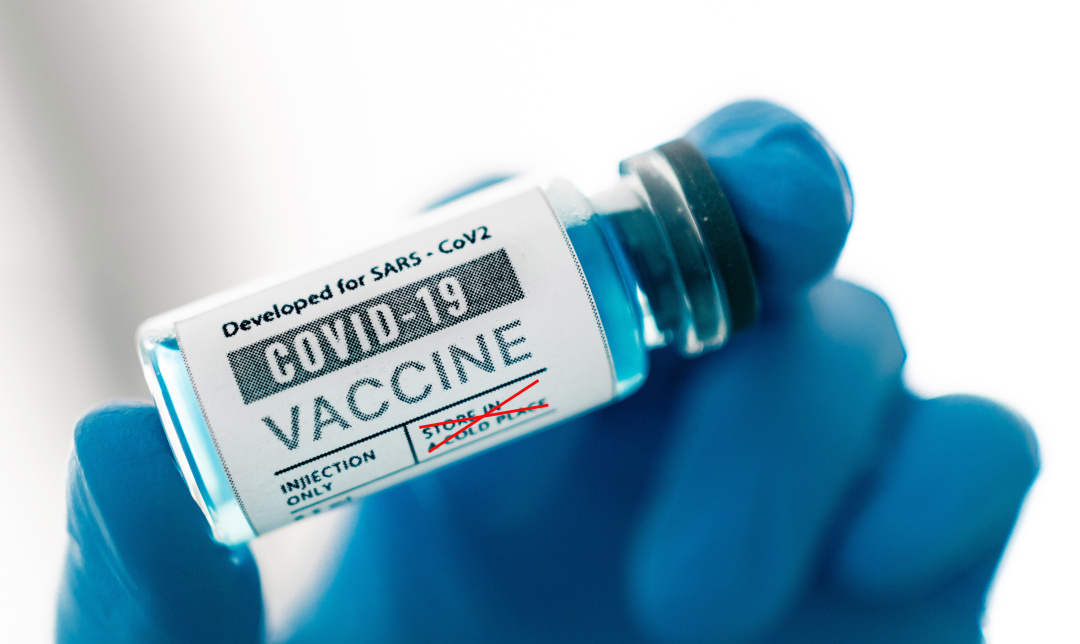
RNA vaccines, known for their effectiveness against Covid-19, are now being explored for various diseases, including cancer. However, a significant limitation of these vaccines is their requirement for ultracold storage. Researchers at MIT have made strides in overcoming this challenge by developing a new formulation for the lipid nanoparticles (LNPs) that deliver mRNA vaccines, enhancing their heat resistance. This innovative approach could enable vaccines to remain stable at room temperature for up to a year and at nearly 100 degrees Fahrenheit for two months.
The research team, led by principal investigator Ana Jaklenec from MIT's Koch Institute for Integrative Cancer Research, utilized an AI algorithm to refine the formulation surrounding the lipid nanoparticles. This method allowed for a reduction in the number of experiments needed, expediting the development process significantly. "The real beauty of this algorithm is that we can use it with small data sets," Jaklenec explained, emphasizing the efficiency gained in achieving desired stability features.
In their experiments, the researchers administered Covid-19 vaccines carried by these optimized particles to mice, resulting in immune responses comparable to those generated by a vaccine similar to Moderna's. The AI algorithm played a crucial role in predicting optimal formulations, which helped the team navigate the complexities of stabilizing RNA, a molecule known for its fragility.
Previously, RNA vaccines required storage at temperatures between -20 and -80 degrees Celsius, complicating distribution, especially in areas without adequate cold-storage facilities. The ability to create heat-tolerant vaccines could not only broaden their distribution but also pave the way for innovative delivery methods, such as microneedle patches. These patches, which dissolve upon application to the skin, could provide a new avenue for vaccine administration.
To achieve this stability, the researchers experimented with various excipients—substances added to LNPs to enhance their properties. Although they had previously developed polymer-stabilized LNPs that could withstand higher temperatures, these were not identical to the FDA-approved formulations used in existing vaccines. In their latest study, the team aimed to enhance the stability of these approved formulations.
Initially, the researchers encountered difficulties when reusing excipients that had previously worked well for stabilization. To overcome this, they turned to a machine-learning approach in collaboration with MIT's Computer Science and Artificial Intelligence Lab (CSAIL). This algorithm enabled them to make predictions based on limited datasets, significantly accelerating the identification of stable formulations.
The researchers analyzed nearly 50 FDA-approved excipients, measuring their effectiveness in stabilizing RNA within LNPs. By packaging mRNA encoding a bioluminescent protein into the LNPs, they could quantify how well each excipient protected the RNA. After identifying the most promising candidates, the AI algorithm predicted the optimal ratios for these excipients, allowing for rapid testing and refinement of formulations.
The result was a formulation that maintained stability under heat, tested by packaging Covid-19 mRNA antigens and storing them at 37 degrees Celsius for two months or at room temperature for a year. Mice vaccinated with these particles exhibited immune responses equivalent to those receiving vaccines using the original Moderna formulation.
Additionally, the researchers successfully created solid microneedle patches using their heat-resistant formulation, generating immune responses similar to those of injectable RNA vaccines. This research not only enhances the application of mRNA vaccines but also opens doors for new therapeutic delivery systems that require stability at higher temperatures.
The study, which was partially funded by the Gates Foundation, demonstrates the potential for AI to streamline vaccine development processes, allowing for quicker advancements in vaccine technology and distribution capabilities. The researchers also confirmed that their algorithm could stabilize other LNP formulations, including those used by Pfizer, further broadening the scope of its application in vaccine delivery.