Food Safety Concerns Surge Amid Major Outbreaks and Political Tensions
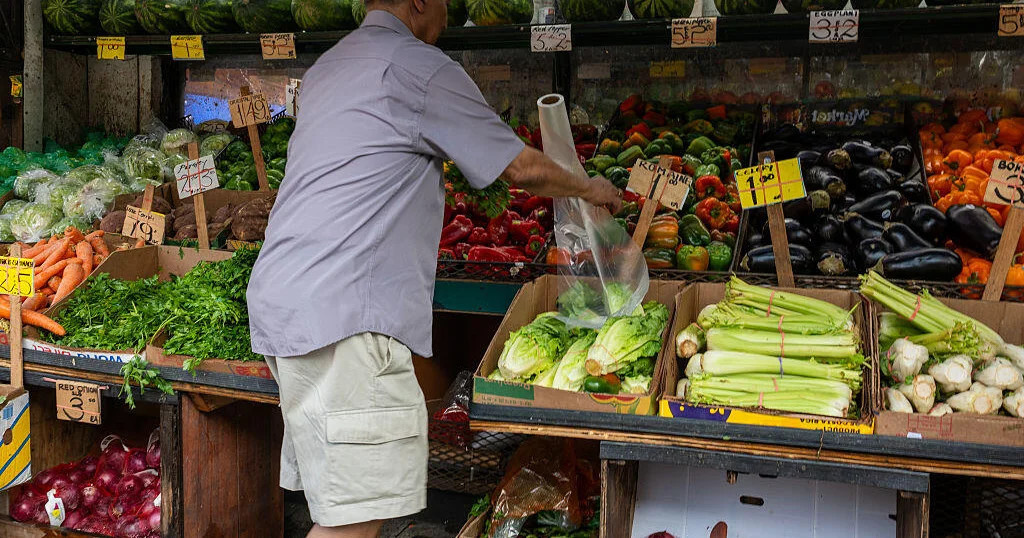
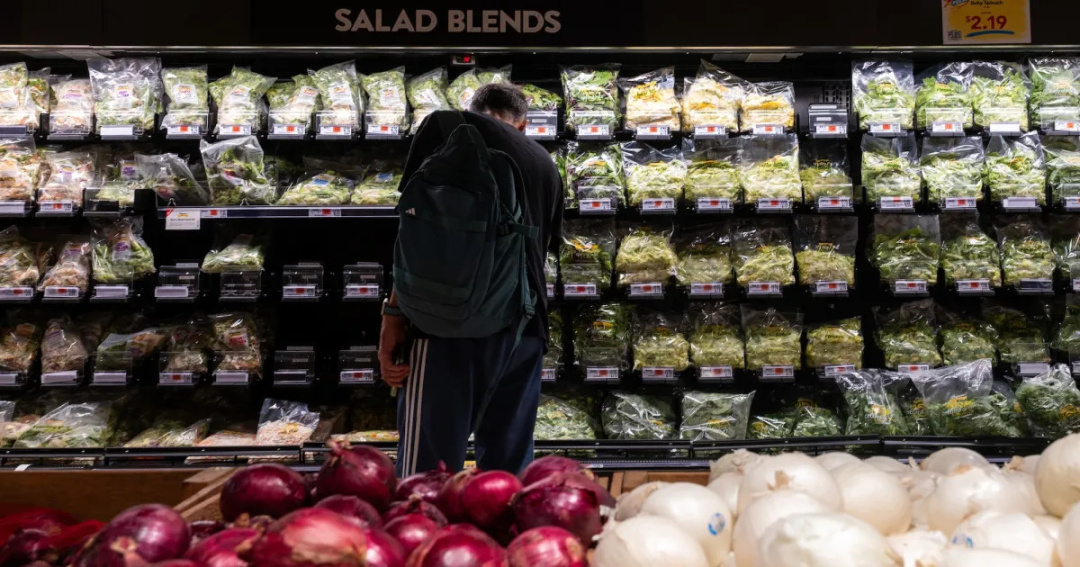
As the midterm elections draw near, food safety has emerged as a significant concern among voters, fueled by a series of foodborne illness outbreaks and recalls. This summer, a notable outbreak linked to cyclospora in lettuce resulted in almost 20,000 laboratory-confirmed cases of illness from May to August, marking it as the largest recorded outbreak of this parasite in recent history. The Centers for Disease Control and Prevention (CDC) reported that this figure starkly contrasts with just 1,180 cases during the same period in 2025, underscoring the severity of the current situation.
The political landscape has shifted as Democrats leverage these health concerns, suggesting that voters should hold Republicans accountable for perceived failures in food safety oversight. The Trump administration has countered these claims, accusing Democrats of using food safety as a political tool. The ongoing dialogue reflects a broader public anxiety about food safety, particularly as high-profile restaurant chains like Chipotle and Taco Bell have removed certain ingredients from their menus in response to these outbreaks.
Data indicates that approximately 200 food recalls have occurred thus far in 2026, consistent with the previous year. However, the public's confidence in government oversight of food safety remains low, with a July survey from Quinnipiac University revealing that many registered voters have little faith in the protections in place. Concerns are further amplified by a GS1 US poll, which found that 94% of U.S. adults are worried about the frequency of food recalls.
The perception of food safety has been notably affected by the combination of high-profile outbreaks and the sheer number of illnesses reported. Teresa Murray, consumer watchdog director with the U.S. Public Interest Research Group (PIRG), emphasized that the scale of the current outbreaks makes the issue feel more tangible to the public. In contrast to the recalls, which have not significantly increased year-over-year, the total number of recalls has risen over a broader timeframe, with 320 reported in 2025, up from 296 in 2024.
Despite the political back-and-forth, the real concern lies in the number of people affected by foodborne illnesses. This summer's cyclospora outbreak impacted individuals across 21 states, highlighting the widespread nature of the issue. Although bacterial contamination trends show fewer people falling ill, the CDC estimates that 48 million Americans experience foodborne illness annually.
Political leaders have seized on these safety concerns, with Democrats criticizing budget cuts to food safety agencies under the Trump administration. For instance, Sen. Elizabeth Warren has publicly called for accountability regarding the administration's response to the outbreaks, while other representatives have echoed similar sentiments on social media.
The political narrative surrounding food safety is complicated by the fact that the FDA has reported that recalls for fiscal year 2026 are among the lowest in over a decade. However, some food safety experts question the accuracy of these claims, arguing that the data may be misleading due to the inclusion of non-food-related recalls.
As food safety continues to be a pivotal issue in the political arena, public health leaders stress the importance of adequate funding and resources for agencies responsible for monitoring and preventing foodborne illnesses. The current climate has led many consumers to alter their grocery shopping habits, with nearly half of respondents in a recent survey indicating they have changed their purchasing decisions due to food safety concerns. This shift underscores the critical intersection between food safety and consumer behavior, particularly as voters approach the polls.