Nuts and Seeds in Winter: Nutritional Benefits and Simple Recipes
As winter settles in across India, the culinary landscape begins to showcase an array of nuts and seeds, with almonds soaking overnight, sesame being transformed into laddoos, and flaxseed chutneys reappearing on dining tables. This seasonal shift is not merely a matter of tradition; these small yet powerful ingredients are rich in healthy fats, fiber, iron, calcium, and antioxidants, which can help the body navigate the colder months effectively. Their benefits range from stabilizing energy levels during shorter days to promoting heart health.
Almonds, for instance, are packed with vitamin E, magnesium, and healthy fats, all of which contribute to heart health and help maintain steady blood sugar levels. A simple recipe for energy bites involves blending soaked almonds with dates, a spoon of ghee, and a pinch of cardamom, then rolling the mixture into small balls and chilling them. Soaking almonds overnight enhances their digestibility and nutrient absorption, making them easier on the gut while providing lasting fullness throughout chilly afternoons.
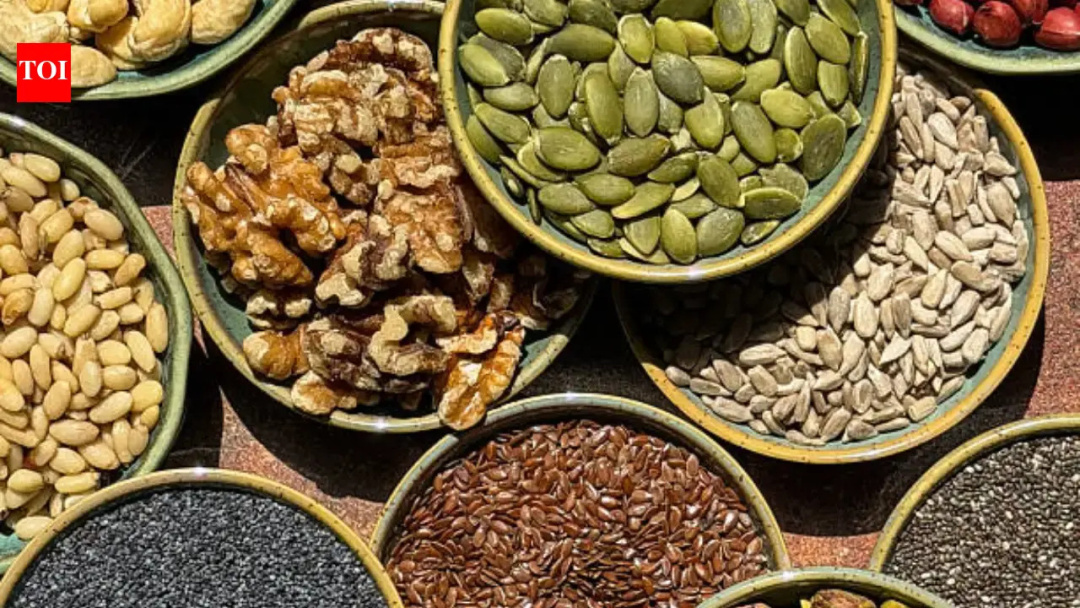
Walnuts are another excellent choice, abundant in omega-3 fatty acids, antioxidants, and vitamin B complex, making them particularly beneficial for heart and vascular health during winter months. A quick and easy recipe for walnut chikki involves melting jaggery until golden, stirring in roughly chopped walnuts, and spreading the mixture on a greased plate to set before breaking it into pieces. This delightful treat replaces refined sugar snacks with a healthier option that nourishes the body.
Sesame seeds stand out as one of the richest plant sources of calcium, even surpassing dairy products, and are also high in vitamin B1, vitamin E, and protein. The traditional til gud ladoo is prepared by dry-roasting sesame seeds until fragrant, mixing them with melted jaggery, and shaping the warm mixture into small balls. Consuming this combination in moderation throughout winter is believed to help maintain warmth while boosting calcium and iron levels.
Pumpkin seeds are recognized for their impressive nutritional profile, offering plant protein and antioxidants, as well as magnesium and zinc—nutrients that are often lacking in winter diets due to reduced fresh produce availability. A simple way to enjoy pumpkin seeds is to dry-roast them with a bit of black pepper and rock salt until they turn golden, then sprinkle them over salads, soups, or curd rice for added crunch and nutrition.
Flaxseeds are notable for being one of the best plant sources of ALA, an essential omega-3 fatty acid, and are rich in fiber and lignans that support healthy cholesterol levels. A flavorful chutney powder can be made by dry-roasting flaxseeds and peanuts separately, then grinding them together with dried red chili, garlic, and salt. Adding a spoonful of this chutney over rice, dosa, or roti can enhance everyday meals while supporting heart health during the colder months.
Nutritionists advise moderation when incorporating these calorie-dense nuts and seeds into the diet. A healthy daily intake is generally considered to be around 5-6 almonds, 2-3 walnuts, and a tablespoon or two of seeds like flax or pumpkin. Rotating between different varieties throughout the week can provide a broader spectrum of vitamins and minerals, ensuring a well-rounded winter diet.