Study Links Daily Strawberry Consumption to Reduced Menstrual Pain
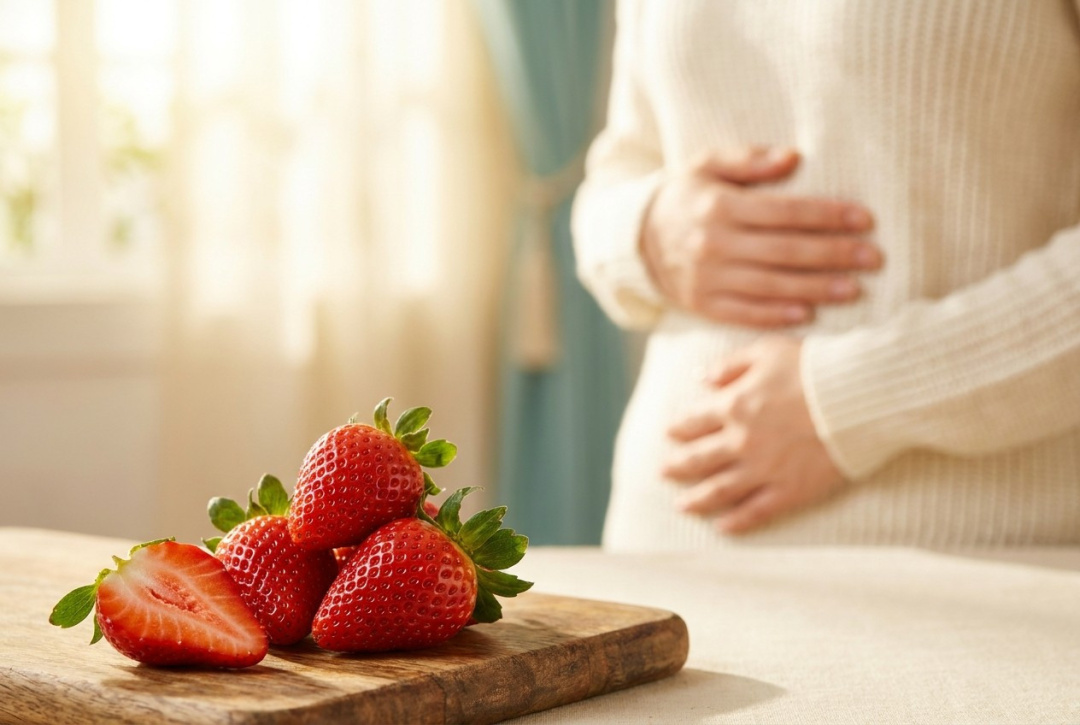
A small randomized trial conducted by researchers at the University of Huelva in Spain has found that women who added about 1½ cups of fresh strawberries to their daily diet for one month reported significantly less menstrual pain compared to a control group. Participants in the study rated their pain levels at the beginning of the trial, after one month, and again two months later. The researchers noted that the findings contribute to a growing body of evidence exploring how specific whole foods may impact inflammatory processes in the body.
The research team chose to focus on strawberries due to their rich content of polyphenols, particularly anthocyanins, which are known for their antioxidant and anti-inflammatory properties. Participants were divided into two groups: one group continued their usual diet while the other added 250 grams of fresh strawberries daily for one month. The researchers established a benchmark requiring at least a one-point reduction in pain scores for the strawberry group to be considered meaningful.
After one month, the results indicated that women consuming strawberries daily experienced a notable decrease in menstrual pain, meeting the researchers' threshold for a significant improvement. Interestingly, lower pain scores were still reported at the two-month follow-up, even after participants ceased strawberry consumption. However, the researchers cautioned that they could not definitively attribute the pain reduction to anti-inflammatory mechanisms, as the study did not measure inflammation or prostaglandin levels, which are compounds that contribute to menstrual pain.
The study's small sample size and unblinded design—meaning participants were aware of whether they were consuming strawberries—are important limitations. Additionally, the trial received partial funding from a Spanish strawberry producers' association, raising concerns about potential bias. The authors emphasized the need for larger, more rigorous studies to confirm these findings without the influence of funding sources.
While strawberries are not a proven treatment for menstrual pain, they can be part of a balanced anti-inflammatory diet. The researchers recommend that individuals continue to utilize traditional pain relief methods such as NSAIDs, heat therapy, and exercise, and to consult healthcare professionals for severe menstrual pain that disrupts daily activities. This study opens an interesting avenue for further exploration into the role of food in managing menstrual discomfort.